English
 中文简体
中文简体 русский
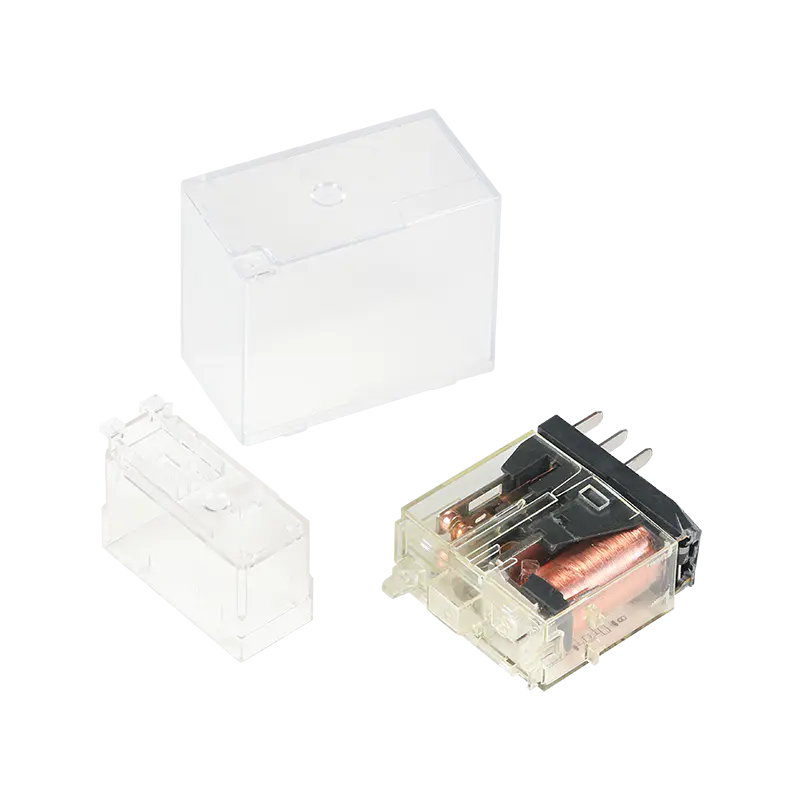
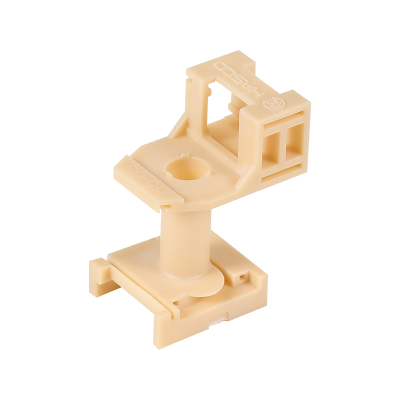
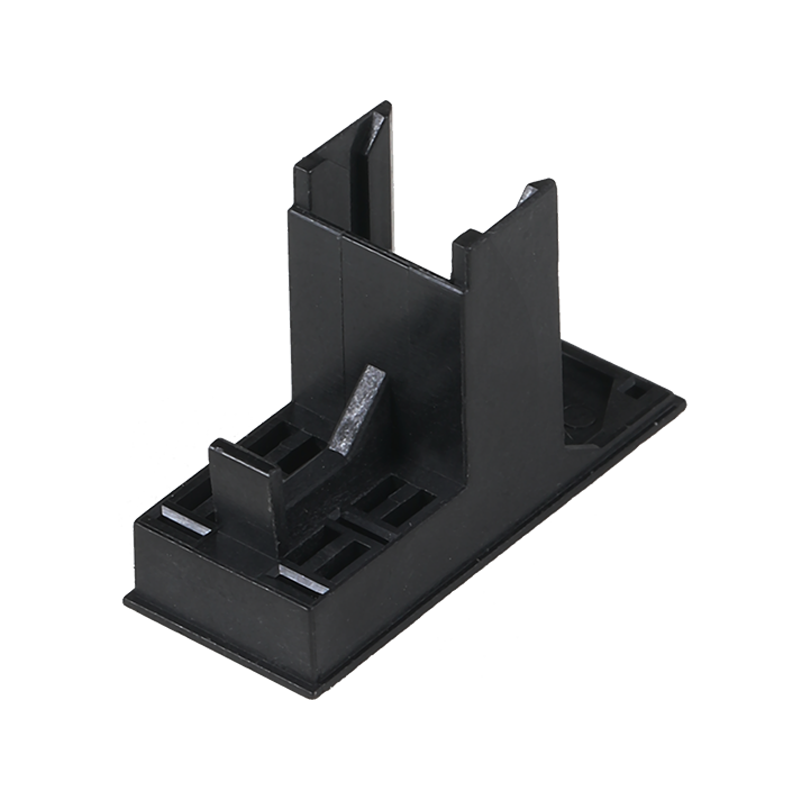
A open mold injection molding plastic pps project usually begins long before the injection machine starts running. For engineering plastic parts, the mold itself influences the final shape, surface condition, and dimensional accuracy of the finished component. This is especially important when working with PPS materials, where the relationship between material characteristics and mold design directly affects the molding result.
Unlike common plastic materials used for simple products, PPS is often selected for applications that require higher resistance to heat, chemicals, and demanding working environments. Because of these requirements, manufacturers need to consider the complete molding system rather than only the plastic material.
Mold Design Starts Before Production
An injection mold is not only a tool for forming plastic.
It controls how melted material enters the cavity.
It affects cooling conditions.
It determines the final geometry of the part.
For open mold injection molding plastic pps, engineers usually review the part structure before mold production begins.
Wall thickness.
Flow direction.
Gate position.
Cooling arrangement.
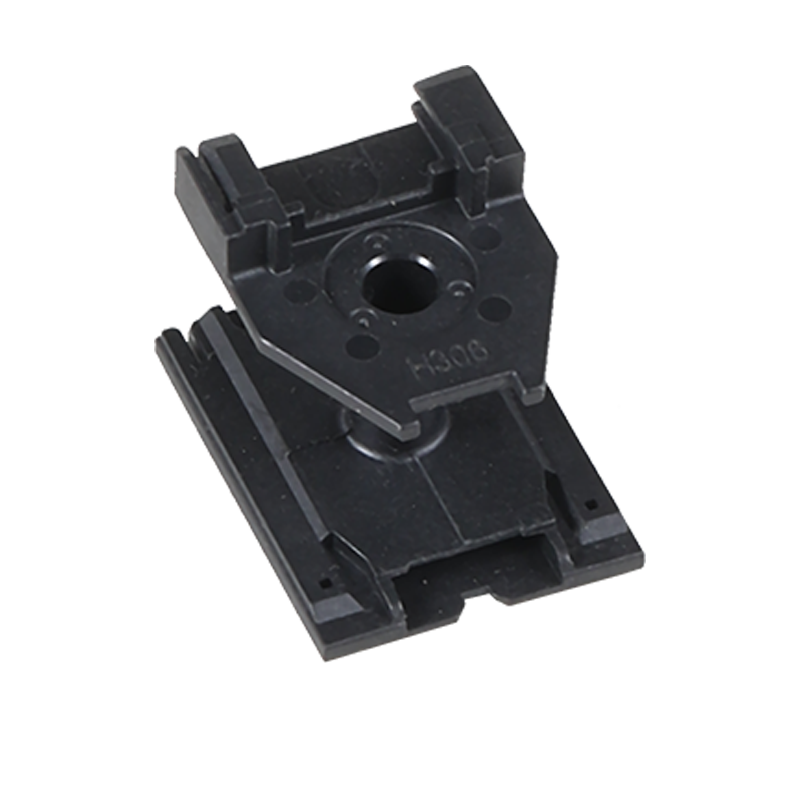
These factors influence how the material fills the mold and how the finished part develops after cooling.
A suitable mold design helps the material move more naturally during forming instead of forcing the process to rely on later adjustments.
PPS Material Requires Careful Processing
PPS has different processing characteristics compared with ordinary plastics.
During injection molding, the material needs suitable temperature control and preparation before forming. Improper conditions may affect the appearance or dimensions of molded parts.
For this reason, manufacturers pay attention to the relationship between resin condition and molding parameters.
The same mold may produce different results if material preparation or machine settings change.
This makes experience with PPS processing an important part of production.
Mold Accuracy Influences Final Parts
Small plastic components often contain detailed structures.
Connection points.
Mounting areas.
Thin sections.
Precision surfaces.
During production of open mold injection molding plastic pps, these areas depend heavily on mold accuracy.
A small difference in cavity dimensions can influence how the final part fits with other components.
This is particularly important for industries where molded plastic parts need to match existing assemblies.
The mold is created once, but its influence continues through every production cycle.
Production Experience Helps Reduce Adjustments
PPS injection molding involves many practical details that cannot be solved only through drawings.
Engineers observe how the material flows.
They review the first molded samples.
They adjust production conditions when necessary.
mold structure reviewed
sample dimensions checked
surface condition observed
production parameters adjusted
These steps help teams understand how the material behaves during actual molding instead of depending only on theoretical data.
Applications Push Material Development Forward
The demand for engineering plastics continues to grow because many industries are looking for alternatives to traditional metal components.
PPS-based molded parts are used in areas where heat resistance, chemical resistance, and dimensional stability are important considerations.
As product structures become more complex, injection molding suppliers need to improve not only equipment capability but also mold design experience.
Precision Comes From The Entire System
The result of open mold injection molding plastic pps is influenced by several connected elements.
The material choice.
The mold structure.
The processing conditions.
The production experience.
A finished PPS component may look simple after molding, but achieving that result requires coordination between design and manufacturing stages.
For injection molding suppliers, understanding the relationship between PPS material and mold development is the foundation for producing parts that meet the requirements of modern engineering applications.