English
 中文简体
中文简体 русский
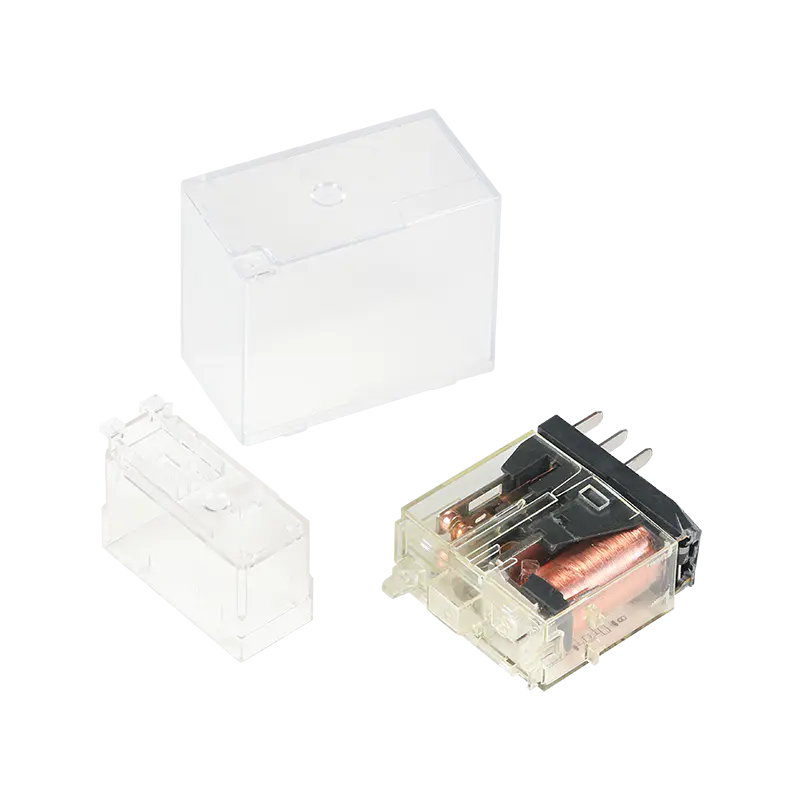
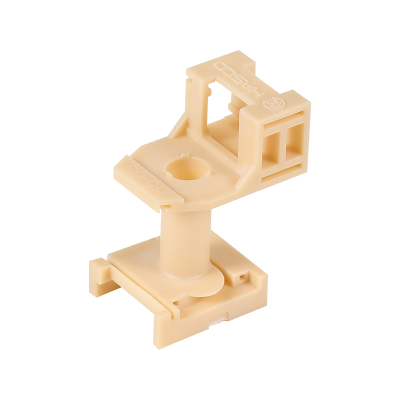
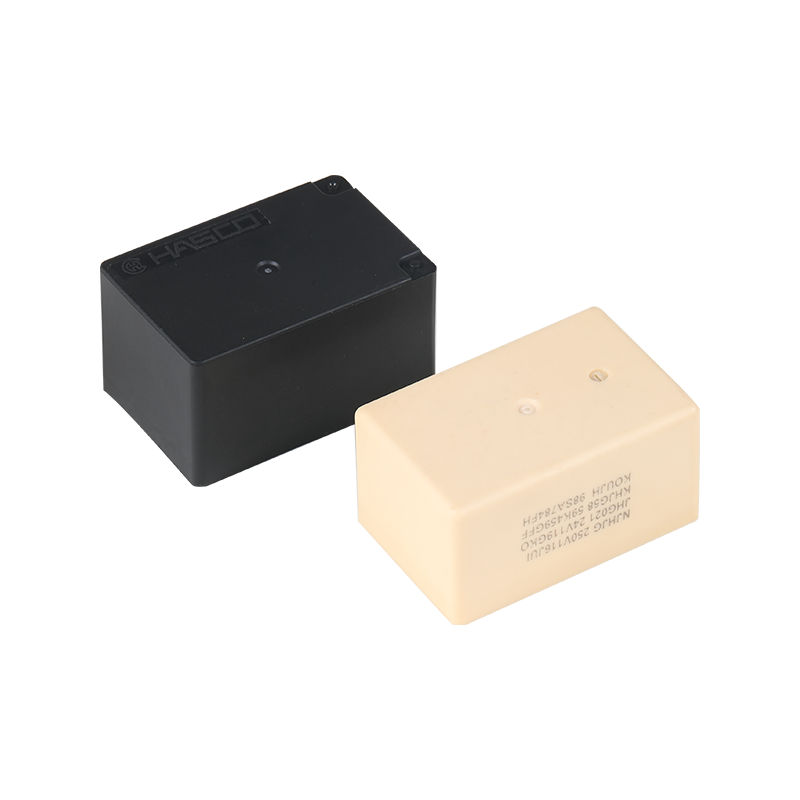
Electronic board connectors installed in equipment that runs on a factory floor or inside a moving vehicle face a kind of stress most component datasheets barely mention: constant low-level vibration that gradually loosens a connection long before anyone notices a problem. A control panel that intermittently loses signal, or a sensor reading that drifts for no obvious reason, often traces back to a connector interface that was never evaluated for mechanical stability under sustained movement.
Why Vibration Resistance Gets Overlooked
Specification sheets tend to highlight pin count, current rating, and pitch spacing, while mechanical retention under vibration gets far less attention despite being a common cause of field failures. Electronic board connectors used in industrial automation, automotive control modules, or transportation equipment experience continuous micro-movement that standard connectors, designed mainly for static desktop environments, were never built to handle. Over time, this movement can loosen contact pressure at the pin interface even when the housing itself remains physically intact.
The result is usually intermittent rather than immediate failure, which makes it harder to diagnose during routine testing since the connection may test fine on a bench but fail once installed in its actual operating environment.
Mechanical Features That Improve Stability
|
Design Feature |
Function |
Typical Application |
|
Positive locking latch |
Prevents housing separation under shock |
Automotive and industrial control units |
|
Reinforced contact spring |
Maintains pressure despite micro-movement |
High-vibration machinery |
|
Polarized housing |
Prevents incorrect mating orientation |
Assembly lines with manual insertion |
|
Strain relief at wire entry |
Reduces stress transfer to the contact point |
Wire-to-board applications |
|
Rigid mounting posts |
Anchors connector body to the PCB |
Board-to-board interfaces |
Selecting electronic board connectors with these mechanical features built in reduces the likelihood of a connection loosening gradually over months of continuous operation, which matters considerably more for equipment that runs unattended.
Board-To-Board Versus Wire-To-Board Configurations
Component layout affects how much vibration stress a connector interface actually experiences. Board-to-board connectors mount rigidly between two PCBs, which limits relative movement between the mating halves but transfers any board flex directly into the connector body. Wire-to-board designs behave differently, since the flexible cable can absorb some vibration before it reaches the contact point, provided the strain relief at the wire entry is adequate.
Neither configuration is inherently more resistant to vibration; the right choice depends on how the surrounding assembly is mounted and whether the boards themselves are rigidly secured or subject to independent movement within the enclosure.
Material Selection And Long-Term Reliability
Housing material plays a meaningful role in how well a connector tolerates repeated mechanical stress over its service life. Reinforced nylon and glass-filled polymer housings resist the creep and deformation that lower-grade plastics develop under sustained load, which helps electronic board connectors maintain consistent contact pressure even after thousands of vibration cycles. Contact plating also matters here, since a worn or thin plating layer increases resistance at the interface faster once micro-movement begins wearing down the surface.
Manufacturers producing connectors for automotive or industrial markets typically validate these material choices against recognized vibration and shock testing standards before releasing a product line, rather than relying on plastic hardness figures alone.
Sourcing Considerations For OEM Projects
Companies specifying electronic board connectors for a new product design benefit from requesting vibration test data directly from the manufacturer rather than assuming compliance based on general industry reputation. Mold precision affects this more than buyers often realize, since a housing produced with inconsistent tolerances can seat unevenly on the PCB, creating uneven stress distribution across the contact points even before the equipment starts operating.
Suppliers offering OEM and ODM support for custom board-to-board connectors can usually adjust housing geometry, latch style, or contact spring tension to suit a specific vibration profile, which is particularly relevant for equipment operating in transportation, agricultural machinery, or heavy industrial settings where movement is constant rather than occasional.
Evaluating A Connector For A Specific Application
Matching connector choice to the actual mechanical environment, rather than defaulting to a general-purpose part, tends to prevent the kind of intermittent field failures that are expensive to diagnose after a product has already shipped. Reviewing the mounting method, expected vibration frequency, and housing material together, instead of treating each factor separately, gives a clearer picture of whether a given set of electronic board connectors will hold up reliably once installed in its intended equipment.