English
 中文简体
 русский



A solid-state relay does not rely on a moving contact to switch an electrical load. Instead, it uses semiconductor devices and electronic circuits to control the flow of current. This difference changes how the relay is constructed and how its internal parts work together. Solid State Relay Components form several functional sections, including signal input, control, electrical isolation, and output switching.
For relay manufacturers, producing these parts involves coordinating electrical functions with component dimensions, assembly arrangements, and heat dissipation requirements. Understanding the relationship between individual components helps explain how a complete relay operates.
The Input Section Starts With Signal Detection
Every switching operation begins with an input signal. In a solid-state relay, the input circuit receives a control signal from an external device and prepares it for the switching process.
Optocouplers and phototransistors are commonly used in this section. An optocoupler transfers a signal through light, allowing electrical isolation between the input and output sides. This arrangement helps prevent direct electrical interference between the control circuit and the load circuit.
The characteristics of the input section depend on the relay's control requirements. Input voltage, signal type, and isolation arrangement all influence component selection. When developing Solid State Relay Components, manufacturers need to consider how the input section connects with the rest of the circuit.

Control Components Coordinate Switching Actions
After receiving the input signal, the control circuit determines how the output section responds. Its electronic components regulate signal processing and switching behavior.
Depending on the circuit design, this section may contain logic gates, diodes, capacitors, and other electronic elements. Each part has a different role. Diodes control current direction, while capacitors can support filtering and timing functions. Logic devices process signals according to the required switching arrangement.
The layout of these parts also matters. Their electrical connections and physical positions need to correspond with the circuit design. For manufacturers, assembling Solid State Relay Components requires attention to both component placement and connection accuracy.
Semiconductor Devices Perform the Output Switching
The output circuit handles the actual connection and disconnection of the electrical load. Unlike mechanical relays, solid-state designs use semiconductor devices to perform this operation.
Common switching elements include thyristors, triacs, and MOSFETs. Their selection depends on the relay's electrical design and intended load.
Triacs and thyristors are commonly found in AC switching arrangements, while MOSFETs are frequently used in DC switching applications. Different semiconductor structures have different operating characteristics, so they cannot simply be substituted for one another.
This makes the output section an important part of Solid State Relay Components selection and development. Voltage, current, load type, and switching behavior all need to match the intended application.
Heat Management Influences Component Arrangement
Semiconductor switching generates heat during operation. The amount depends on factors such as load current, device characteristics, and operating conditions.
For this reason, thermal management needs to be considered when arranging internal components. Heat sinks, cooling fans, and suitable installation layouts may be used depending on the relay structure and application.
Component spacing and contact between heat-generating parts and heat-dissipating structures also influence the overall assembly. These details are relevant during product development because electrical performance and physical construction need to work together.
When manufacturing Solid State Relay Components, attention to thermal requirements helps ensure that individual parts correspond with the intended relay design.
Manufacturing Requires Coordination Between Individual Parts
A relay contains several components that must fit into a coordinated electrical and mechanical arrangement. Component dimensions, terminal positions, insulation structures, and assembly interfaces all affect the finished product.
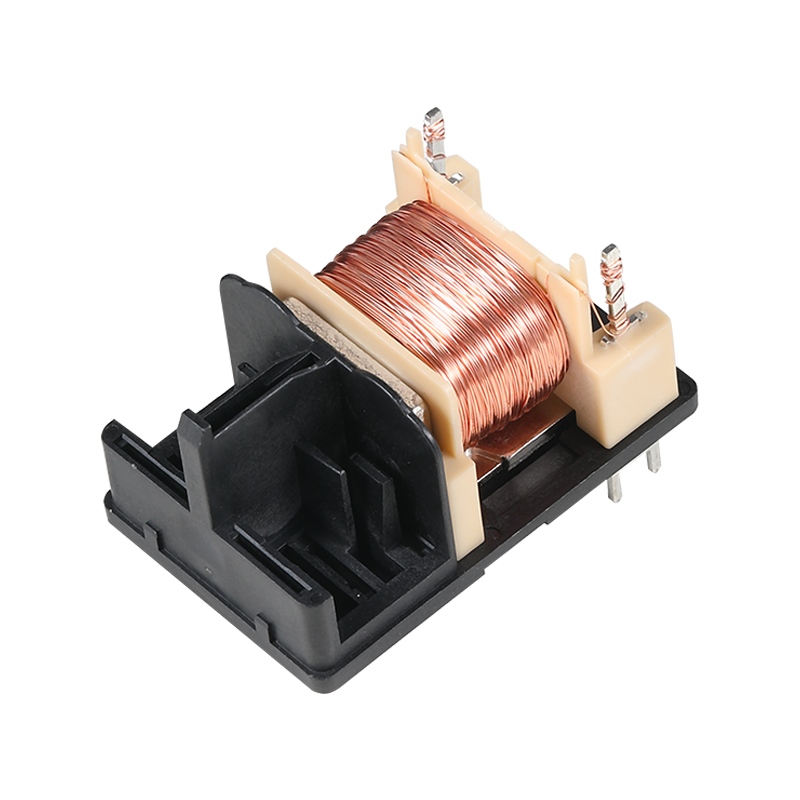
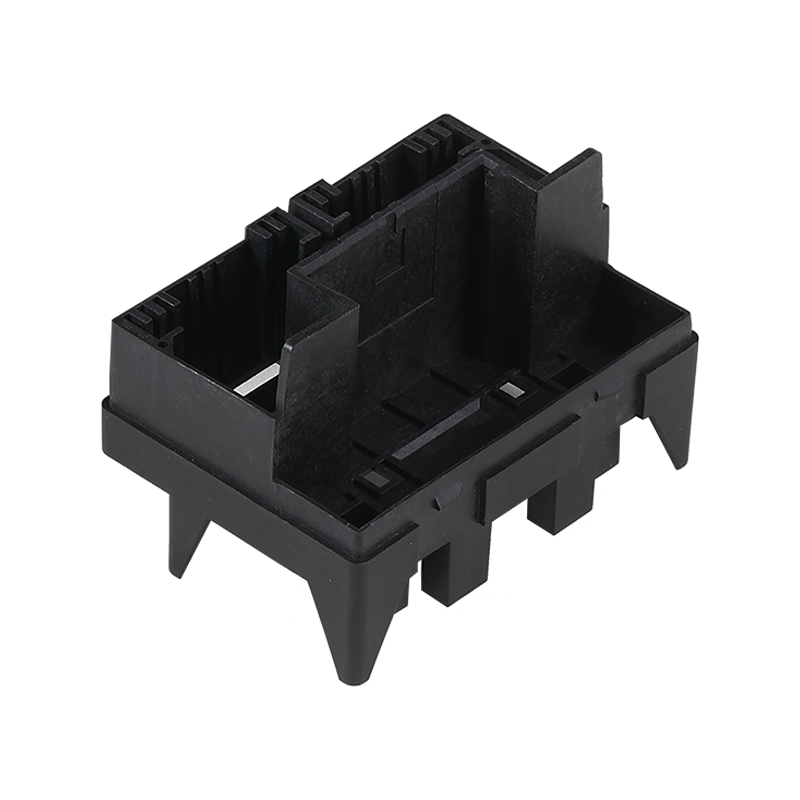
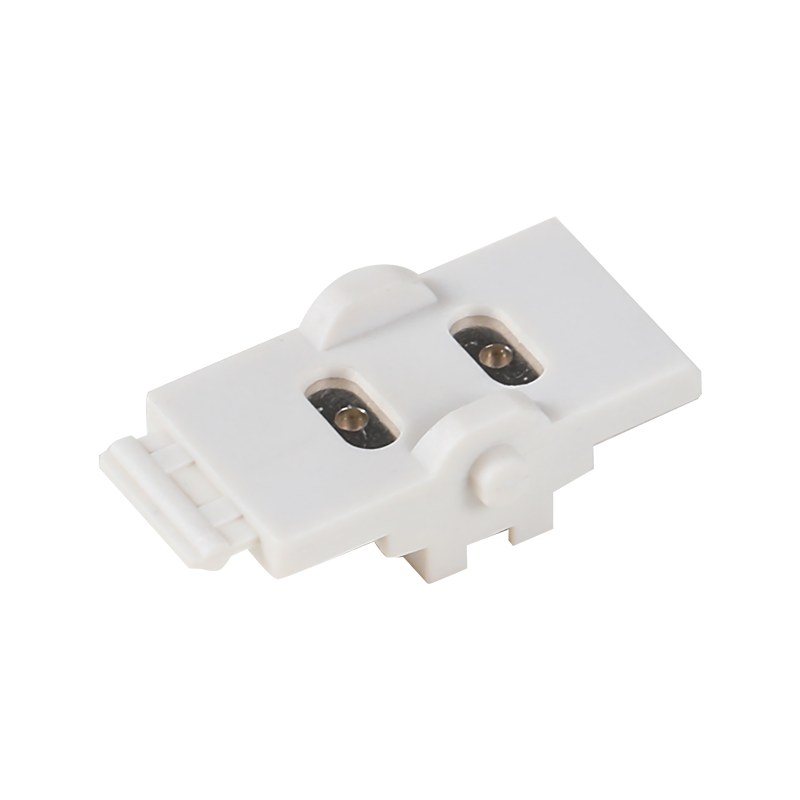
At Zhejiang Huateng Electronic Co., Ltd., relay component manufacturing covers product categories such as general-purpose relay components, magnetic latching relay components, and new energy relay components. The factory's work with relay structures and component assemblies provides a manufacturing context for understanding the precision required in relay production.
For customized component projects, technical drawings and samples help clarify dimensions, connection positions, and assembly requirements. These details provide a basis for coordinating component processing with the intended relay structure.
What Should Buyers Consider When Sourcing Relay Components?
Purchasers should first identify the relay type and its electrical configuration. AC and DC applications may require different semiconductor switching arrangements, while input signal requirements and load characteristics influence the internal circuit.
It is also necessary to confirm component dimensions, connection interfaces, insulation requirements, and thermal considerations before production.
The performance of a complete relay depends on how its individual sections operate together. Solid State Relay Components therefore need to be evaluated as parts of an integrated electrical assembly rather than as unrelated electronic items.
From signal detection to output switching, each section contributes to the relay's operation. Coordinating component selection, processing, and assembly is an important part of relay manufacturing.