English
 中文简体
 русский



An electrical connection rarely depends on a single part. A plug needs a matching base, a cable may require a housing, and a control device can need a connector structure that also accommodates a switch. These differences explain why Connector Components are produced in many forms rather than around one universal design.
For electronics manufacturers, the choice of component starts with the connection point itself. The shape, installation method, cable arrangement, and surrounding space all influence which component structure is suitable.
Different Connections Call for Different Parts
A power plug connection and a cable connection may perform a similar electrical task, but their mechanical arrangements can be quite different. One may require a plug housing, while another needs a base that remains fixed inside equipment.
Connector blocks provide another arrangement by bringing several connection points into a defined structure. Enclosures can surround and support the connection area, while push-button switch parts combine connection functions with a control interface.
This variety is visible across Connector Components used in household appliances, industrial equipment, automotive systems, and other electronic products. The component is selected according to the way the finished assembly needs to be connected.
The Housing Does More Than Hold a Terminal
When looking at a connector from the outside, the plastic housing may appear to be a simple shell. In production, however, its dimensions determine where terminals, wires, plugs, or other mating parts are positioned.
A housing needs to provide the required openings while keeping the internal parts in their intended locations. Its shape also affects how the finished connector is installed into another product.
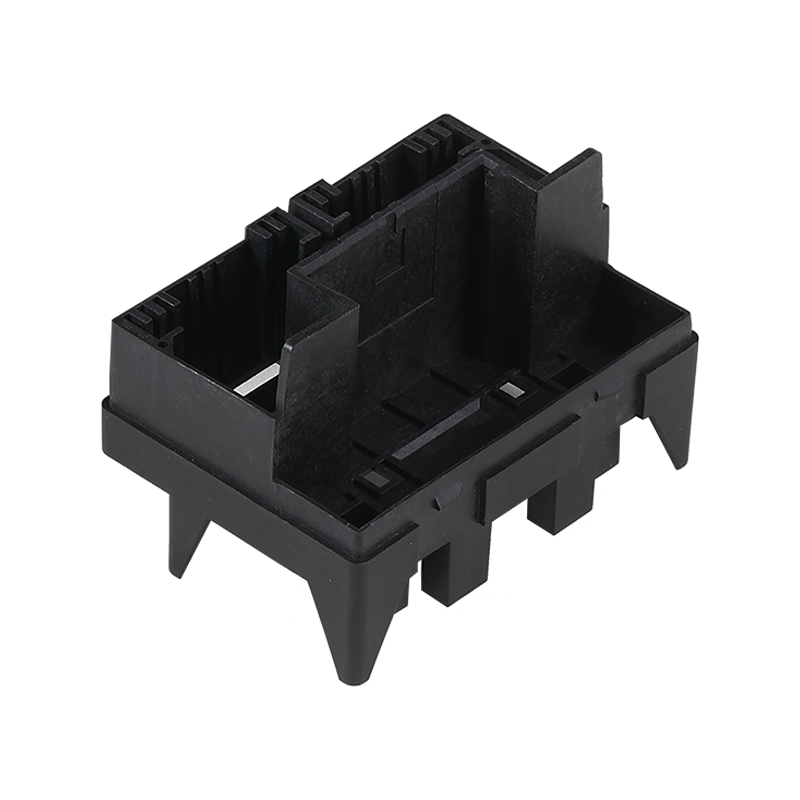
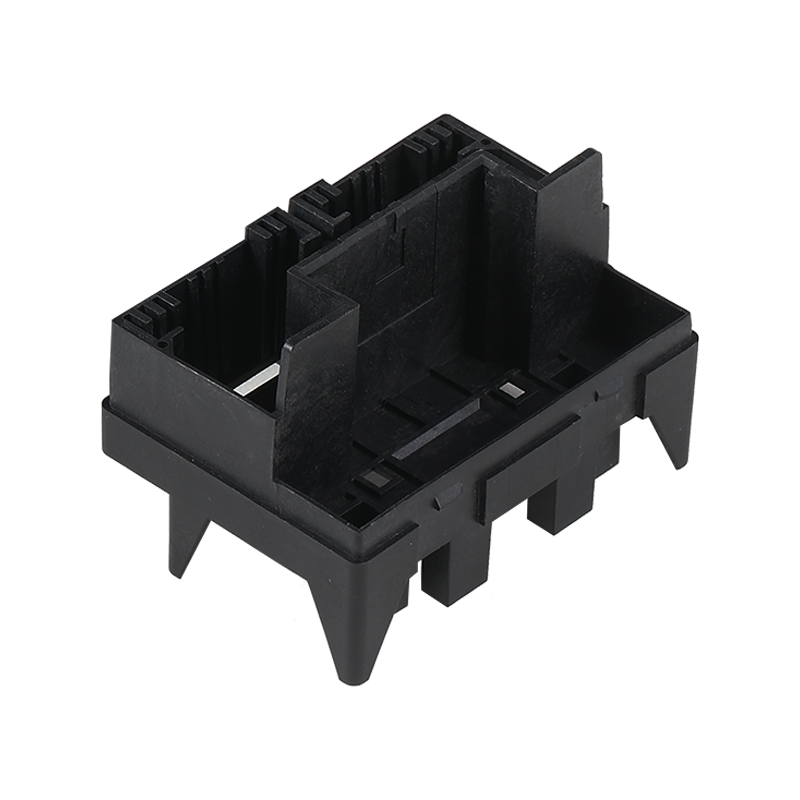
For example, a cable plug base has a different role from a power connector enclosure. The two parts may both use molded plastic, but their cavity arrangements and external structures are developed around different assembly requirements.
That is why Connector Components cannot be evaluated only by appearance. Their internal dimensions and interfaces need to correspond with the parts they will work with.
Injection Molding Shapes Component Accuracy
Many connector housings and structural parts are produced through plastic injection molding. The mold determines the basic geometry of the finished component, including openings, ribs, cavities, fixing points, and mating surfaces.
Small changes in these areas can affect assembly. A cavity that is too narrow may interfere with a terminal, while an opening that does not match the mating part can make installation difficult.
At Zhejiang Huateng Electronic Co., Ltd., connector component production is closely connected with injection molding and precision mold processing. The factory's product range includes plastic connector components, cable plug bases, power connector enclosures, connector blocks, and new-energy connector components.
For manufacturers, this combination allows mold structure and component requirements to be considered together rather than treated as separate production steps.
Matching Components to Equipment Layout
The installation environment also affects component selection. A connector mounted inside a compact electrical enclosure may need a different shape from one installed on an exposed panel or attached to a cable assembly.
Available space determines the external dimensions, while the direction of cable entry can influence the position of openings and connection points. Mounting structures may also need to correspond with screws, clips, panels, or other parts of the finished equipment.
This is particularly relevant when developing Connector Components for customized equipment. A standard component may provide the required connection function, but a modified structure may be needed when the surrounding assembly has a different layout.
Why Component Families Help With Product Development
A product manufacturer may require several related connector parts for one equipment series. A plug, base, enclosure, and block can share certain dimensional or structural features while serving different positions within the assembly.
Developing related components as a family can simplify communication between the product designer and component manufacturer. Drawings can define the common dimensions while identifying the differences between individual parts.
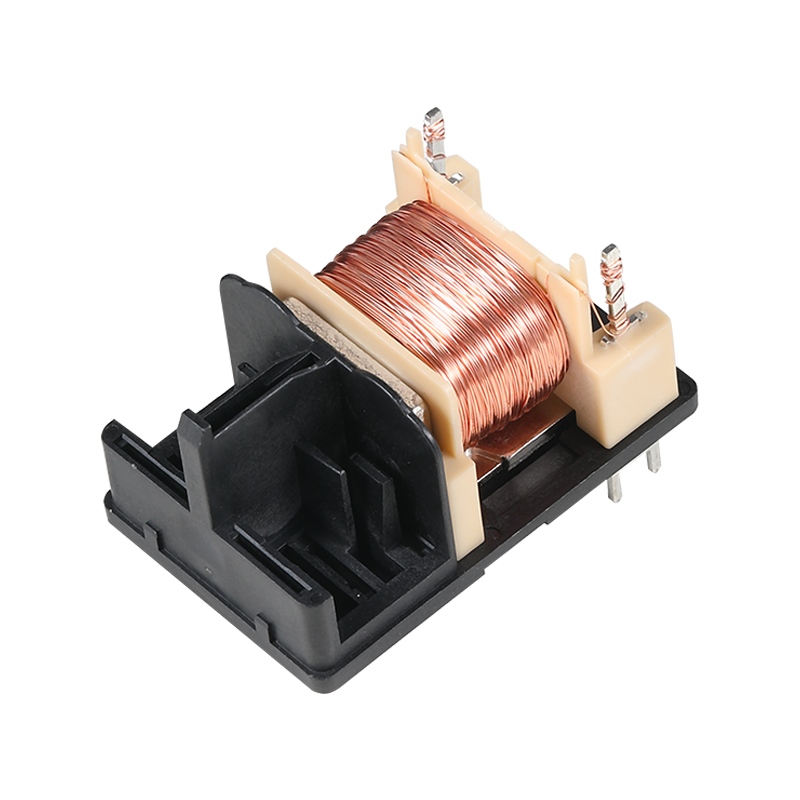
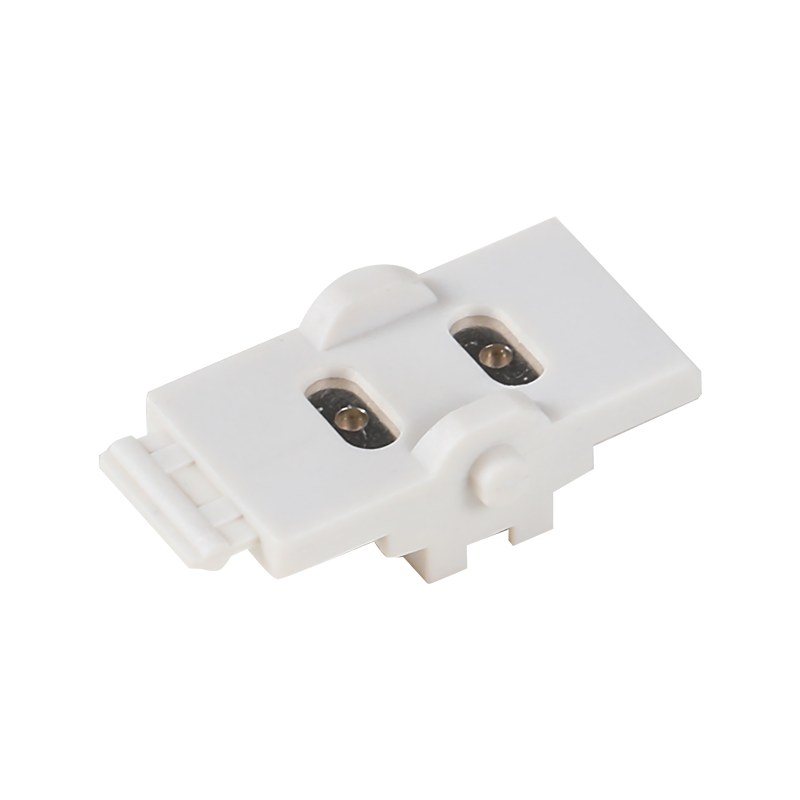
HTN Relay's connector component range includes HJ013 universal power plug components, HJ043 plastic connector components, JXC-8P electrical connector components, SJ018 cable plug connector bases, SJ064 power connector enclosures, plastic plug-in connector components, and custom connector block parts.
Such a product structure gives manufacturers different component formats for different electrical connection arrangements.
What Should Buyers Confirm Before Production?
Before ordering Connector Components, buyers should clarify the connection type, installation position, mating structure, required dimensions, and material requirements. Drawings or samples can help manufacturers understand the relationship between the component and the equipment where it will be installed.
For injection-molded parts, mold requirements should also be considered at an early stage. The cavity layout, fixing structures, openings, and mating surfaces all need to reflect the finished component.
The practical value of Connector Components comes from how accurately they fit into the larger electrical assembly. Different connection points create different mechanical requirements, so component selection and mold development need to follow the actual structure of the finished equipment.
For this reason, Connector Components remain an important part of electrical product manufacturing, linking individual wires, plugs, terminals, switches, and housings into workable connection systems.