English
 中文简体
中文简体 русский

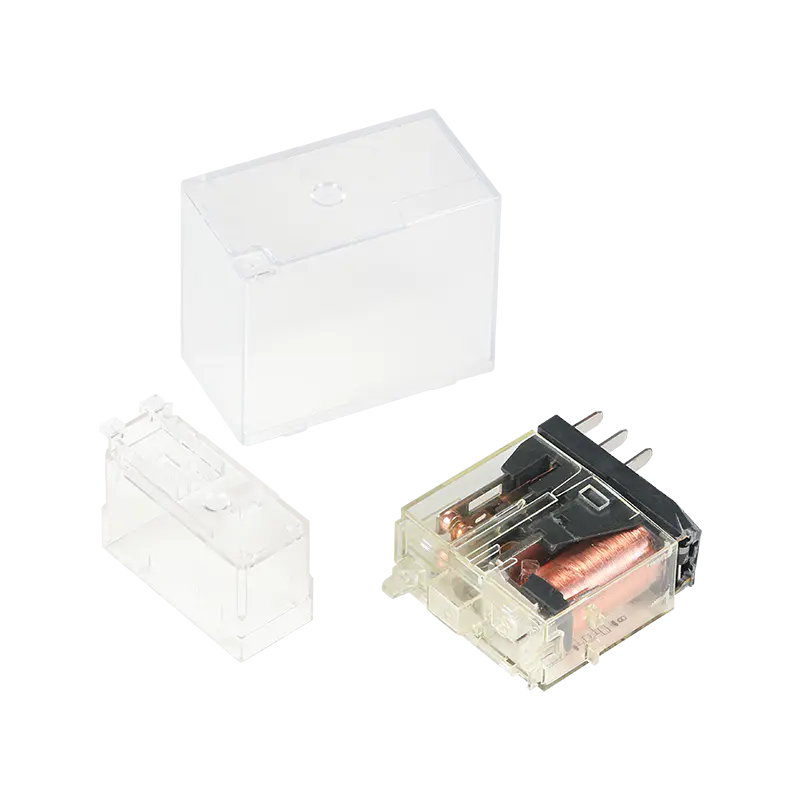
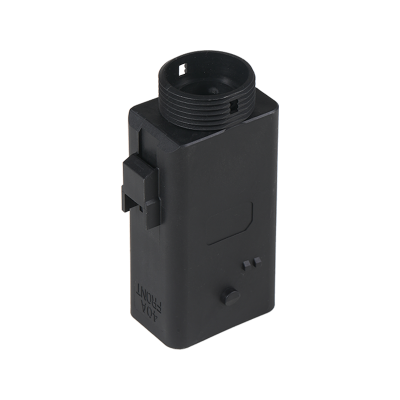
Vehicle Design Brings New Requirements To Plastic Components
Automotive parts are no longer designed only around basic function. Weight, assembly space, appearance, and production efficiency have become important considerations when developing new vehicle components.
Inside modern vehicles, many plastic parts are used in areas such as interior structures, electrical housings, clips, covers, and supporting components. These parts need to match the vehicle design while maintaining stable performance during long-term use.
For suppliers producing Plastic Injection Molding Automotive Parts, the development process often starts before production. Engineers review part structures, material choices, and mold requirements together to avoid problems during later manufacturing stages.
The relationship between product design and injection molding has become closer because even small changes in shape may influence tooling, production cycle, and final assembly.
Material Selection Changes Part Performance
Plastic materials used in automotive applications are selected according to where the component will be installed.
A decorative interior component may require a different material compared with a part located near heat sources or areas exposed to mechanical stress.
|
Application Area |
Common Consideration |
Production Focus |
|
Interior panels |
Surface appearance and fitting accuracy |
Smooth finish and dimensional control |
|
Electrical housings |
Protection and stability |
Precise molding and assembly fit |
|
Engine-related areas |
Heat and chemical resistance |
Suitable material selection |
|
Clips and brackets |
Strength and repeated use |
Structural reliability |
For Plastic Injection Molding Automotive Parts, material selection affects more than product strength. It also influences mold design, processing settings, and quality inspection during production.
Suppliers usually confirm material requirements before tooling begins because changing materials after mold completion may create additional adjustments.
Mold Design Influences Manufacturing Results
The mold is one of the important parts of automotive plastic production. A well-prepared mold helps maintain consistent dimensions during repeated manufacturing cycles.
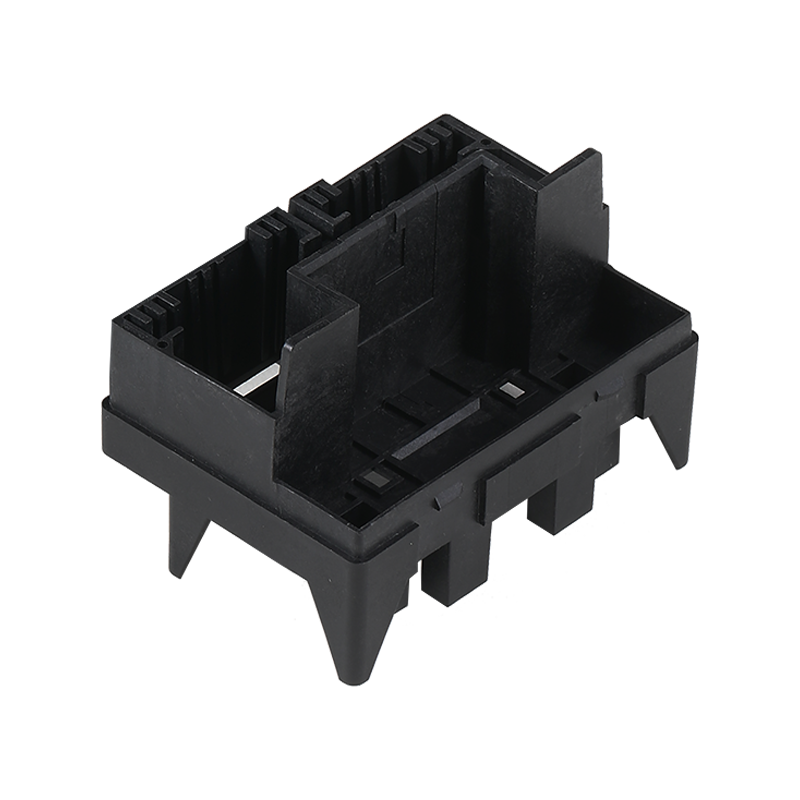
During development of Plastic Injection Molding Automotive Parts, engineers review factors such as part thickness, cooling structure, and ejection methods.
Complex automotive components may include clips, mounting points, or detailed surfaces that require careful mold planning.
Production teams also monitor issues such as deformation, surface marks, and dimensional changes because automotive assembly often requires accurate fitting between multiple components.
Quality Control Extends Beyond Appearance
For automotive buyers, a plastic component needs to match both visual and functional requirements.
A part with a good surface finish may still create assembly problems if dimensions are inconsistent. Because of this, inspection procedures often include size checking, appearance review, and production monitoring.
For bulk orders of Plastic Injection Molding Automotive Parts, consistency between the first sample and later production batches becomes an important evaluation point.
Automotive suppliers usually review samples before mass production to confirm that the molded parts match the original design requirements.
Production Flexibility Supports Different Automotive Projects
Automotive projects often involve different part sizes, materials, and production quantities. Some customers need thousands of identical components, while others require customized parts for specific vehicle programs.
A supplier handling Plastic Injection Molding Automotive Parts needs to coordinate tooling, material preparation, molding processes, and inspection schedules according to each project.
The ability to manage different requirements is important because automotive components are closely connected with the final vehicle assembly process.
From material selection to mold planning, plastic injection molding continues to influence how automotive parts are designed and produced. The focus is not only on creating plastic components but also on achieving reliable performance, accurate fitting, and consistent manufacturing results.