English
 中文简体
中文简体 русский
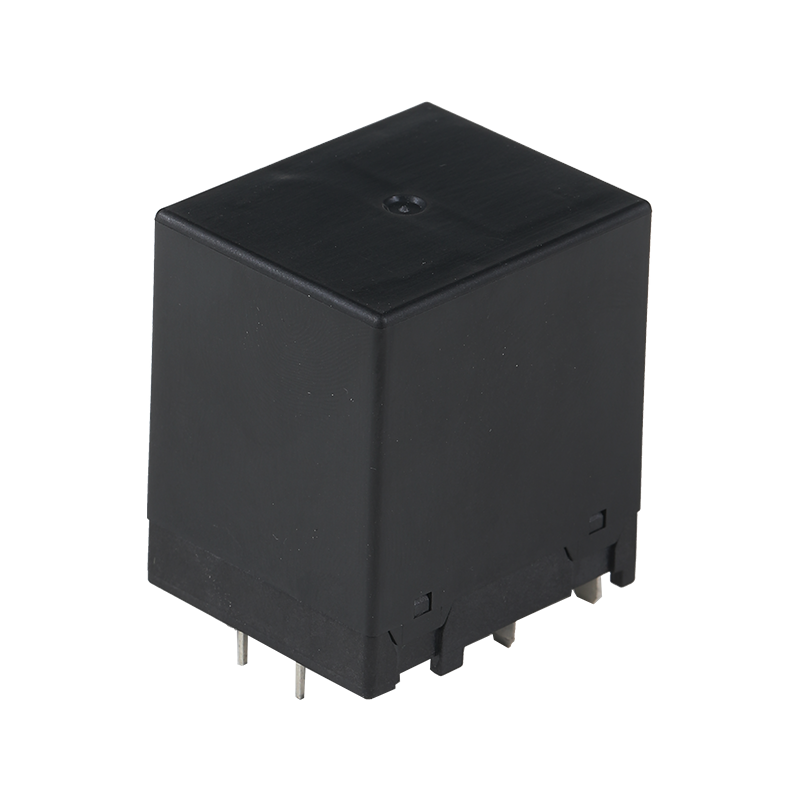
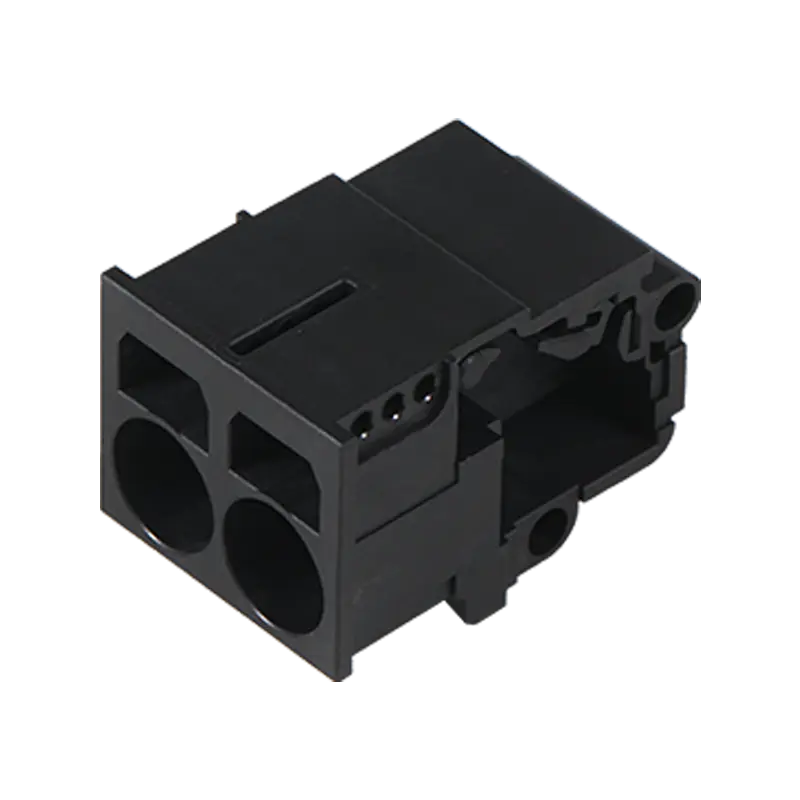
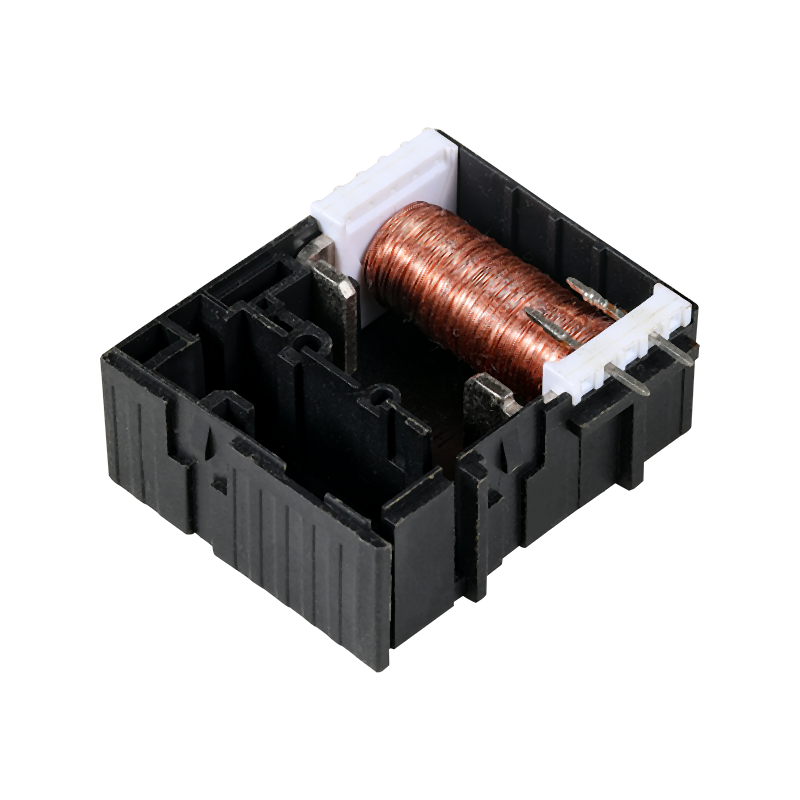
Production-Focused Design Of Relay Module Boards
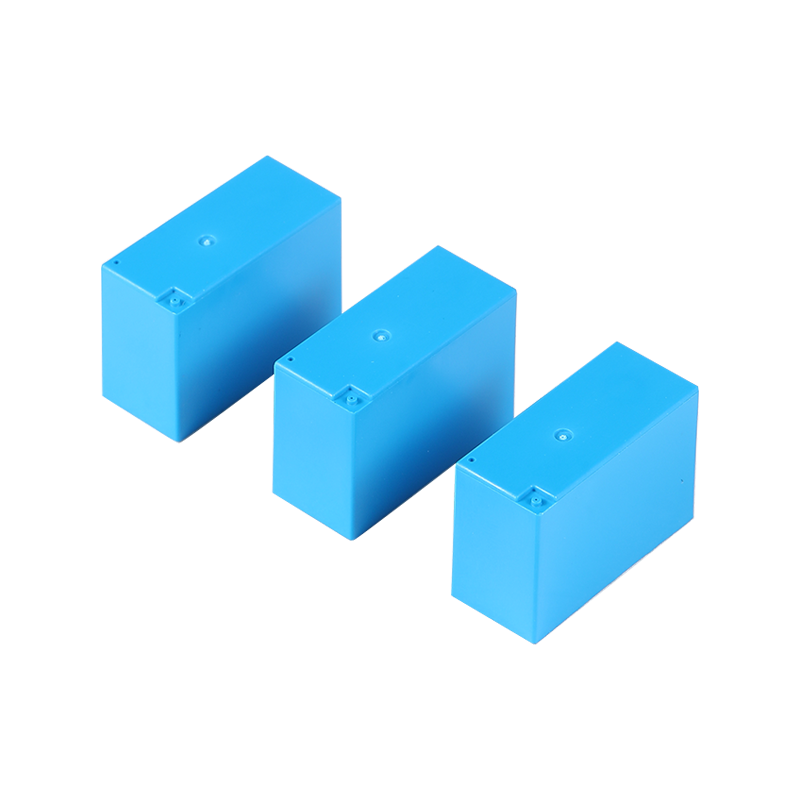
Industrial automation projects often require reliable switching components that can operate under continuous electrical loads and changing working conditions. A relay module board is designed to integrate relay units with supporting circuits, connection terminals, and protection elements, helping manufacturers develop control systems for machinery, power equipment, and automation applications.
For overseas buyers sourcing electronic components, selecting a supplier involves more than checking product appearance or specifications. Manufacturing capability, material selection, process control, and customization support are important factors when evaluating a factory partner. HTN Relay focuses on the development and production of relay-related components, providing solutions for customers that require stable supply and engineering coordination.
The structure of a relay module is closely connected to application requirements. Different projects may require variations in relay type, voltage range, terminal layout, circuit protection, and installation method. These differences influence the design approach and production process used by the manufacturer.
Manufacturing Process And Quality Control
The production of a relay module board involves multiple manufacturing steps, including component preparation, circuit assembly, soldering, inspection, and functional testing. Each stage requires controlled procedures to maintain consistency during batch production.
HTN Relay applies manufacturing management practices to support stable output for international customers. The production process includes inspection of incoming electronic materials, verification of component specifications, and monitoring of assembly quality. These procedures help reduce production risks caused by material variation or assembly errors.
A key part of production is the integration of magnetic latching relay components into suitable circuit designs. These components are selected according to electrical requirements, operating conditions, and customer application needs. Proper matching between relay parts and circuit structures helps maintain reliable performance in industrial environments.
Manufacturers also pay attention to soldering quality, connection reliability, and product testing. Automated equipment and manual inspection methods may be combined depending on production requirements. Functional tests are performed to confirm switching performance and electrical characteristics before shipment.
|
Manufacturing Area |
Supplier Capability Consideration |
Application Impact |
|
Relay Component Selection |
Compatibility between relay specifications and customer requirements |
Supports stable switching performance in control equipment |
|
Circuit Assembly |
Controlled soldering process and inspection procedures |
Reduces connection problems during long-term operation |
|
Testing Process |
Electrical verification and quality records |
Helps buyers manage product reliability expectations |
|
Custom Production |
Flexible adjustment of design and configuration |
Supports different industrial system requirements |
Materials, Customization, And Supply Capability
Material selection influences the durability and reliability of electronic modules. A professional supplier considers factors such as circuit board quality, relay material characteristics, terminal design, and protective components when developing products for different markets.
For customers requiring customized solutions, HTN Relay provides support based on project specifications. Custom options may include circuit arrangement, relay configuration, connection methods, and packaging requirements. This approach helps buyers coordinate component selection with their own equipment design.
The factory also provides PCB assembly services related to relay products, allowing customers to simplify supplier management by working with a manufacturer capable of handling multiple production stages. Integrated manufacturing support can improve communication efficiency between engineering teams and purchasing departments.
Batch production capability is another important consideration for B2B buyers. Stable production planning, supplier coordination, and quality monitoring help manufacturers handle repeat orders and long-term cooperation requirements. For distributors and equipment manufacturers, consistent supply is often a key factor when establishing a reliable sourcing relationship.
Choosing A Relay Manufacturing Partner For Industrial Applications
When selecting a supplier for a relay module board, buyers usually evaluate several areas, including technical experience, production processes, quality management, and response speed during project development. A factory that understands industrial applications can provide more practical recommendations during product discussions.
Different industries may require different relay solutions. Automation equipment, power control systems, smart devices, and industrial machinery often have specific requirements related to switching frequency, installation space, and environmental conditions. Suppliers with flexible engineering capabilities can adjust product designs according to these application details.
HTN Relay develops custom relay solutions for customers looking for application-specific products rather than standard components only. Through communication with buyers, the factory can understand project parameters and provide suitable production options.
For international procurement teams, cooperation with a manufacturer also involves evaluating documentation support, production communication, and delivery management. Clear technical information and organized manufacturing procedures help reduce uncertainty during global sourcing.
Industrial Applications And Future Demand
The demand for reliable relay products continues to grow as automation systems expand across manufacturing, energy equipment, and intelligent control applications. Electronic components used in these systems require stable performance and consistent production quality.
A relay module board serves as an important connection point between control signals and electrical loads. Its design quality affects how effectively a control system manages switching operations. For equipment manufacturers, selecting an experienced supplier can support product development and long-term production planning.
HTN Relay continues to focus on relay component manufacturing, quality improvement, and customer-oriented engineering support. By combining production capability with customization services, the factory provides electronic solutions for businesses seeking dependable partners in global supply chains.
For buyers comparing suppliers, evaluating manufacturing processes, technical communication, and production flexibility can provide a clearer understanding of a factory’s capability. These factors are valuable when building stable cooperation for industrial electronic projects.