English
 中文简体
中文简体 русский
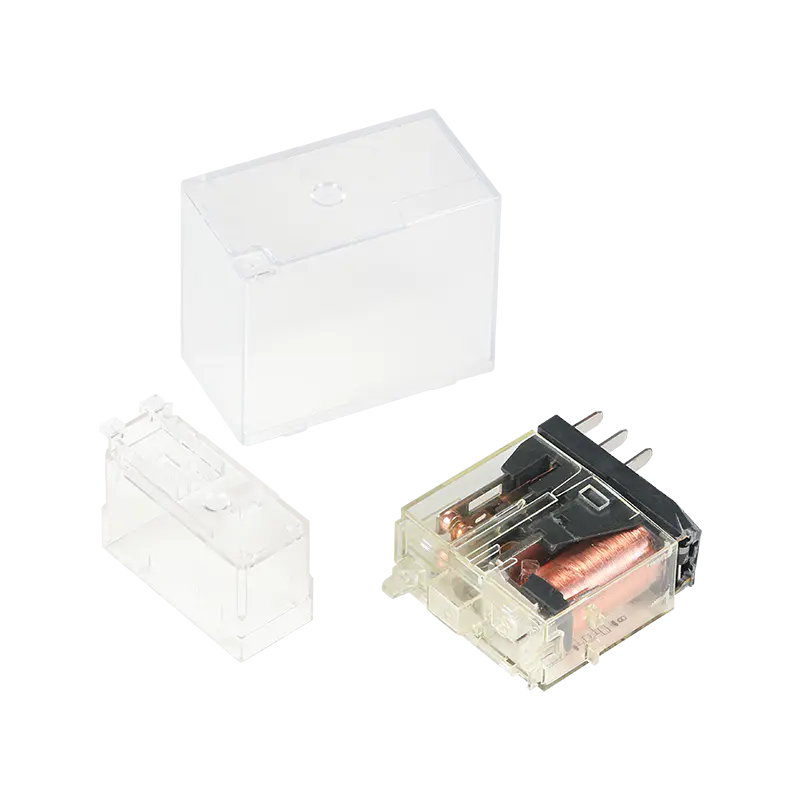
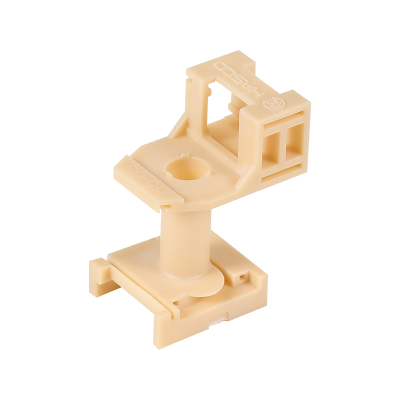
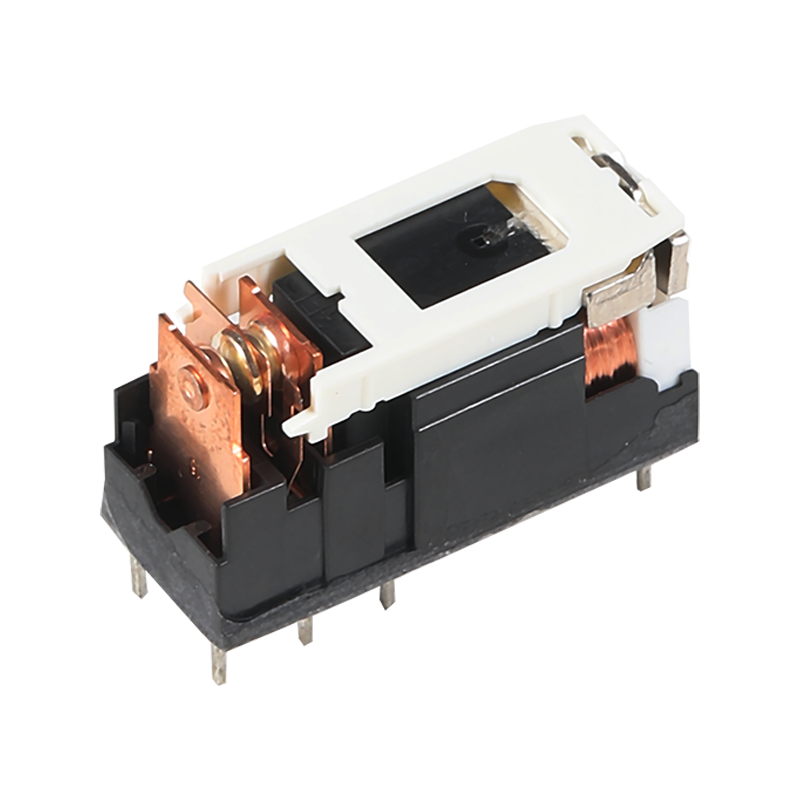
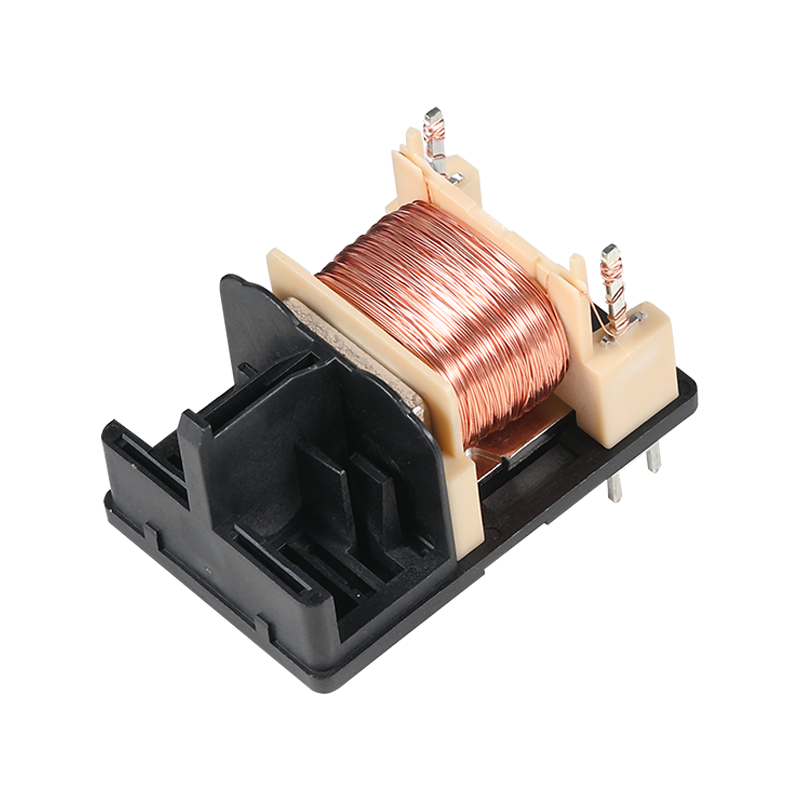
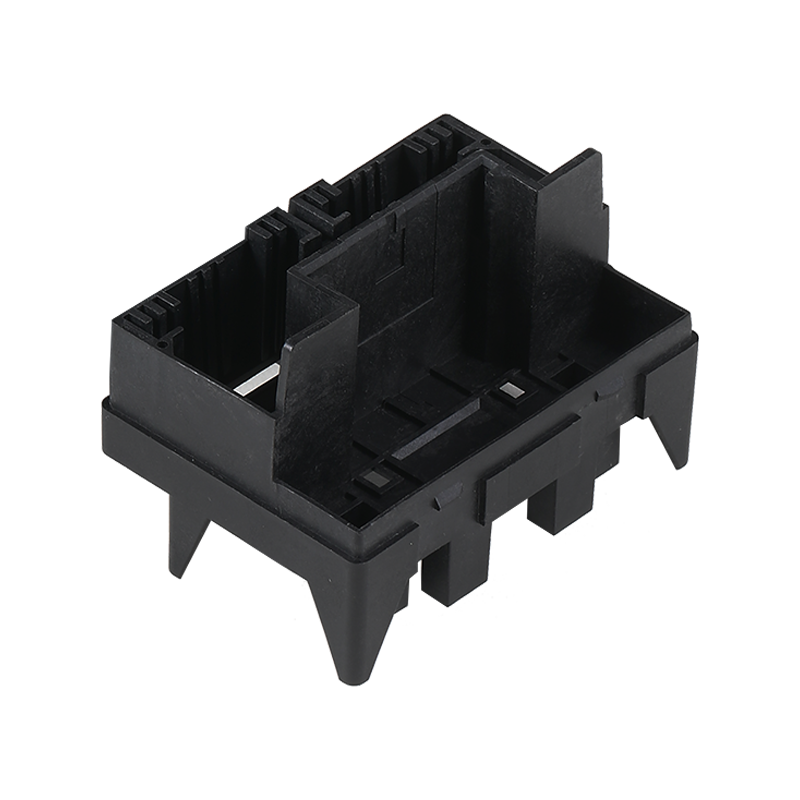
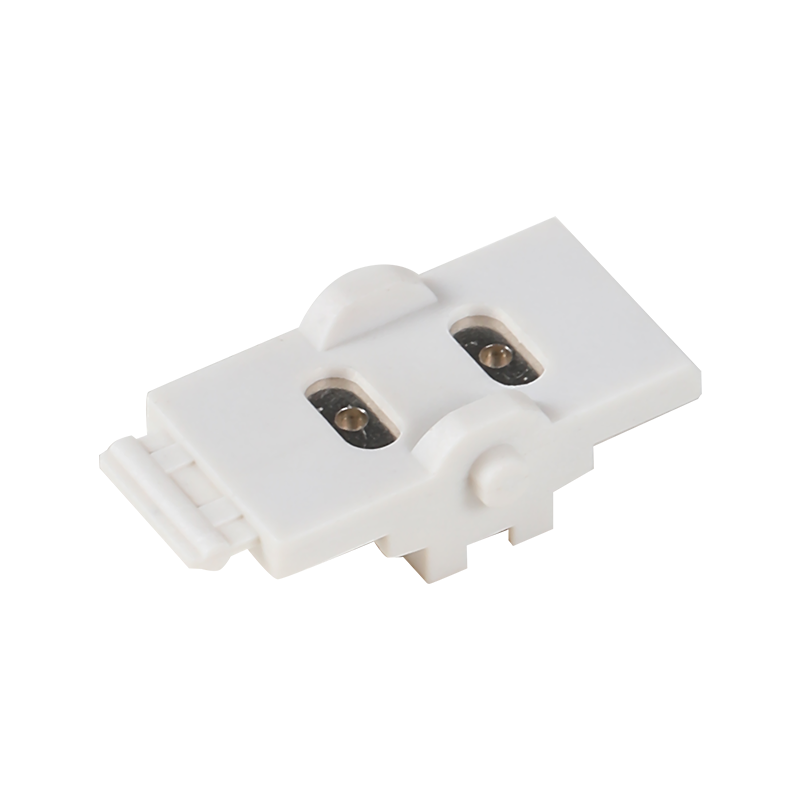
A relay base under the dashboard and a connector housing in the engine bay look like unrelated parts, but both often come from the same manufacturing process. Plastic injection molding automotive parts cover a wide range of shapes and functions across a vehicle, yet the underlying steps, melting resin, injecting it into a shaped cavity, and cooling it under pressure, stay the same whether the finished part is a relay socket, a connector shell or a control housing.
Material choice across different vehicle zones
Not every part built through plastic injection molding automotive parts work sits in the same thermal environment, and that difference drives material selection more than shape does. A connector mounted near the engine has to hold its shape through sustained heat cycles that a part inside the passenger cabin rarely experiences. Plastic injection molding automotive parts destined for these hotter zones typically use a resin rated for higher continuous operating temperatures, while parts in cooler zones can use a lower-cost material without sacrificing reliability.
Flame retardancy is a second consideration that runs across nearly every automotive-grade part, regardless of where it sits in the vehicle. A housing sitting close to wiring and electrical connections needs a resin rated to resist ignition and to self-extinguish rather than sustain a flame, and this rating becomes part of the material specification from the earliest stage of the mold design rather than an afterthought applied later.
Dimensional stability under thermal cycling matters as much as the initial heat resistance rating for plastic injection molding automotive parts. A part that expands and contracts slightly every time the vehicle heats up and cools down needs a resin that returns to its original dimensions each cycle, since a housing that drifts out of tolerance over repeated heat cycles can loosen its grip on the terminals or seals it was designed to hold.
Tooling built for volume
Automotive parts rarely ship in small batches, and the tooling behind automotive parts reflects that reality from the start. A multi-cavity mold produces several identical parts in a single injection cycle, which spreads the tooling cost across a much larger volume than a single-cavity mold could support. Designing a mold with multiple cavities correctly, so that resin fills every cavity evenly and at the same pressure, takes more upfront engineering than a simple single-cavity tool, but it pays back through consistent part quality across a production run numbering in the hundreds of thousands.
Gate placement and cooling channel layout inside the mold both affect how evenly a part cools, and an automotive part with tight dimensional requirements needs that cooling to happen uniformly across every cavity in a multi-cavity tool. Plastic injection molding automotive parts built this way come off the line dimensionally consistent from the earliest shot to the last, which matters when a connector housing or a relay base has to mate with the same counterpart part across an entire production run.
One process, many part families
A factory building relay components, connector housings and automotive control parts under one roof gains an advantage that a single-product molder does not: the same core tooling knowledge, the same resin handling practices, and the same quality checks apply across all three part families, even though the finished shapes differ. Plastic injection molding automotive parts and relay housings both draw on the same understanding of how a given resin behaves under injection pressure and how it shrinks as it cools, since that behaviour does not change just because the finished part serves a different function.
This shared foundation lets a factory move design lessons from one automotive parts family to another. A cooling channel layout that solved a warping problem on a connector shell can inform the mold design for a relay base facing a similar geometry, and material handling practices developed for a flame-retardant automotive housing apply just as well to a relay component that sits in a similarly demanding environment.
Specifying automotive-grade parts
Buyers sourcing plastic injection molding automotive parts can specify the operating temperature range, flame retardancy rating and dimensional tolerance together, rather than treating each as a separate conversation. A factory already producing plastic injection molding automotive parts for relay and connector lines can extend that same specification into a new part number without restarting the qualification process. A factory that already builds relay and connector components under Plastic injection molding automotive parts material standards can carry that same specification discipline into a new part family, since the underlying resin knowledge and tooling practices transfer directly from one product line to the next.