English
 中文简体
中文简体 русский
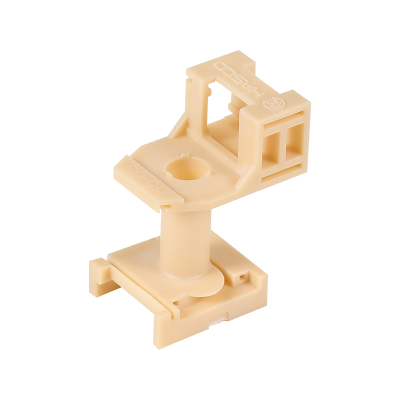
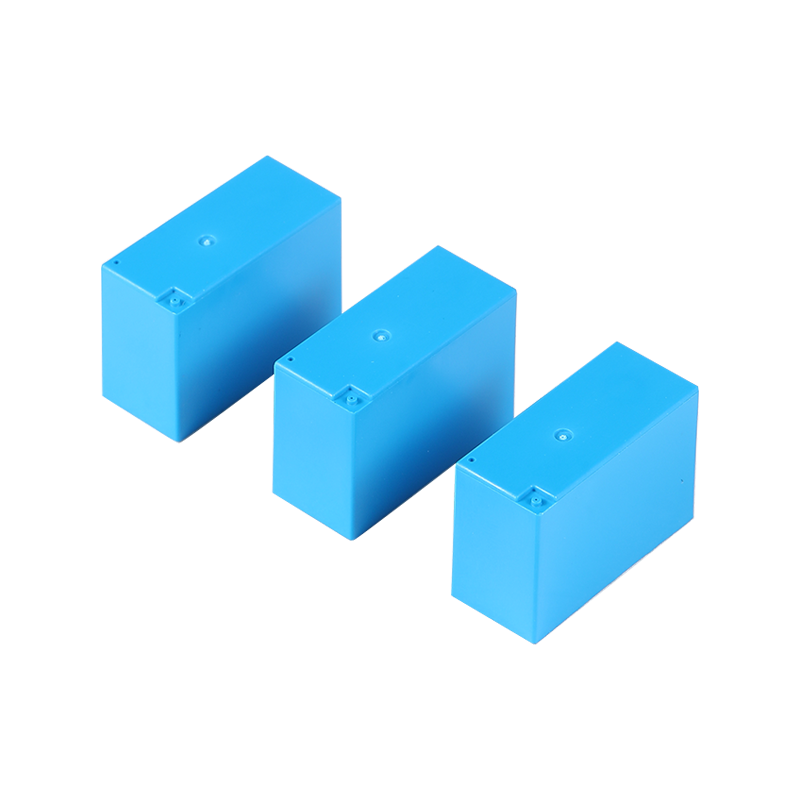
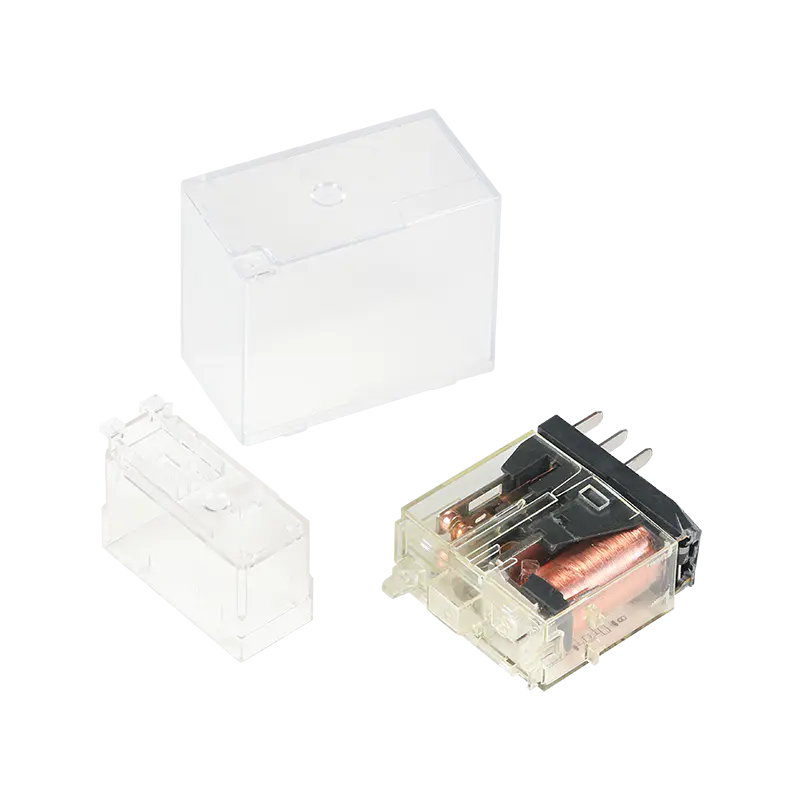
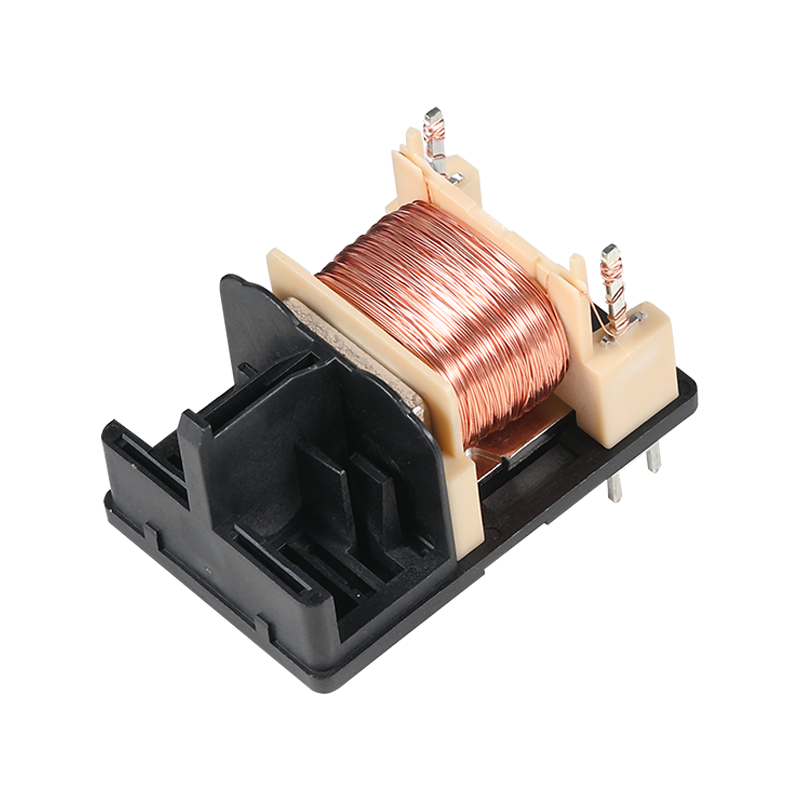
Switching a small sensor signal and switching a motor or a heater draw on the same relay principle, but they put very different demands on the part that actually makes the connection. A general purpose power relay component is built for the second case, where the contacts carry real current rather than a few milliamps of signal, and that single difference shapes the contact material, the spacing inside the housing, and the plastic base around it.
Why contact material changes at power level
A signal relay can use a light contact material and still switch reliably, since the current passing through is small. A general purpose power relay component switching a motor, a compressor or a heating element sends far more current through the same pair of contacts, and every time the contacts open or close under that load, a small arc forms for an instant. Over thousands of cycles, that arc slowly erodes the contact surface.
Silver alloy contacts resist this erosion better than plain silver or copper, and many general purpose power relays use a silver-cadmium-oxide or silver-tin-oxide blend for exactly this reason. The alloy keeps the contact surface from welding shut under high inrush current, which is the failure mode that matters more in a power relay component switching an inductive load like a motor winding, since inrush current at start-up runs several times higher than the steady running current.
Spacing and heat inside the housing
Current at power level generates heat, and a general purpose power relay component has to manage that heat inside a housing far smaller than the equipment it controls. Contact spacing and the distance between adjacent terminals both widen as the rated current climbs, since tighter spacing that works fine for a low-current signal relay can let heat build up between terminals at power level, or in extreme cases let current jump where it should not.
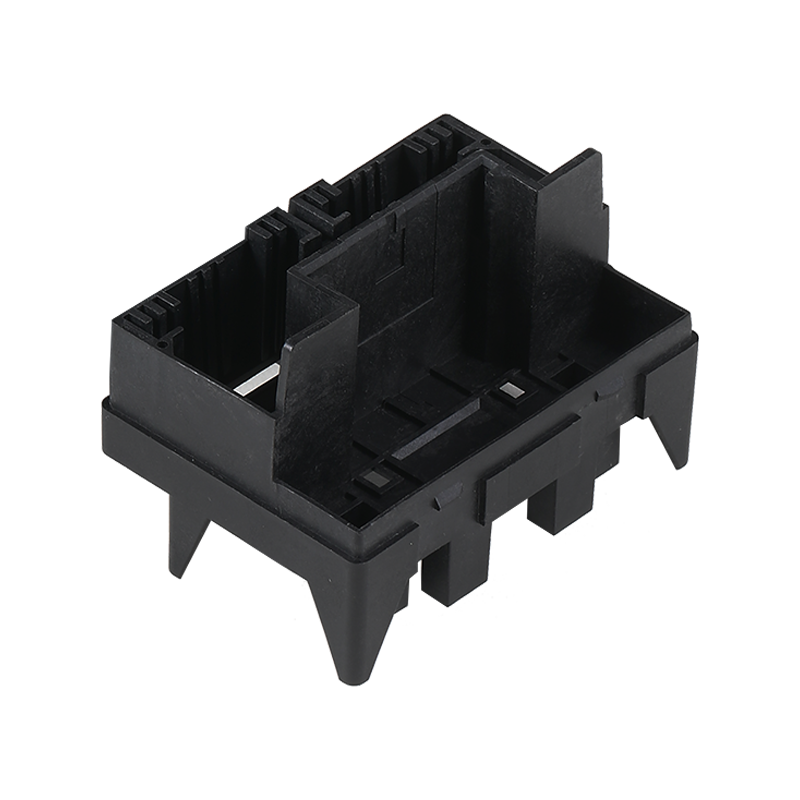
Series like the T73 general purpose power relay component keep enough terminal spacing to let heat dissipate through the plastic base and into the surrounding air, rather than concentrating it around the coil. The plastic housing itself plays a role here too, since a material with poor heat resistance can soften or deform around terminals that run warm during continuous high-current switching, while a properly rated housing holds its shape through the relay's full service life.
Coil voltage and socket compatibility
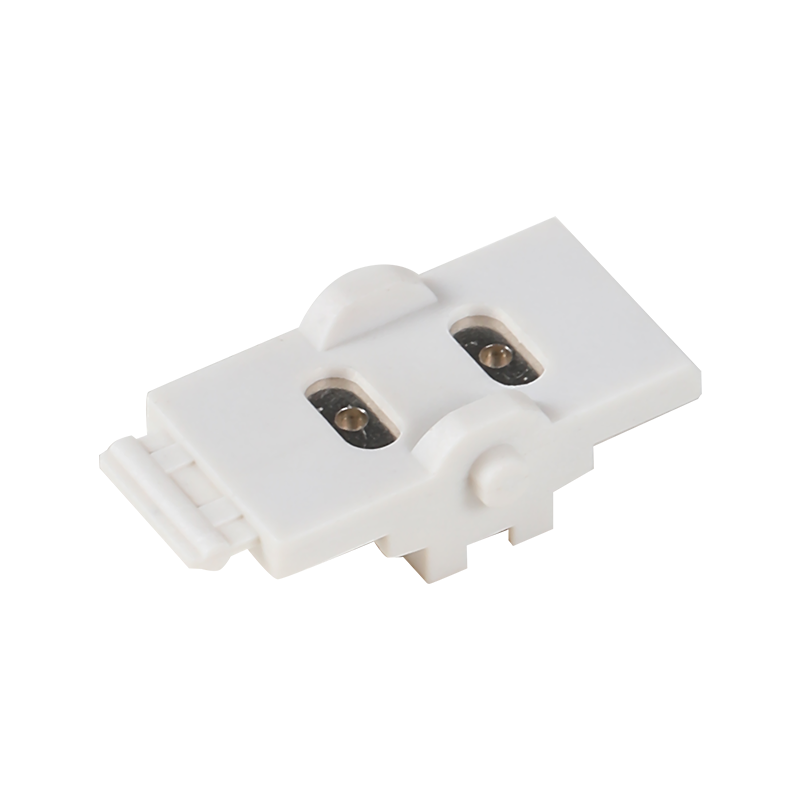
Buyers selecting a general purpose power relay component usually start from two numbers for the power relay component: the coil voltage that will drive the relay, and the contact rating the load requires. These two numbers are independent of each other, which is why the same physical relay body often comes in several coil voltage versions built around one shared contact and terminal layout. That shared layout matters for sourcing, since a socket or base designed for one coil voltage version usually fits every other coil voltage in the same series without any change to the wiring or the mounting.
This is the reasoning behind replaceable relay bases: a maintenance team stocking one socket footprint can swap in whichever coil voltage the next repair calls for, without redesigning the panel or rewiring the base. A general purpose power relay component family that keeps this base compatible across its coil voltage range saves a buyer from carrying a wider spare parts inventory than the application actually needs, since one socket then serves every coil variant in the power relay component line.
Matching a power relay to the application
Selecting a general purpose power relay component starts with reading the load correctly rather than assuming a higher rated number is the safer choice by default. A resistive load such as a heater draws a steady current with little inrush, while a motor or compressor draws several times its running current for a brief instant at start-up, and the contact rating needs to account for that inrush figure rather than only the running current.
Buyers developing a product line built on a general purpose power relay component can specify contact material, terminal spacing and coil voltage range together, so the finished part matches both the electrical load and the mounting footprint already in use on a panel. A general purpose power relay component chosen this way, with contact material and terminal spacing sized to the real switching load rather than a generic rating, holds up through the inrush cycles that define its working life rather than showing wear only after the fact.