English
 中文简体
中文简体 русский
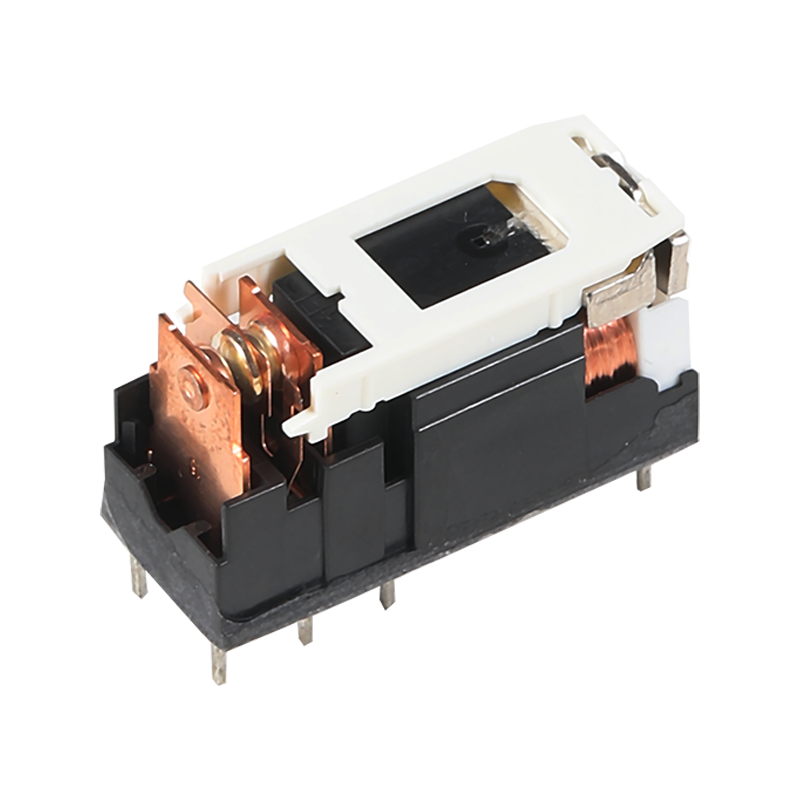
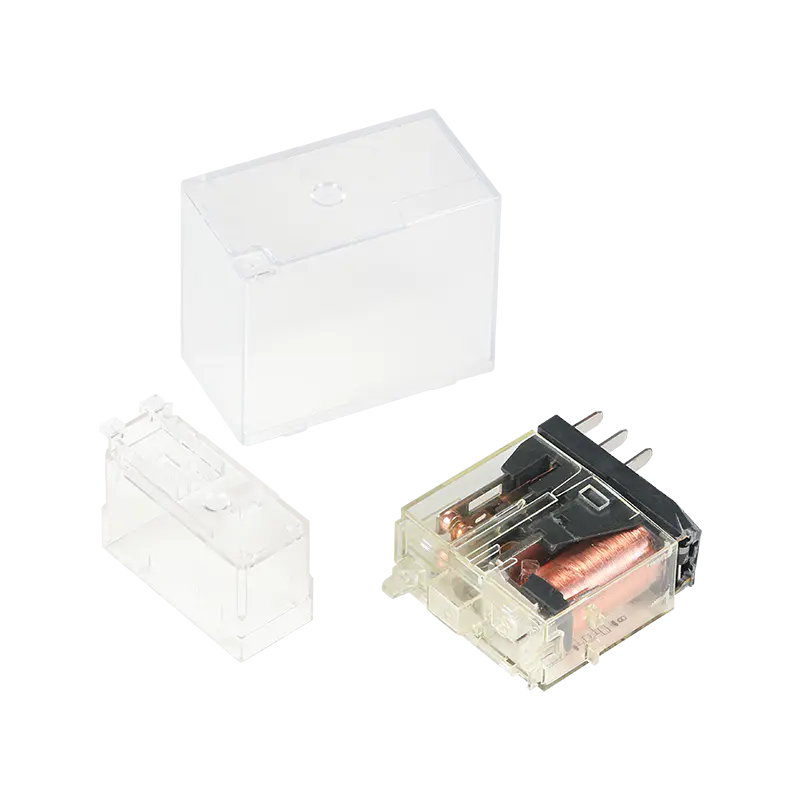
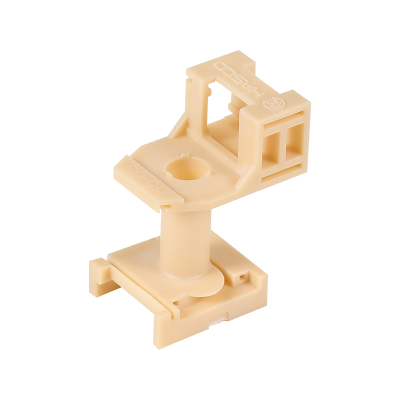

A connector designed for a kitchen appliance and a connector designed for a vehicle wiring harness rarely share a supplier, yet both jobs can be handled by the same well-engineered universal power plug conector component when the underlying design is built for cross-industry use rather than one narrow application. Buyers sourcing connectors for household devices, computer peripherals, or automotive electronics increasingly look for a single component family that performs consistently across all three, since standardizing on one universal power plug conector component platform simplifies both procurement and inventory management for a buyer juggling multiple product lines at once.
What "Universal" Actually Means in a Connector Design
Calling a universal power plug conector component universal only means something if the design has actually been tested across the range of conditions each target industry puts it through. A connector destined for a computer peripheral faces frequent insertion cycles in a stable indoor environment, while the same connector used in an automotive application must handle vibration, temperature extremes, and occasional moisture exposure. A supplier claiming universal compatibility without describing which conditions the part was validated against is asking a buyer to take that claim on faith rather than on data.
Housing Material and Pin Contact Consistency
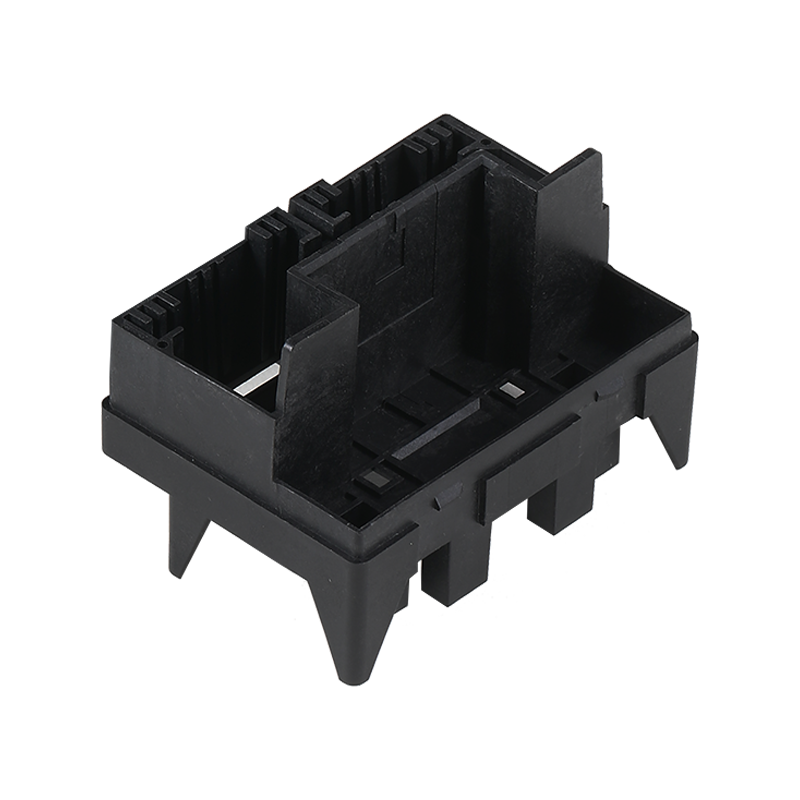
The power plug connector housing on a well-built component uses a plastic grade selected for dimensional stability across a wide temperature range, since a housing that shrinks or warps slightly after repeated heat exposure changes the fit of the pin contacts inside it. Buyers should ask a supplier which resin grade is used and whether the same housing tooling is shared across the household, computer, and automotive versions of the connector, since shared tooling is often what actually makes a "universal" design consistent rather than three different parts marketed under one name. Pin contact material matters just as much as the housing, since a plated contact that wears unevenly after repeated insertion cycles introduces resistance that a multimeter reading at the point of manufacture would never catch.
Ease of Integration Depends on Standardized Dimensions
A universal power plug conector component intended for use across multiple product lines needs standardized pin spacing and housing dimensions that match common industry mounting patterns, since a connector requiring a custom PCB footprint for each application defeats the purpose of sourcing a universal part at all. Buyers integrating a connector into a new product design should confirm the mounting footprint against their existing board layout before committing to a supplier, since a near-match that requires even a small board revision adds cost and time that a truly standardized connector would have avoided. This same standardization also matters at the assembly stage, since a production line set up to handle one connector footprint across several product variants runs faster than one that has to reconfigure tooling for each variant separately.
Quality Control Behind Consistent Cross-Industry Performance
A cross industry connector supplier producing its own universal power plug conector component parts typically runs each production batch through insertion-cycle testing and contact resistance checks before shipment, since a connector that performs well on a bench sample but drifts out of tolerance across a production run creates inconsistent results once installed across different customer product lines. Buyers placing orders spanning multiple end applications should ask whether quality control standards differ between the household, computer, and automotive versions of the connector, since a component marketed as universal should meet a single consistent testing standard rather than a lighter one for less demanding applications.
Certification and Customization for Multi-Industry Buyers
Buyers sourcing a universal power plug conector component for a program that spans multiple industries should request safety and compliance certification relevant to each target market, since a connector cleared for household appliance use does not automatically meet automotive electrical requirements. A factory able to document compliance across these different standards, rather than assuming one certification covers every application, gives a buyer confidence when specifying the same universal power plug conector component platform across product lines that answer to different regulatory bodies. Customization requests, such as an adjusted pin count or a modified housing color to match a specific product line, are generally easier for a factory to accommodate when the base design already spans multiple industries, since the tooling and quality control processes are already built for that kind of flexibility.