English
 中文简体
中文简体 русский
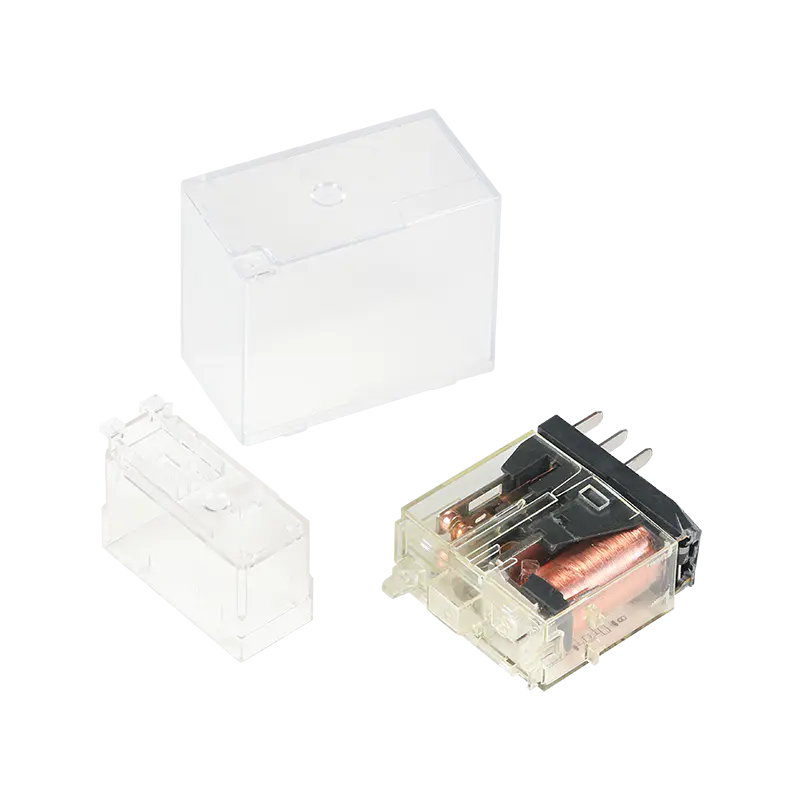
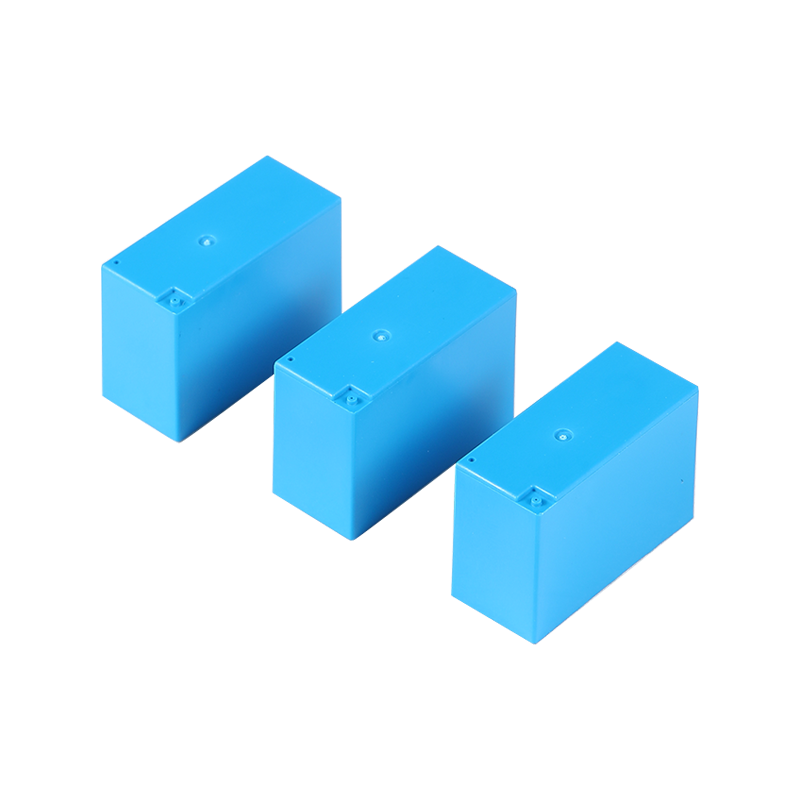
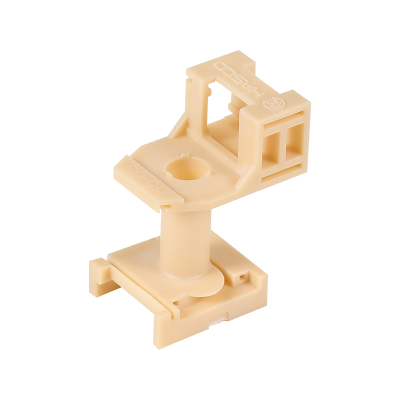
A relay that switches perfectly on a test bench can still fail inside a dashboard after six months of engine vibration, and this gap between bench performance and real vehicle conditions is exactly what separates a well-built automotive general purpose relay component from one that only looks identical on a datasheet. Buyers sourcing an automotive general purpose relay component for lighting circuits, HVAC control, or engine management are ultimately buying a part that has to survive constant micro-vibration, temperature swings under the hood, and years of on-off cycling without a single missed switch.
Contact Design Determines How Many Cycles a Relay Survives
An automotive general purpose relay component built for a headlight circuit and one built for a power window motor face very different electrical loads, even though both might share the same physical housing. Inductive loads such as motors and compressor clutches generate a voltage spike at the moment of switch-off, and a contact material not rated for that spike pits and degrades far faster than the switching-cycle count on the spec sheet would suggest. Buyers should ask a supplier which load type the contact material was actually tested against, not just the general current rating printed on the housing.
|
Application |
Typical Load Type |
Contact Wear Consideration |
|
Lighting control |
Resistive, steady current |
Lower wear, longer rated life |
|
HVAC blower motor |
Inductive, motor start current |
Higher contact erosion over time |
|
Engine management |
Resistive to mixed load |
Requires tighter switching tolerance |
|
Safety systems (ABS, airbag) |
Low-current signal switching |
Demands high contact reliability at low current |
Housing Material Affects Performance Under the Hood
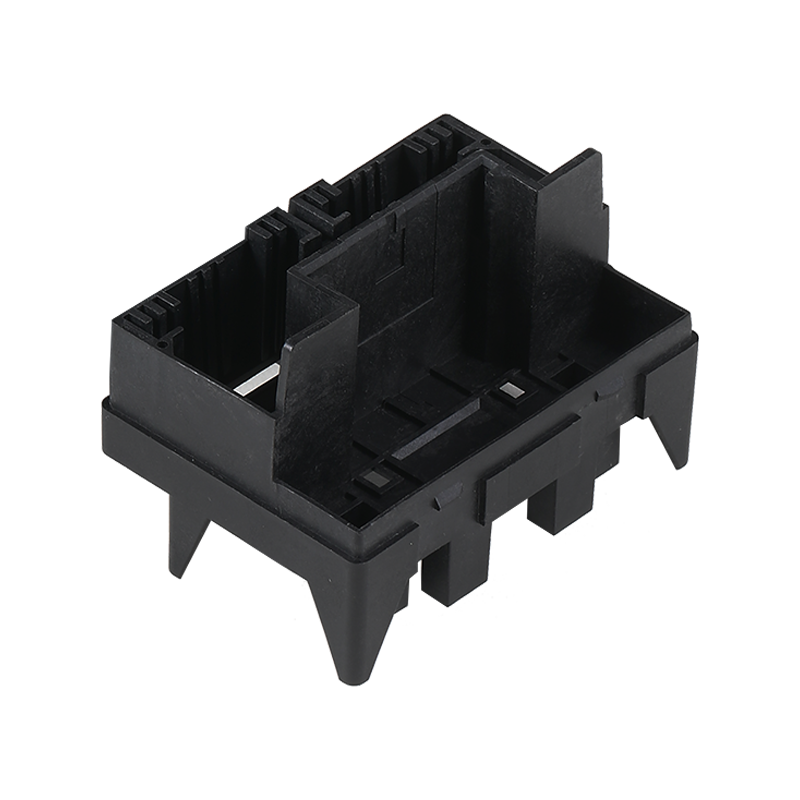
The automotive relay housing material used on an automotive general purpose relay component has to withstand engine-bay temperatures, road salt exposure, and the vibration transmitted through the mounting bracket, which is a harsher environment than the average general-purpose electronic housing ever faces. A housing molded from a lower-grade plastic can become brittle after repeated heat cycling, leading to hairline cracks that let in moisture long before the internal contacts show any wear. Buyers specifying a relay for a new vehicle platform should confirm the housing resin grade and its rated operating temperature range before approving a supplier.
Quality Control Through the Injection Molding Process
A factory producing its own automotive general purpose relay component housings typically controls the injection molding process directly, since a mold running slightly out of tolerance produces housings with inconsistent wall thickness that affects both durability and how well the relay seals against moisture. Batches are usually tested for relay contact switching cycles under simulated load conditions before shipment, since a relay that meets its rated cycle count on paper but fails early in the field creates a warranty problem that traces back to a testing gap rather than a design flaw. Factories running this kind of batch-level testing, rather than only testing a sample unit pulled for approval, tend to ship components with more predictable field performance.
Customization for OEM and Tier 1 Automotive Programs
Buyers integrating an automotive general purpose relay component into a new vehicle platform often need a modified pin configuration, a specific coil voltage, or a custom housing color to match an existing wiring harness design rather than adapting the harness to fit a standard catalog part. A factory that builds these modifications into its regular tooling and production workflow, instead of treating each one as a separate engineering request, tends to hold consistent quality control across the customized run and quotes realistic lead times for a program with a fixed vehicle launch date.
Certification and Bulk Supply for Vehicle Production Programs
Buyers sourcing an automotive general purpose relay component for a vehicle production program should request documentation on switching-cycle testing, material certification, and any relevant automotive quality system certification the factory holds, since this paperwork is what a Tier 1 buyer's own quality team will ask for during supplier qualification. Confirming production capacity and consistent batch quality across a full order, not just a sample shipment, matters more here than on many other components, since a single underperforming automotive general purpose relay component in a lighting circuit is a warranty claim that traces back to the entire batch it shipped with.