English
 中文简体
中文简体 русский
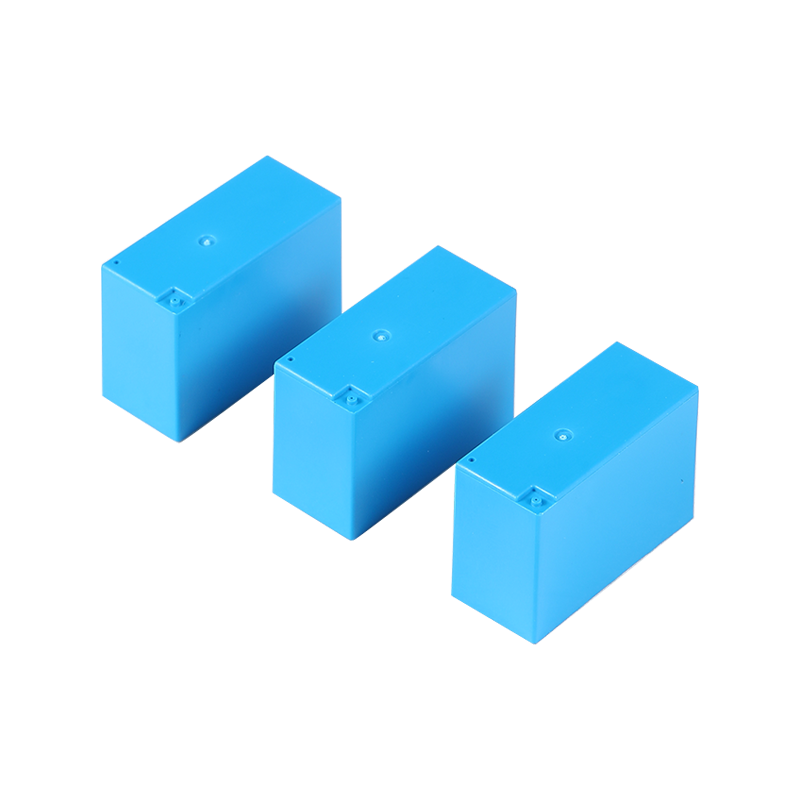
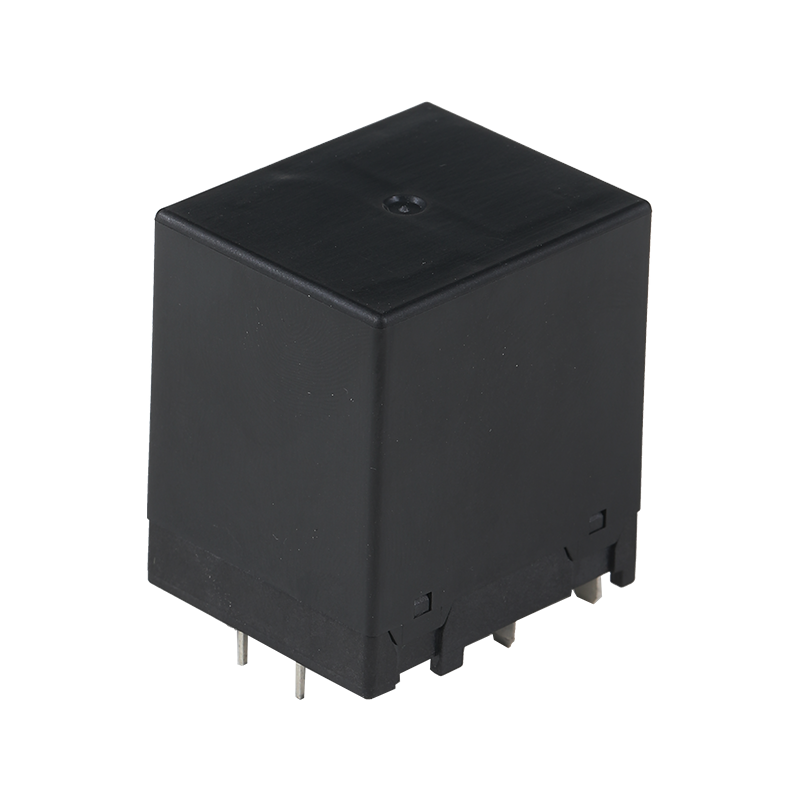
Pull a failed relay out of a fuse box and drop in a replacement from a different brand, and the fact that it simply clicks into place and works is not an accident. An automotive general purpose relay component built to a standardized terminal footprint slots into the same socket a competing manufacturer's relay was designed for, which is exactly why this pin layout gets treated as a fixed reference point rather than a detail each factory sets independently. Without that shared reference point, every relay swap in a repair shop or on an assembly line would require confirming compatibility part by part instead of relying on a known standard.
ISO Mini Relay Footprint Standardizes the Blade Layout
ISO mini relay footprint specifications define the spacing, width, and position of the blade terminals on a compact automotive relay, giving vehicle wiring harness designers a fixed physical interface they can build a fuse box socket around without knowing in advance which brand of relay will eventually plug into it. An automotive general purpose relay component built to this footprint interchanges freely with other relays sharing the same standard, which matters directly to a repair technician working from whatever compatible relay happens to be in stock rather than one specific brand's part number. Zhejiang Huateng Electronic Co.,ltd. manufactures its 905 series relays to this recognized footprint specifically to support this kind of interchangeability across the aftermarket and OEM supply chain.
Relay Socket Pin Compatibility Depends on More Than Blade Position
Relay socket pin compatibility requires matching blade thickness and terminal material properties alongside basic position, since a blade cut to the correct spacing but slightly out of tolerance on thickness can still bind or seat loosely inside an otherwise compatible socket. An automotive general purpose relay component manufactured with blade dimensions held to a tight tolerance band avoids this kind of marginal fit issue, seating with consistent contact pressure across sockets sourced from different suppliers rather than fitting well in some and loosely in others. This consistency matters more in high-vibration automotive environments, where a loose-fitting terminal degrades contact reliability over time even when the initial fit felt acceptable during installation.
Coil Pin Configuration Follows a Separate but Related Standard
The coil-side pins on an automotive general purpose relay component follow their own positional convention distinct from the switching-side blade terminals, and getting this coil pin layout wrong in a socket design creates a mismatch that prevents proper installation even when the switching-side blades would otherwise fit correctly. Manufacturers building relay sockets alongside the relay itself, rather than sourcing sockets independently, can verify this coordination directly during development rather than discovering a coil-pin mismatch only after both components reach a customer's assembly line.
Standardized Footprint Simplifies OEM Socket Development
An automotive general purpose relay component built to a recognized pin standard lets a socket or wiring harness manufacturer design around a known, published footprint rather than requesting proprietary dimensional data from a single relay supplier, which shortens development time for a new vehicle harness or aftermarket fuse box product. This standardization benefit flows in both directions: a relay manufacturer producing to the recognized footprint gains access to the broad base of existing sockets already built around that standard, while a socket manufacturer gains the ability to source relays from multiple compatible suppliers rather than depending on one.
Certification and Bulk Supply for Harness and Fuse Box Manufacturers
Buyers integrating an automotive general purpose relay component into a new wiring harness or fuse box design should confirm the specific footprint standard and pin tolerance documentation before finalizing a socket design around it, since even standardized footprints can carry minor variations between manufacturers that only become apparent during a physical fit check. Zhejiang Huateng Electronic Co.,ltd. provides this dimensional documentation alongside its 905 series relay line, and buyers placing bulk orders for a harness program spanning multiple vehicle platforms should confirm consistent pin tolerance across the full production volume their assembly schedule requires, since a variance that passes unnoticed on a small sample batch can surface as fit issues once volume production begins.