English
 中文简体
 русский

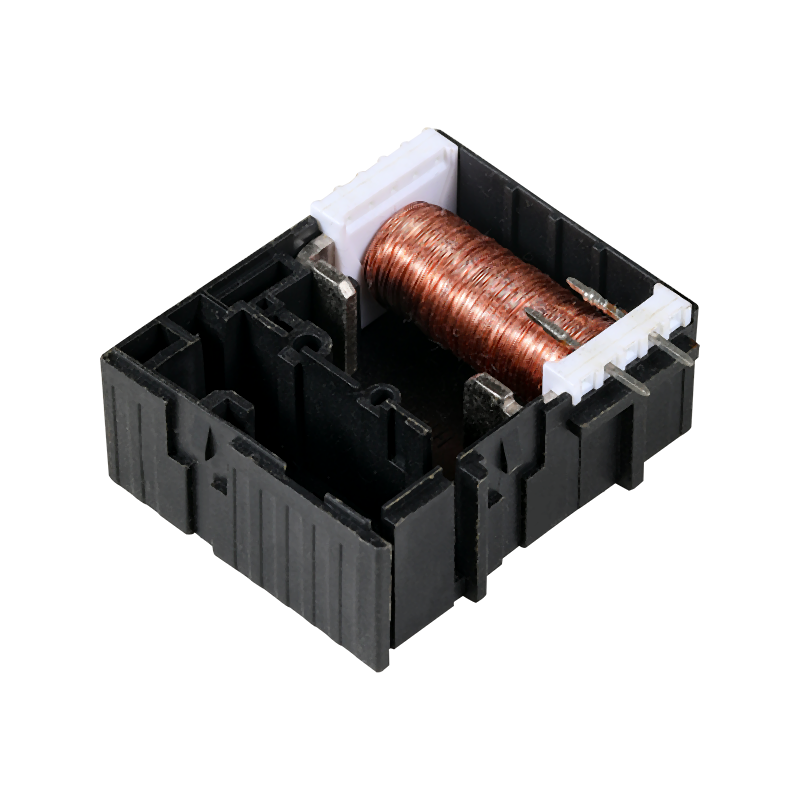


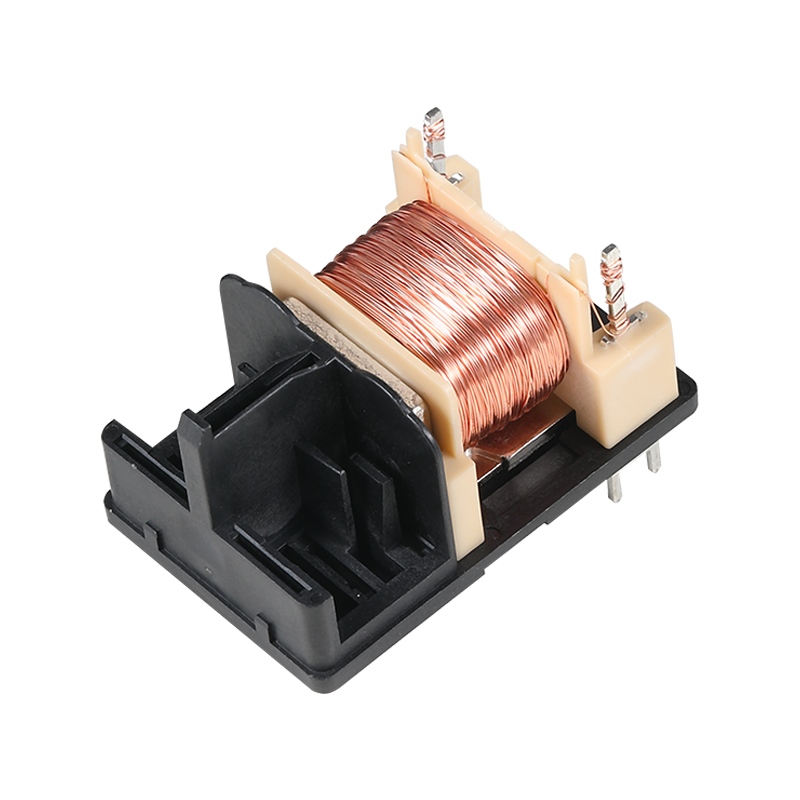
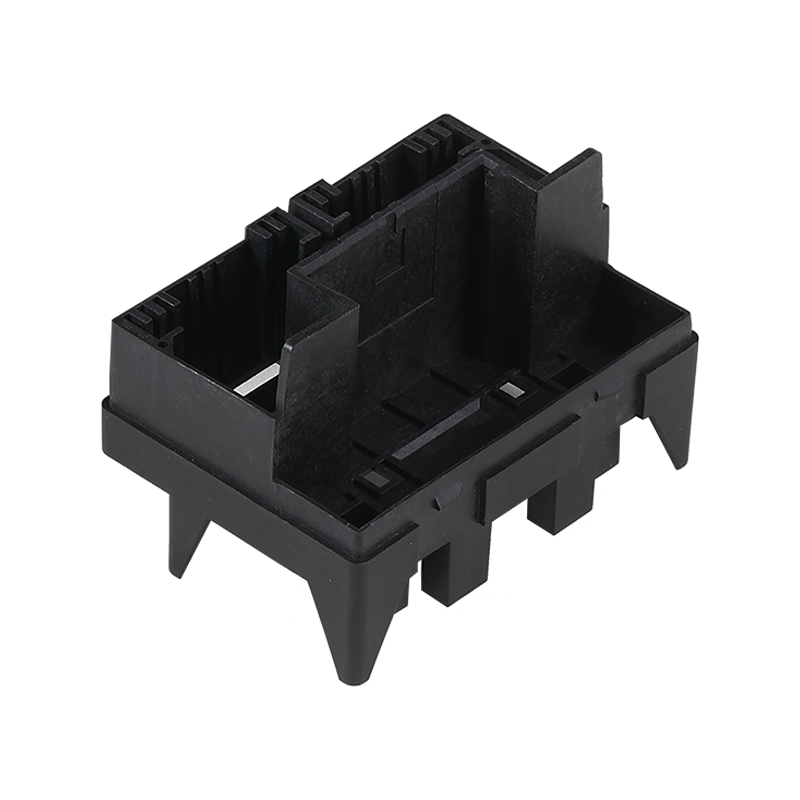
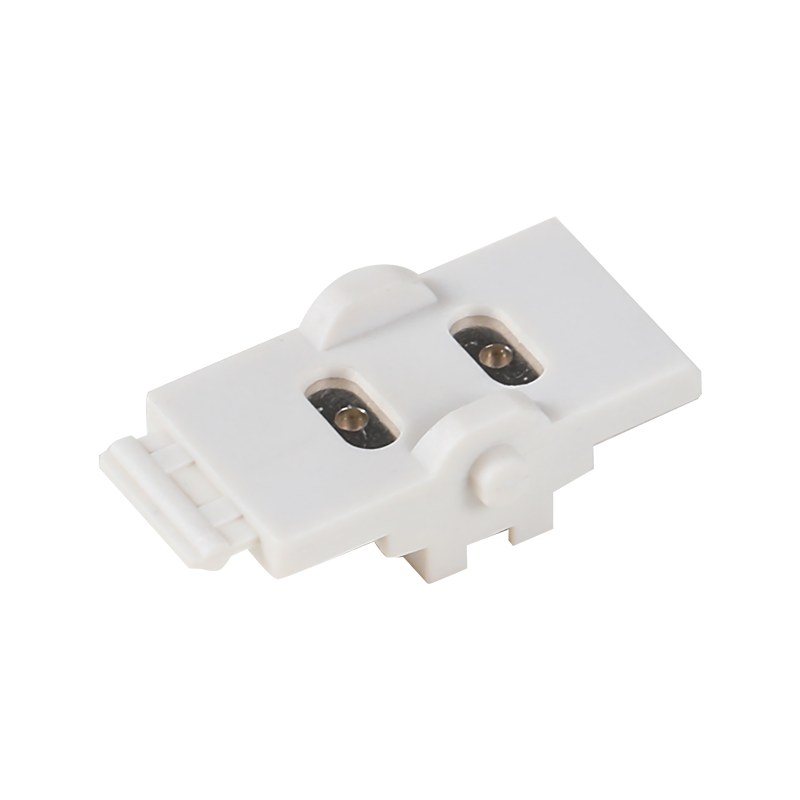
A connection that has to be soldered can only be changed by someone with the right tools and the time to do the job properly, which is exactly the friction Plug-in Connector Series Components are designed to remove. Plug-in Connector Series Components avoid that limitation by design. The plug and its socket separate by hand, without desoldering anything, which means a damaged cable, a worn part or a component needing an upgrade can be swapped on site rather than sent back to a workshop.
What makes a connection field-serviceable
A plug-in connector relies on a mechanical fit between the plug and the socket rather than a permanent joint, and that fit has to do two jobs at once: hold the connection secure under normal handling and vibration, while still releasing cleanly when someone needs to disconnect it. Plug-in Connector Series Components achieve this balance through a retention feature, often a small latch or a friction fit sized to a specific insertion and withdrawal force, so the connector neither falls apart on its own nor requires excessive force to remove.
Insertion force is a specification worth checking rather than assuming, since Plug-in Connector Series Components built for occasional field service benefit from a lower insertion force than a design meant to be seated once during assembly and left untouched afterward. A plug-in connector rated for repeated mating cycles maintains that same insertion feel across many connect-disconnect cycles, rather than loosening after a handful of uses or stiffening until it becomes difficult to separate by hand.
Panel mount and board mount versions
Plug-in Connector Series Components typically come in two mounting styles that suit different points in an assembly. A panel-mount version fixes to the outside of an enclosure, presenting a socket that a technician can plug into from outside the housing without opening it, which suits equipment that needs occasional external connections such as diagnostic ports or power inputs. A board-mount version solders directly onto a PCB inside the enclosure, serving as the internal half of a connection that a cable assembly plugs into during manufacturing or later service.
Choosing between the two comes down to where the connection needs to happen during the product's life. A connector component meant for a connection made once during assembly and rarely touched again works well as a board-mount part, while one intended for a connection technicians will make and break repeatedly over the product's service life benefits from the accessibility a panel-mount version provides.
Sealing for outdoor and exposed equipment
Equipment that sits outdoors, or in a location exposed to dust and moisture, needs more from a plug-in connection than the mechanical fit alone. A gasket or O-ring seal fitted around the mating face keeps water and particles from reaching the contacts once the connector is plugged in, and this feature has to work alongside the retention mechanism rather than in place of it. Plug-in Connector Series Components rated for outdoor use combine both features, since a sealed connector that pulls apart too easily under vibration defeats the purpose of the seal just as surely as an unsealed connector would.
Buyers specifying a sealed version of Plug-in Connector Series Components should confirm the seal rating holds up even after repeated mating cycles, since a gasket that degrades after a handful of connect-disconnect cycles will stop protecting the contacts long before the mechanical connector itself wears out. A connector component with a seal rated for the same number of cycles as its mechanical retention keeps both protections working together across the part's full service life, which matters as much for Plug-in Connector Series Components used outdoors as the insertion force does for those used indoors.
Specifying a plug-in series for a project
Buyers developing equipment that will need field-serviceable connections can specify insertion force, mounting style and sealing requirement together, rather than choosing a generic plug-in connector and hoping it fits the application. Plug-in Connector Series Components offered across both panel-mount and board-mount versions on a shared pin layout let a design team place connections wherever access is needed, without switching to an entirely different connector family between the external and internal halves of the same product.
A connector component chosen this way gives field technicians a connection they can service without special tools, while giving the factory a single family of parts to source and stock across a whole product line, rather than juggling multiple incompatible connector types for what is functionally the same job.