English
 中文简体
中文简体 русский
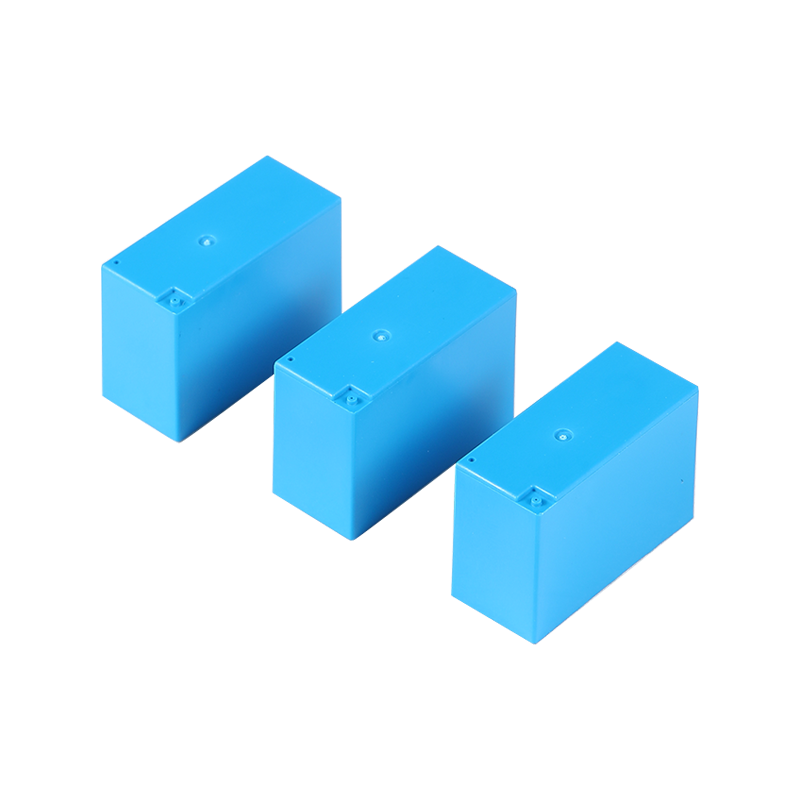
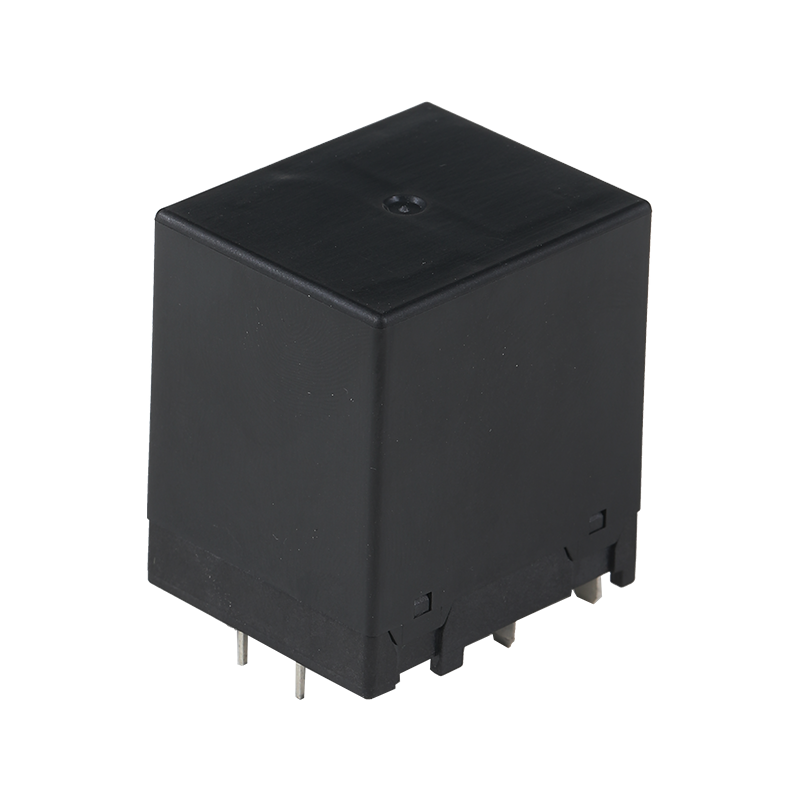
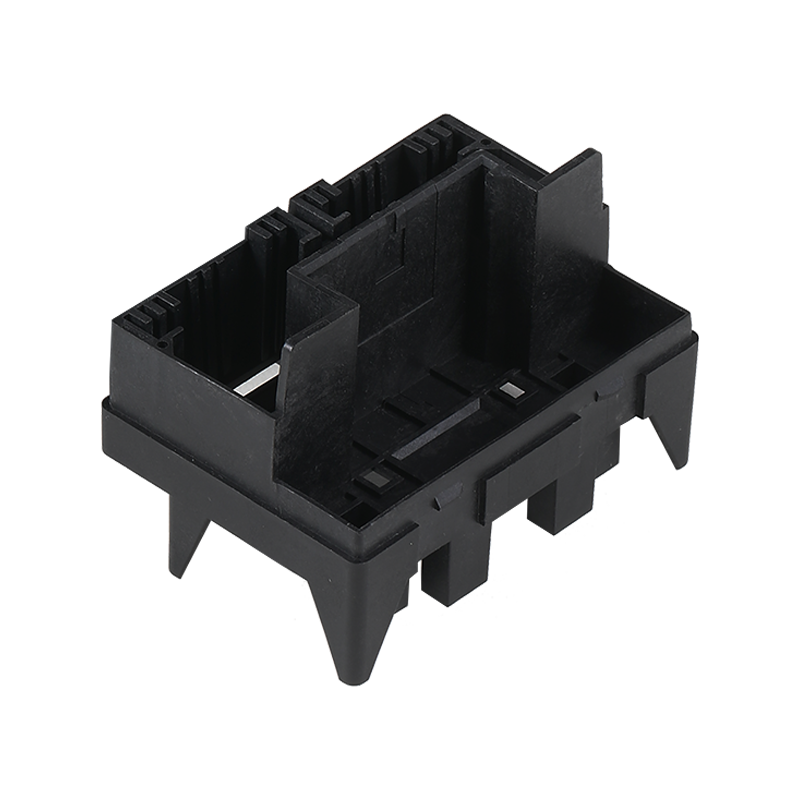
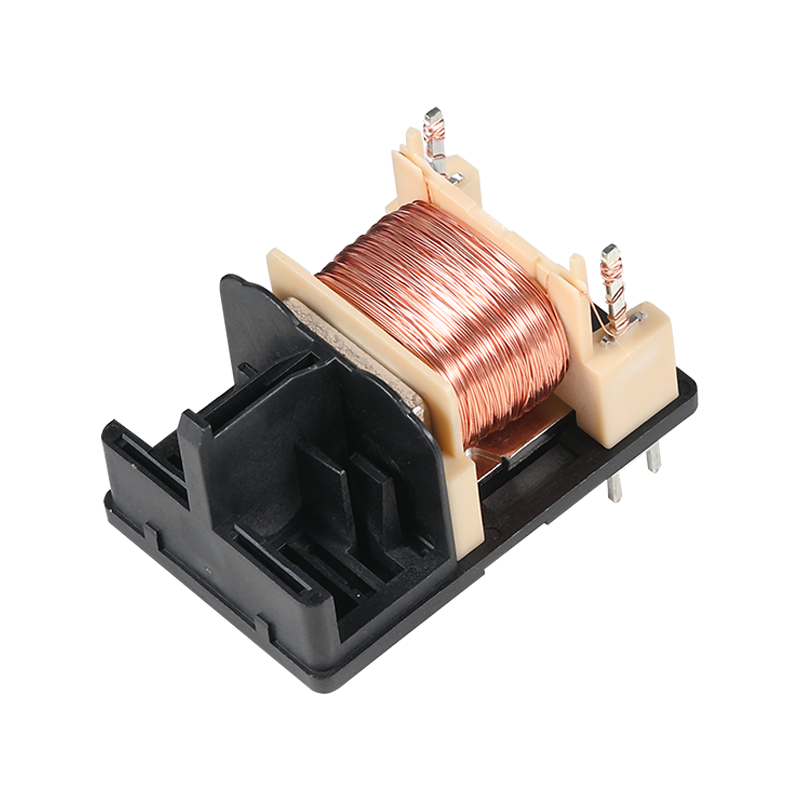
A relay built for a household appliance circuit has almost nothing in common with what an EV battery pack or a solar inverter actually needs from the same category of part, and that gap is exactly why an energy relay component designed for high-voltage DC switching has become its own distinct sourcing category rather than a variant of a general-purpose relay. Buyers building out electric vehicle platforms, energy storage systems, or smart grid equipment are asking suppliers for an energy relay component rated for conditions that a standard automotive or appliance relay was never engineered to handle.
Why High-Voltage DC Switching Changes the Design Requirements
An energy relay component rated for DC switching has to break an arc that behaves very differently from the arc created when a standard AC relay opens, since DC current has no natural zero-crossing point to help extinguish it, and as a result the contact gap, the material, and the internal arc-quenching design on a component built for battery pack disconnection or solar string switching all have to be engineered specifically for that DC behavior, not adapted from an AC-rated part with a higher voltage rating stamped on the label. Buyers evaluating a supplier's catalog should confirm the component was designed from the ground up for DC interruption rather than tested only under AC conditions and marketed as DC-capable afterward.
Matching Component Ratings to the Application
|
Application |
Typical Voltage Range |
Primary Switching Concern |
|
EV battery disconnection |
400V to 800V DC |
Arc quenching under high current interruption |
|
Solar string inverters |
600V to 1500V DC |
Long-term contact life under repeated cycling |
|
Energy storage systems |
48V to 1000V DC |
Consistent performance across wide temperature swings |
|
Smart grid switching |
Varies by grid tier |
Reliability across long, largely unattended service life |
High Voltage Relay Switching and Contact Material Selection
High voltage relay switching performance depends heavily on the contact material chosen for a given energy relay component, since silver-alloy contacts common in general-purpose relays wear faster under the sustained arc conditions that high-voltage DC switching produces. Suppliers building components specifically for this category typically use contact materials selected for arc resistance at the actual voltage and current levels the application demands, rather than a material chosen primarily for cost on a lower-voltage part. Buyers should ask directly which contact material is used and at what voltage and current it was tested, since a component under-rated for its actual application degrades quietly until it fails during a real switching event rather than during a bench test.
Where Manufacturing Control Matters
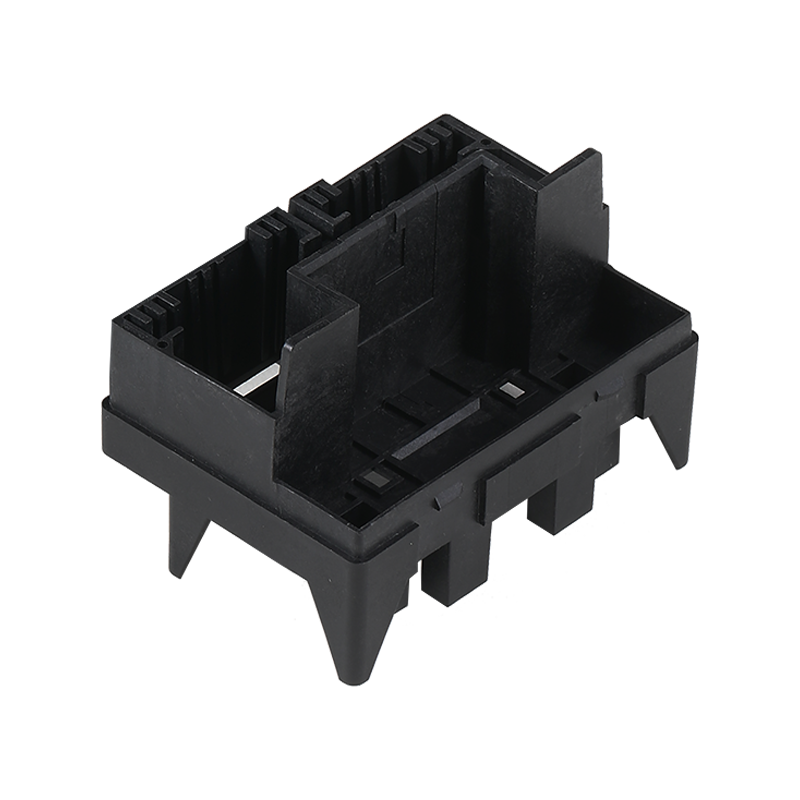
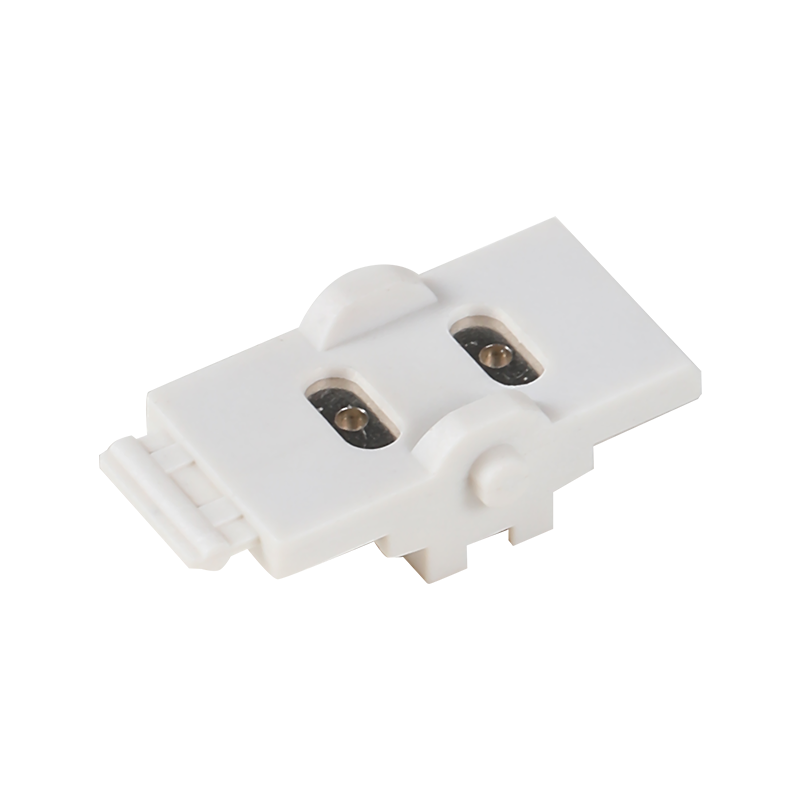
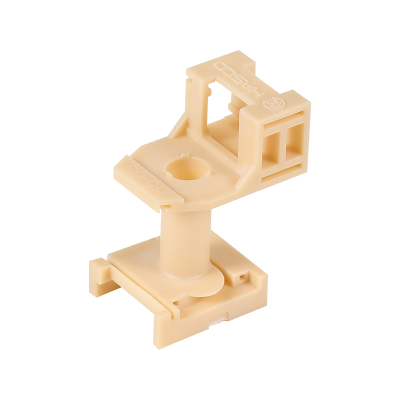
A factory producing its own energy relay component housings and internal assemblies controls both the plastic housing tolerance and the internal clearance between contacts, and this clearance is more critical on a high-voltage part than on a standard low-voltage relay, since inadequate spacing risks internal arcing across surfaces that were never meant to carry current. Quality control on a batch of this energy relay component destined for EV battery management system integration typically includes dielectric withstand testing well beyond the component's rated voltage, since this margin is what protects against transient voltage spikes that occur during real battery pack operation rather than steady-state conditions.
Customization and Certification for New Energy Programs
Buyers integrating an energy relay component into a new EV platform, energy storage cabinet, or solar inverter design often need a modified coil voltage, a specific mounting configuration, or a customized terminal layout to match an existing PCB or busbar design. A factory that builds these adjustments into its standard tooling and production sequence, rather than treating each request as a separate engineering project, tends to hold consistent quality control across the customized run and can quote realistic lead times for a program tied to a vehicle or product launch date. Certification relevant to the target application, whether that involves automotive electrical standards, renewable energy equipment standards, or grid interconnection requirements, should be confirmed and documented before a bulk order of the energy relay component is placed, since a supplier able to produce this documentation without delay generally reflects the same rigor applied to the component's actual switching performance.