English
 中文简体
 русский


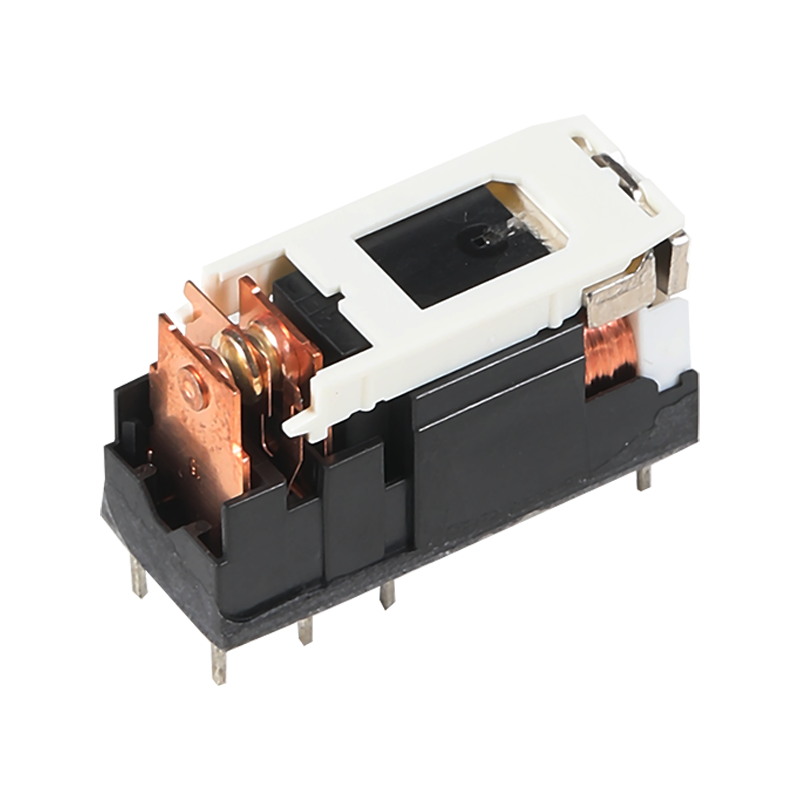
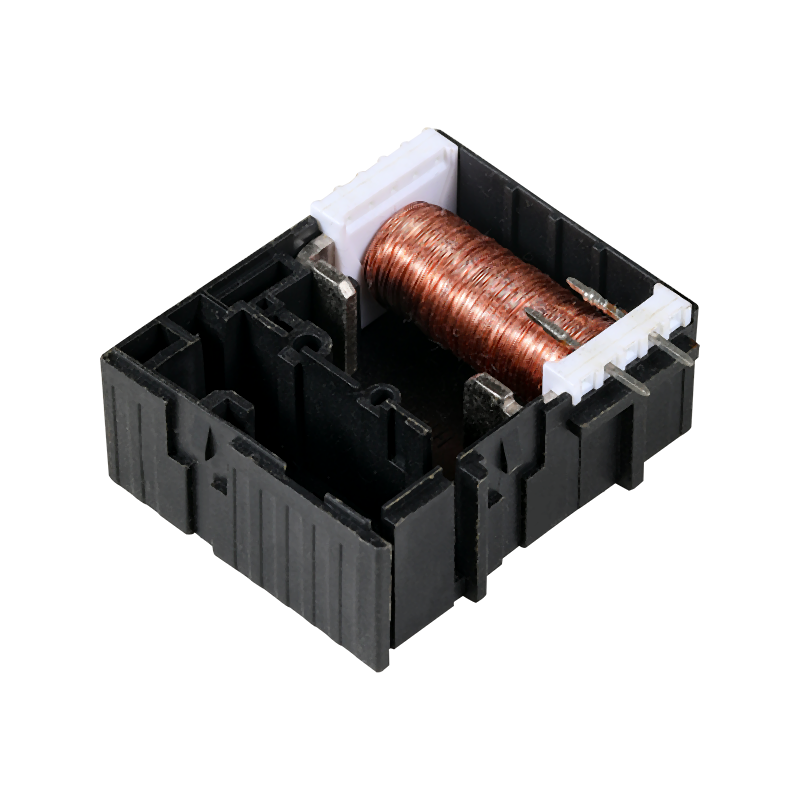
A standard relay needs continuous coil current to stay in its switched position, and the moment that current stops, a spring pulls the contacts back to their default state. Magnetic latching relay components work differently. A short pulse moves the contacts to a new position, a small permanent magnet holds them there, and no further current is needed until the next pulse arrives to switch the latching relay component back. That single change in behaviour opens up applications where continuous coil power is a real cost, not just a convenience.
What the magnet replaces
Inside a conventional relay, the spring returning the contacts to their rest position needs the coil to keep working against it for as long as the relay stays in its switched state. Magnetic latching relay components remove that ongoing demand by using a small permanent magnet built into the mechanism, positioned so it holds the armature in place once a pulse has moved it there. The coil only draws current during the brief moment of switching, and then goes idle until the next command arrives.
This changes what the relay needs from its power supply. A conventional relay holding its switched state for hours or days draws a small but constant current the whole time, which adds up across a large installation or a battery-powered device. A latching relay component drawing current only in short pulses uses a fraction of that energy over the same period, since there is no holding current to sustain between switching events.
Where the power saving matters
Battery-powered and remotely metered equipment are the clearest cases where this saving shows up in practice. A smart electricity meter that switches a load a few times a day, and otherwise sits idle between readings, benefits directly from a magnetic latching relay component that draws power only during those brief switching moments rather than holding a continuous drain the rest of the time. Magnetic latching relay components in this kind of application extend battery life or reduce the standby power draw of mains-powered equipment that still needs to minimise its overall consumption.
Solar and off-grid systems built around magnetic latching relay components share the same logic. Power available from a battery bank or a solar charge controller is often limited, and every device drawing a constant background current subtracts from what is available for the actual load. A magnetic latching relay component switching a circuit within such a system adds almost nothing to the standby draw, compared with a conventional relay holding the same switched state continuously.
Driving a latching relay correctly
Because a latching relay component only moves when it receives a pulse, the driving circuit has to supply that pulse at the right polarity and duration rather than simply holding a voltage on the coil the way a conventional relay expects. Reversing the pulse direction switches the relay back to its other state, so the control circuit needs logic to track which state the relay is currently in and send the correct pulse polarity for the next switch.
This is a different design requirement from a standard relay driver circuit for magnetic latching relay components, and it is worth confirming early in a design rather than discovering the mismatch once the board is built. A magnetic latching relay component dropped into a circuit built for a conventional relay's simple on-off drive will not behave correctly, since the coil needs a pulse rather than a sustained voltage, and the control logic needs a way to know the relay's present state before sending the next command.
Choosing between latching and conventional designs
Not every application benefits from the latching mechanism in magnetic latching relay components. Equipment that switches frequently, several times a minute, gains little from the standby power saving and instead adds complexity through the pulse-driven control logic that a conventional relay does not need. Magnetic latching relay components earn their place in applications where the relay holds one state for a long stretch of time between switching events, which is exactly the pattern seen in metering, remote monitoring and off-grid power control.
Buyers evaluating magnetic latching relay components for a new design can weigh the switching frequency and the power budget of the application together, since these two factors point clearly toward one relay type or the other. Magnetic latching relay components chosen for the right application remove a continuous power draw that a conventional relay would otherwise carry for as long as the circuit stays in its switched state.