English
 中文简体
中文简体 русский
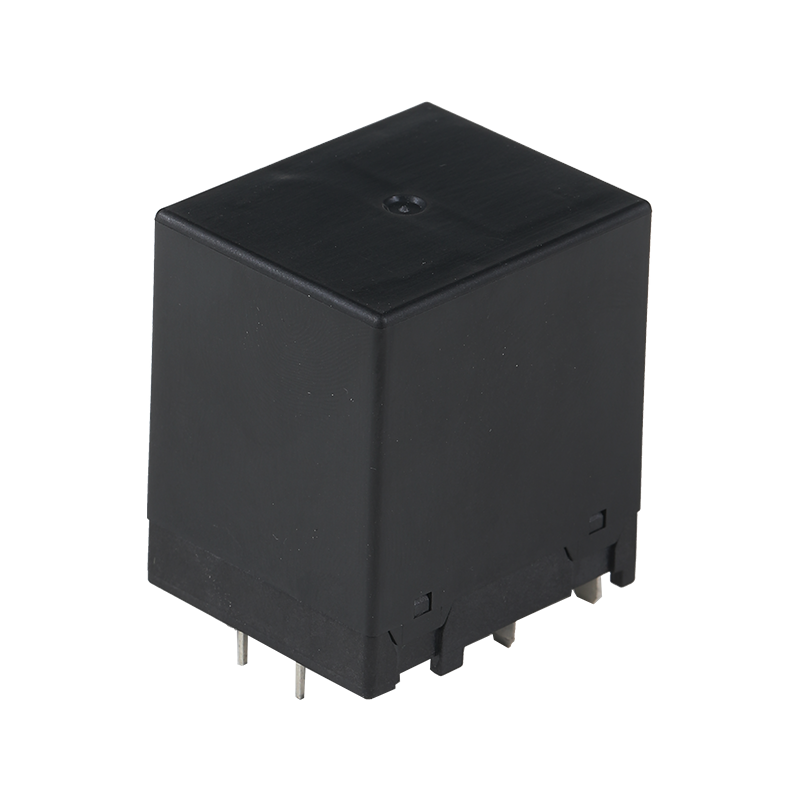
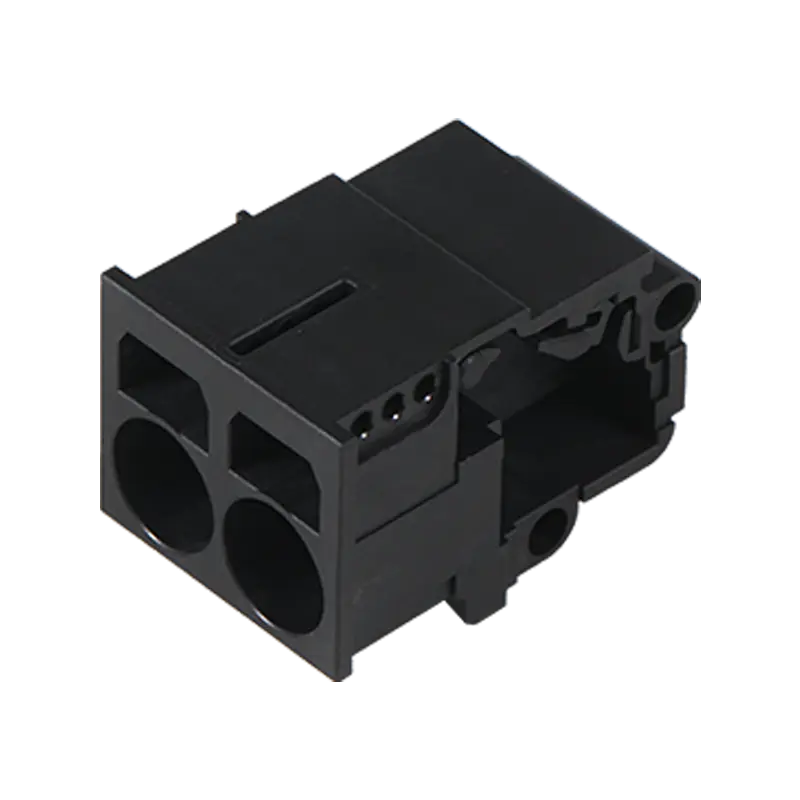
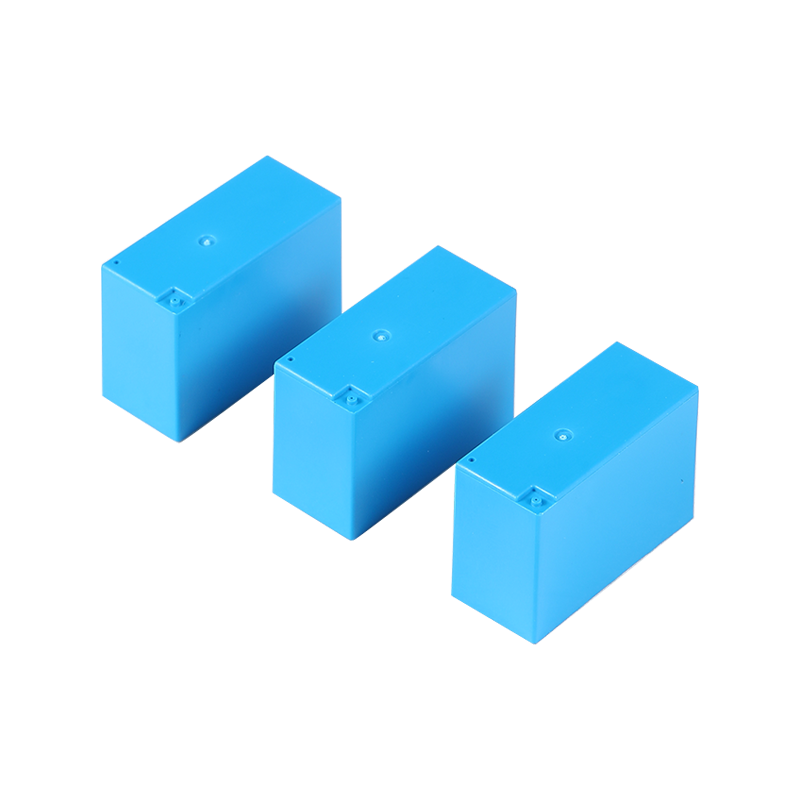
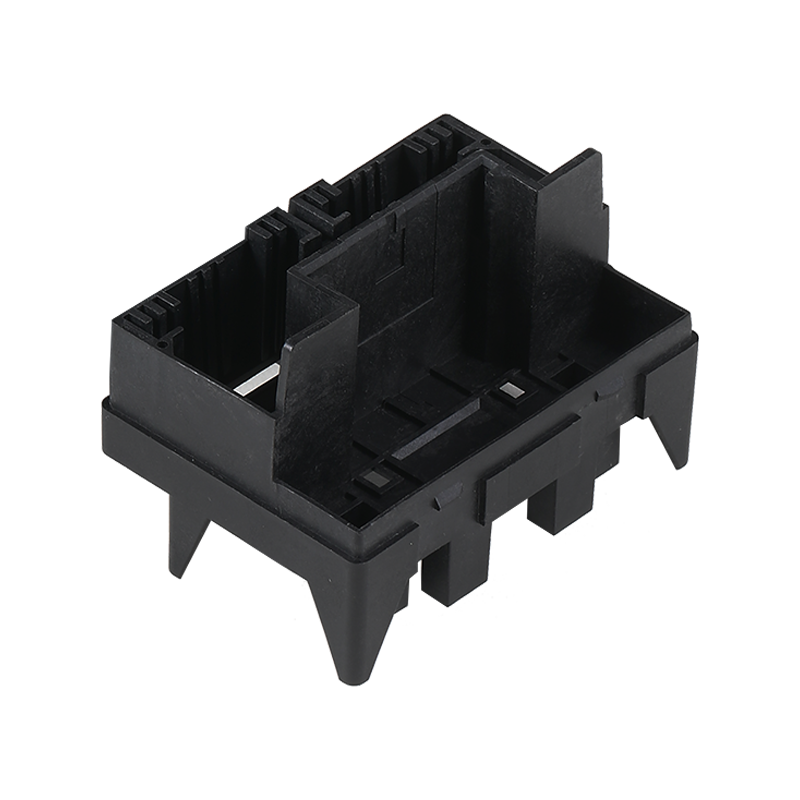
A relay socket base looks like a simple molded block from the outside, but the metal terminal pins running through it have to sit embedded in the plastic with a precision that a general-purpose plastic mold was never built to hold. Customized mold for relay socket production works around this specific requirement, since the tooling has to position and secure conductive terminals inside an insulating body during the molding process itself rather than adding them as a separate assembly step afterward. A factory sourcing an off-the-shelf mold rather than a customized mold for relay socket application typically discovers this gap only once pin misalignment starts showing up in early production samples.
Insert Molding Terminal Pins Requires Precise Fixturing
Insert molding terminal pins into a relay socket base means holding each metal terminal in exact position inside the mold cavity while molten plastic flows around it, and any drift in that positioning during the shot shows up as a misaligned pin once the part cools and ejects. A customized mold for relay socket production has to include fixturing built specifically for the pin geometry and spacing of a given relay series, since a fixture designed for one pin layout rarely transfers cleanly to a different terminal configuration without rework. Zhejiang Huateng Electronic Co.,ltd. develops this fixturing alongside the cavity design itself, treating pin placement accuracy as a core specification rather than a detail addressed after the mold is already built.
Relay Socket Clip Mechanism Tolerance Affects Long-Term Retention
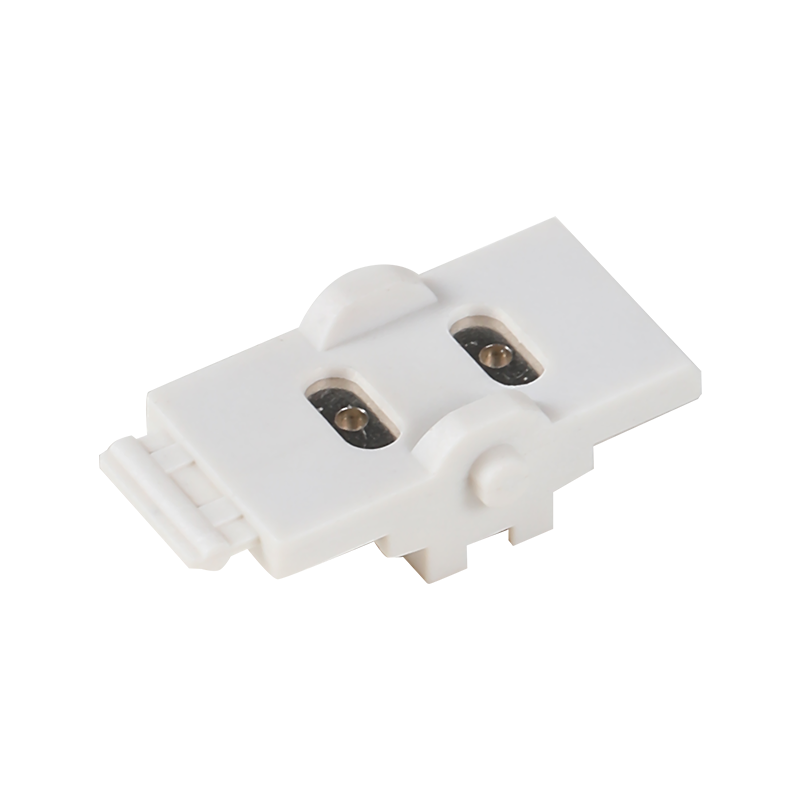
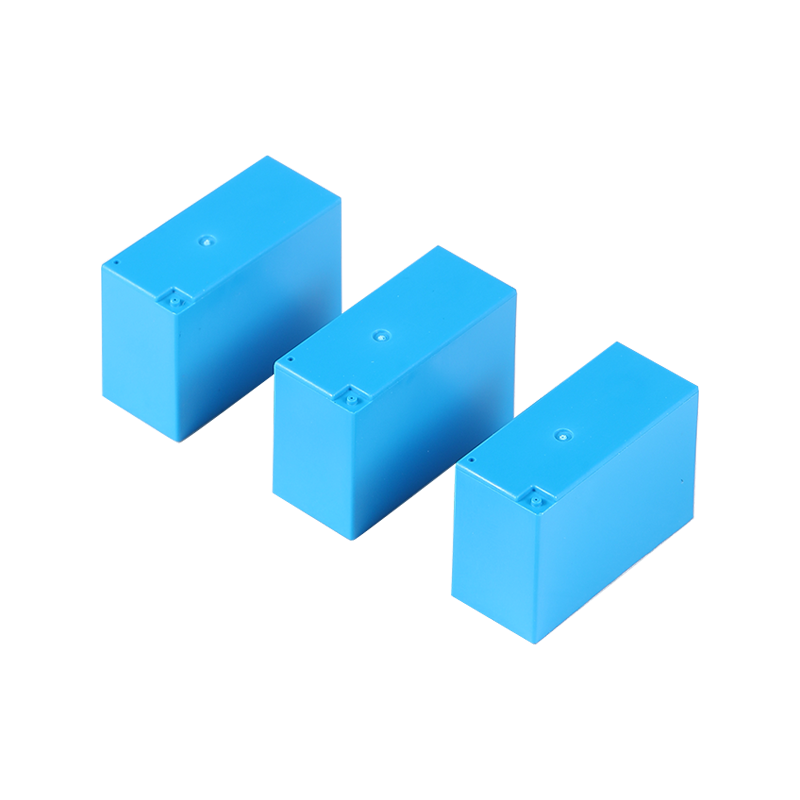
A relay socket clip mechanism has to hold a relay firmly in place through vibration and repeated insertion and removal cycles over the socket's service life, and this retention depends on the clip geometry being molded to a tolerance tight enough to maintain spring tension without becoming brittle or prone to cracking. A customized mold for relay socket production run needs the clip cavity finished to this tolerance consistently across every cavity in a multi-cavity tool, since a clip molded slightly out of specification in even one cavity produces sockets with noticeably weaker retention than the rest of the batch. Buyers sourcing socket tooling for a new relay platform should confirm how clip tolerance is verified across a full production run rather than only on an initial sample pulled from a single cavity.
Multi-Cavity Tooling Balances Volume Against Consistency
A customized mold for relay socket production line built around multi-cavity tooling produces higher volumes per cycle than a single-cavity tool, but every additional cavity introduces another point where pin fixturing, clip geometry, and cooling channel layout all have to match the reference cavity exactly. Zhejiang Huateng Electronic Co.,ltd. runs coordinate measuring checks across cavities specifically to catch this kind of drift before it reaches full production volume, since a multi-cavity mold that looks correct in an early trial can still develop cavity-to-cavity variation once the tool has been running for an extended period.
Material Selection Matches the Socket's Working Environment
A relay socket base molded from a rigid engineering plastic such as PA66 or PBT holds its shape and terminal retention through the temperature swings and vibration typical of an automotive or industrial installation, while a lower-grade resin can soften or creep slightly under sustained heat near an engine bay or electrical cabinet. A customized mold for relay socket project should specify resin grade based on the actual installation environment the socket will see in service, since a mold cut correctly still produces an underperforming part if the resin behind it wasn't matched to the application's thermal and mechanical demands.
Development Timeline and Bulk Supply for OEM Programs
Buyers commissioning a customized mold for relay socket platform tied to a new relay design should plan for a development and trial period before the tool reaches full production readiness, since pin fixturing and clip tolerance both typically require iterative adjustment across several trial shots rather than working correctly right out of the gate. Zhejiang Huateng Electronic Co.,ltd. coordinates this tooling development alongside its broader relay and connector manufacturing, and buyers should confirm production capacity and lead time for the finished socket components once the tool itself has cleared trial approval.