English
 中文简体
中文简体 русский
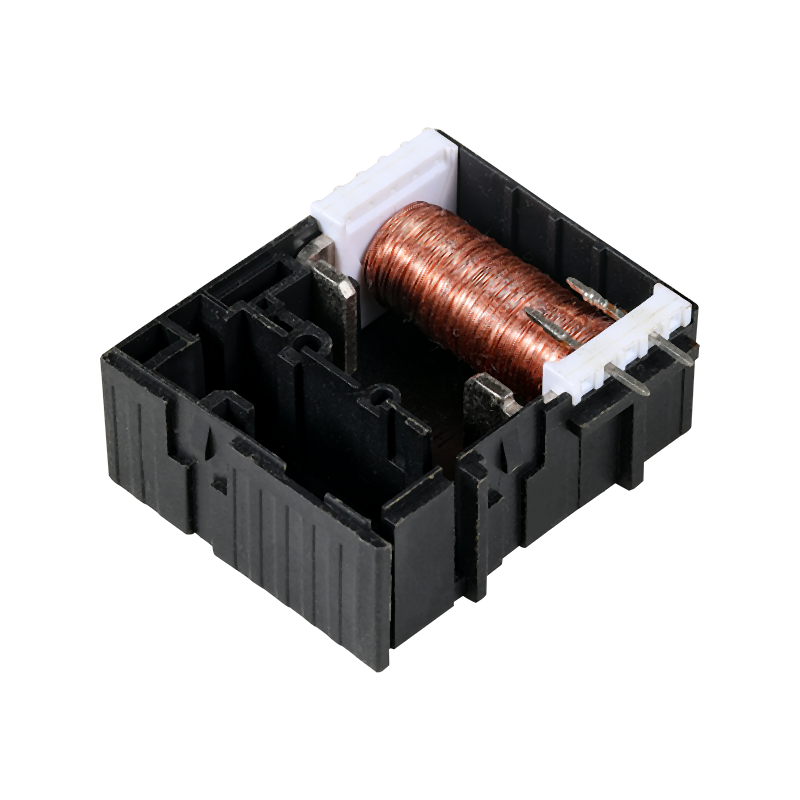

A rigid plastic housing and a soft rubber-like seal come out of very different tooling, even when both parts end up assembled into the same connector or relay. Rigid resins fill a cavity and hold their shape almost immediately after cooling, while elastomeric materials flow differently, shrink at a different rate, and need a path for trapped air to escape before the material fully sets. Custom soft plastic molds built around these properties look similar to standard injection tooling from the outside, but the cavity geometry, venting layout, and ejection system underneath are engineered around a material that behaves nothing like standard ABS or PC. A cavity designed the same way for both materials will run one of them poorly, which is why soft-material tooling gets treated as its own discipline rather than a variant of standard mold work.
Cavity Design Accounts for How Elastomers Flow and Shrink
Mold flow analysis plays a larger role in developing custom soft plastic molds than it does for rigid plastic tooling, since predicting how a softer, more viscous material fills a cavity helps position gates and vents before a physical tool is ever cut. Zhejiang Huateng Electronic Co.,ltd. runs this simulation stage ahead of machining, mapping how the material moves through the cavity and flagging where trapped air tends to collect along thin sealing lips or narrow rib sections common in connector gaskets and cable boots. Getting the vent placement right at this stage carries directly into how consistently a finished custom soft plastic molds part demolds and how clean the parting line looks once the tool is running in production.
Wire EDM Reaches Detail Standard Milling Can't Cut
Fine cavity features on custom soft plastic molds — narrow grooves, sharp internal corners, thin sealing ribs — often go beyond what a standard milling cutter can access cleanly. Wire EDM cavity finishing removes material through spark erosion rather than physical cutting force, which lets a thin wire trace intricate profiles with a precision measured in microns rather than millimeters. Zhejiang Huateng Electronic Co.,ltd. pairs this wire-cutting capability with electric spark machining for cavity sections that call for a different electrode approach, and every finished cavity passes through coordinate measuring equipment that checks dimensional accuracy against the original mold flow model before the tool moves into trial runs. This inspection step matters as much for a soft-material cavity as it does for a rigid one: a cavity dimension that drifts even slightly changes the compression set of the finished rubber or silicone part.
Soft Tooling Supports Sealing Components Across the Product Line
Custom soft plastic molds feed directly into the sealing and cushioning components used across Zhejiang Huateng Electronic Co.,ltd.'s connector and relay housings, including gaskets, grommets, and rubber clamp bodies that keep moisture and vibration away from internal contacts. A silicone connector seal mold built for this kind of part has to reproduce a consistent compression profile across the full sealing surface — an uneven seal thickness in even one section of the gasket changes how the part performs once it is compressed against a mating housing. Building the mold and the finished part under one engineering team, rather than handing the project between separate departments, keeps the cavity geometry and the actual sealing performance tied together from the earliest design review onward.
Mold Development Fits Inside a Broader Production Schedule
The mold processing division at Zhejiang Huateng Electronic Co.,ltd. runs at a capacity of roughly fifty mold pairs a month, a volume built to support both new tool development and the ongoing maintenance a soft-material mold needs across its working life. Buyers developing a new connector or relay component with a custom sealing profile can move from mold flow simulation through wire EDM cavity work and into sample trials without switching suppliers between the tooling stage and the finished part, since both sit inside the same production facility. That continuity shapes how a custom soft plastic molds project moves from initial design through to a validated production tool, with the same engineering team overseeing the cavity work and the parts it eventually produces.