English
 中文简体
中文简体 русский

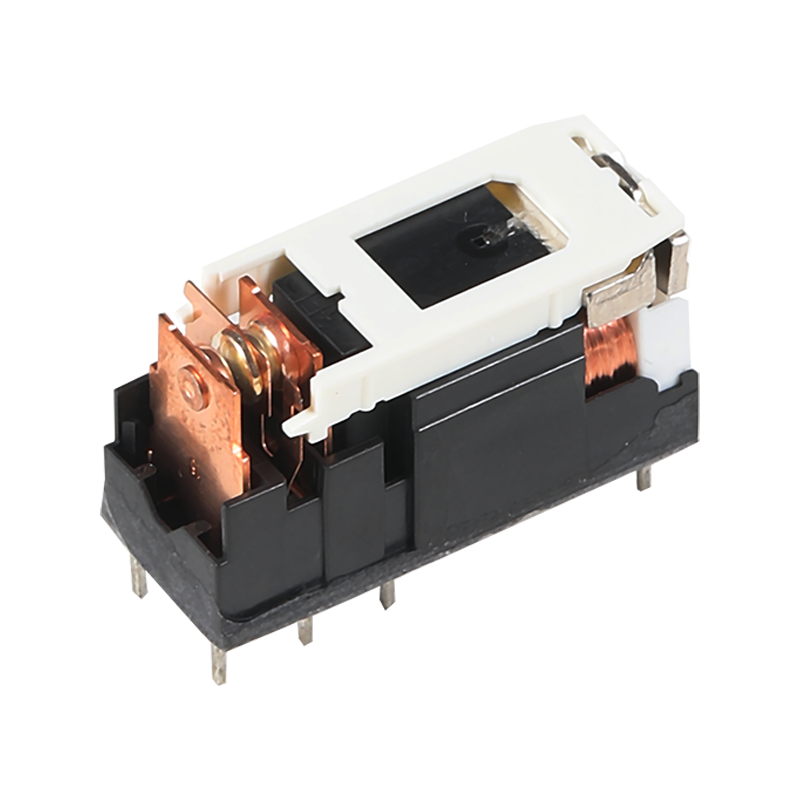
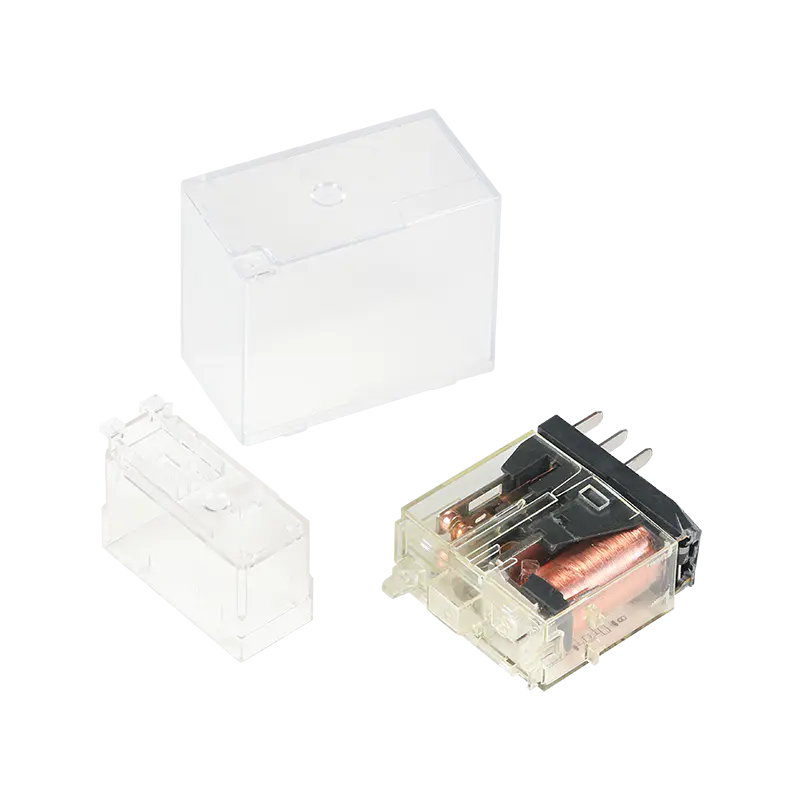
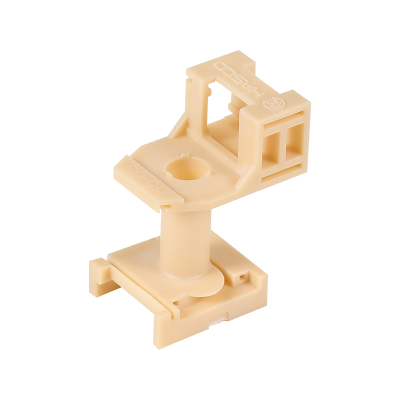
Ten years ago, many connectors inside industrial equipment still had relatively large structural margins. Small dimensional differences during molding or stamping usually did not create immediate performance problems.
That situation changed quietly as electronic products became smaller and transmission speeds increased.
Today, an electronic board connector design may contain extremely compact pin spacing, thinner plastic walls, and higher signal density than older connector systems ever needed to handle. Under these conditions, even tiny dimensional variation starts affecting contact stability much earlier.
In many modern devices, the connector is no longer just a simple electrical bridge.
It becomes part of the signal system itself.
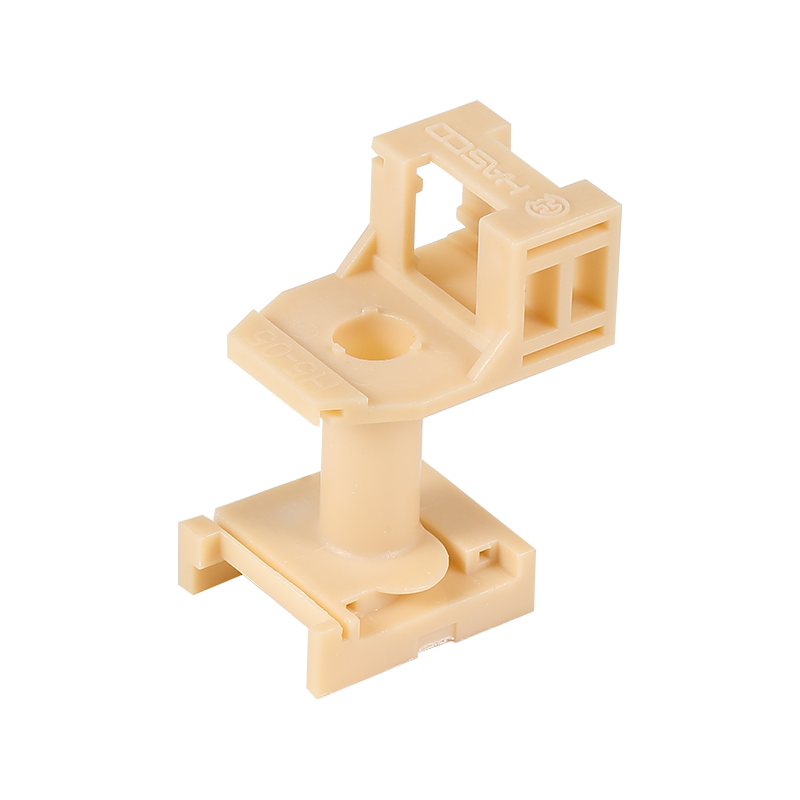
Smaller Pitch Increased Manufacturing Pressure
One obvious trend inside the electronic board connectors industry is miniaturization.
Board space inside communication equipment, automotive electronics, industrial control modules, and AI hardware continues shrinking. Connector manufacturers therefore push pin spacing smaller and smaller to increase channel density.
The problem is that tighter pitch also reduces manufacturing tolerance margins.
A small dimensional shift that once caused no issue may now affect:
- pin alignment
- insertion stability
- solder positioning
- contact pressure
- signal consistency
This becomes especially difficult during mass production because millions of terminals must remain mechanically consistent across long production cycles.
Actually, the connector industry became much more dependent on precision tooling than many outside the field realize.
Plastic Shrinkage Quietly Changes Contact Stability
Most people focus on the metal terminals when discussing electronic board connectors.
Inside factories, the plastic housing often creates just as many engineering challenges.
Connector housings are usually molded from high-temperature engineering plastics. During cooling, those materials shrink slightly after injection molding. The shrinkage itself is normal, but controlling it consistently across miniature structures becomes increasingly difficult.
Once the housing dimensions change unevenly, terminal positioning shifts together with it.
That can later influence insertion feel or electrical contact behavior during assembly.
Factories therefore spend large amounts of time adjusting mold temperature, cooling balance, and injection pressure to keep dimensional variation stable.
Sometimes the connector problem starts from the plastic long before the metal contact fails.
High-Speed Signals React To Tiny Structural Changes
Older low-frequency systems tolerated imperfect contact behavior relatively well.
Modern electronic board connectors used in high-speed transmission environments behave differently. At higher frequencies, signal integrity becomes much more sensitive to structural inconsistency inside the connector itself.
Even slight variation around terminal spacing may influence:
- impedance balance
- signal reflection
- insertion loss
- electromagnetic interference
- crosstalk between channels
This is why connector geometry now receives far more simulation analysis than before.
The connector is no longer treated as electrically invisible.
Its physical structure directly affects transmission performance in high-density electronic systems.
Terminal Stamping Precision Became More Important
Inside an electronic board connectors assembly, the metal terminal usually starts as stamped copper alloy material.
As connector sizes shrink, stamping accuracy becomes much more difficult to maintain consistently. Extremely thin terminals are sensitive to deformation during high-speed stamping operations, especially around the contact zone.
If terminal shape changes slightly, insertion force and contact pressure shift together with it.
Over time, unstable contact pressure may increase resistance or reduce connection reliability under vibration conditions.
This becomes particularly important in:
- automotive electronics
- industrial automation
- server equipment
- communication hardware
- portable smart devices
Mechanical precision now affects electrical stability much more directly than before.
SMT Assembly Introduced New Stress
Many electronic board connectors now use surface-mount structures instead of traditional through-hole assembly.
SMT production improves automation efficiency, but it also introduces thermal stress during solder reflow processes. High temperatures slightly affect both the connector housing and the terminal structure during PCB assembly.
In miniature connectors, even small thermal movement may influence coplanarity.
If terminal height consistency changes too much, solder joints become unstable after assembly. Some connection failures blamed on poor soldering actually begin from connector dimensional variation earlier in the process.
That is why connector suppliers often test thermal stability repeatedly before approving mass production.
Gold Plating Thickness Still Matters
Although connector structures became more complex, contact surface quality still remains critical inside electronic board connectors.
Thin plating layers may pass initial electrical testing without obvious problems. After repeated insertion cycles or long-term environmental exposure, however, contact oxidation risk increases gradually.
High-frequency systems are especially sensitive to contact surface degradation because stable conductivity becomes more important as transmission speeds increase.
Factories therefore balance plating thickness carefully against:
- insertion durability
- production cost
- wear resistance
- conductivity stability
- long-term reliability
Actually, many premium connectors cost more not because of appearance, but because maintaining stable contact surfaces at miniature scale becomes increasingly difficult.
Connector Precision Quietly Supports Modern Electronics
Most users never see the electronic board connectors hidden inside communication devices, industrial systems, or automotive modules.
Yet modern electronics depend heavily on these tiny structures maintaining stable mechanical and electrical performance over long periods.
As electronic products continue becoming smaller and faster, connector manufacturing has gradually shifted from ordinary component production toward precision engineering.
The challenge is no longer simply making terminals conduct electricity.
It is keeping microscopic structures stable enough to support high-density electronic systems where even tiny tolerance variations can influence overall performance.