English
 中文简体
中文简体 русский
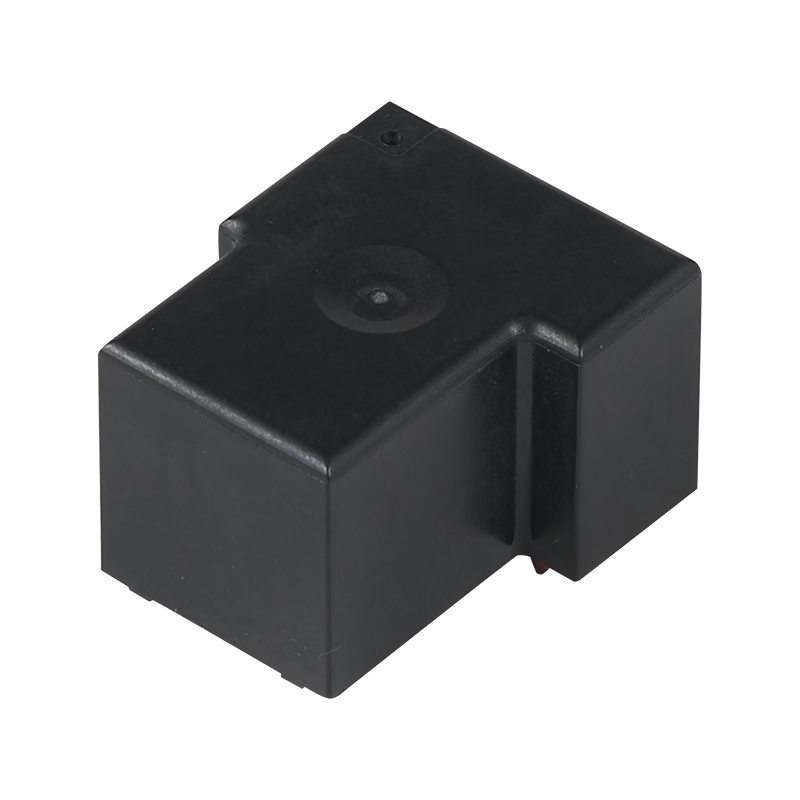
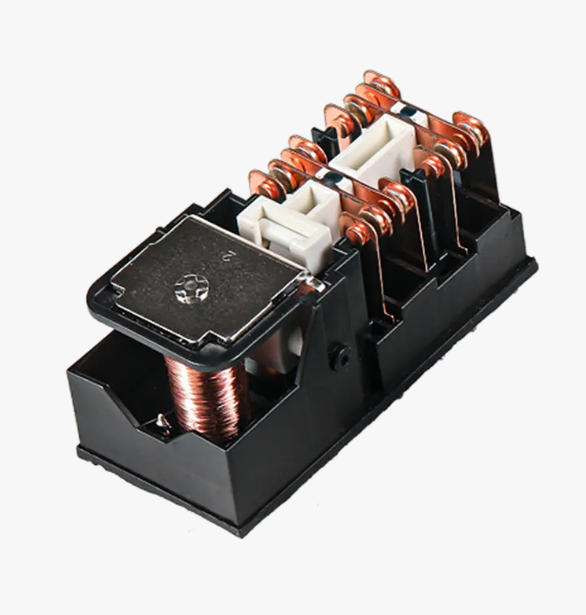
When a relay system stops working, many people immediately suspect the relay itself.
Inside actual industrial equipment, however, failures around a relay module board often begin somewhere else entirely. The relay may still switch normally while surrounding heat, solder stress, or PCB layout problems quietly reduce the overall stability of the module.
As electronic control systems become more compact, the relay is no longer operating alone.
The entire board structure now affects long-term reliability.
That is why modern relay module manufacturing involves much more than simply mounting relays onto a PCB.
Heat Accumulation Became More Difficult To Ignore
One common issue inside a relay module board is localized heat buildup.
Relays naturally generate heat during repeated switching cycles, especially in high-current environments. Years ago, larger control systems often had enough empty space around components for heat to dissipate relatively easily.
Modern compact modules changed that situation.
As boards became smaller, relay spacing tightened and surrounding components moved closer together. Once airflow decreases, thermal concentration starts affecting nearby solder joints and PCB materials gradually over time.
The relay itself may still function correctly while the board experiences:
- solder fatigue
- copper discoloration
- terminal oxidation
- PCB warping
- insulation aging
Actually, many long-term stability problems begin from thermal stress rather than mechanical relay failure.
PCB Layout Quietly Influences Stability
A relay module board is heavily affected by PCB trace design.
Current flow through the board creates heat distribution patterns that are not always obvious during early product development. Thin copper traces may pass electrical testing initially but later experience temperature rise under continuous load conditions.
This becomes especially noticeable around:
- high-current outputs
- switching paths
- terminal blocks
- relay coil areas
- shared ground sections
Poor layout design sometimes causes voltage instability or signal interference long before the relay itself reaches its switching lifespan limit.
Factories producing industrial relay modules therefore spend significant time optimizing copper thickness and current routing rather than focusing only on relay specifications.
Solder Joints Often Age Before The Relay
Inside a relay module board, the solder joints experience constant thermal expansion and contraction during operation.
Every switching cycle creates slight temperature variation across the PCB. Over time, repeated heating gradually weakens microscopic solder structure around heavy components.
Large relays create additional mechanical stress because their weight concentrates pressure during vibration or transportation.
This is why industrial modules sometimes develop intermittent failures where the relay appears functional but electrical continuity becomes unstable under movement conditions.
The problem is especially common in environments involving:
- machinery vibration
- transportation systems
- industrial automation
- outdoor electrical cabinets
- frequent switching cycles
Actually, solder fatigue became a larger reliability concern as electronic systems became more compact and densely assembled.
Terminal Connections Create Hidden Resistance
Many relay module board failures are traced back to external wiring connections rather than internal relay defects.
Loose terminal pressure, oxidation, or unstable cable fastening gradually increase contact resistance over time. Once resistance rises, localized heating develops around the terminal area itself.
This heat may slowly damage surrounding PCB sections even though the relay still switches correctly.
In industrial environments, dust, humidity, and temperature cycling accelerate this process further.
Factories therefore increasingly focus on terminal structure design because connection reliability now affects module lifespan almost as much as relay quality itself.
Switching Frequency Changed Relay Stress Conditions
Traditional relay systems often switched relatively slowly.
Modern relay module board applications sometimes operate under much higher switching frequencies, especially in automated control systems and smart electronic equipment. Faster cycling increases thermal fluctuation across both the relay coil and PCB simultaneously.
Under continuous operation, repeated switching affects:
- coil temperature
- contact wear
- PCB thermal cycling
- solder expansion
- electromagnetic interference
The relay may technically remain within specification while surrounding board materials experience accelerated aging from constant operational stress.
This is one reason industrial relay module design became much more system-oriented than before.
EMI Problems Became More Noticeable
As electronic devices became more sensitive, electromagnetic interference around a relay module board started receiving more engineering attention.
Relay switching naturally creates transient electrical noise. In compact PCB layouts, that noise sometimes influences nearby signal circuits if grounding and isolation are not designed carefully.
This becomes particularly important in:
- communication equipment
- automotive electronics
- smart control systems
- industrial sensors
- programmable controllers
Actually, some relay boards fail certification testing not because the relay is defective, but because PCB layout and shielding do not manage switching interference properly.
The board structure itself increasingly affects electromagnetic behavior.
Module Reliability Depends On The Entire System
Most users only notice whether the relay module board works or fails.
Inside manufacturing environments, however, long-term reliability depends on many smaller details working together consistently. Relay quality still matters, but PCB layout, solder stability, terminal connections, heat management, and switching conditions now influence performance just as heavily.
As control systems continue shrinking while handling higher electrical loads, relay modules face more demanding operating conditions than older industrial designs ever encountered.
That is why modern relay board production gradually moved beyond simple component assembly.
The challenge today is maintaining stable operation across the entire electrical structure surrounding the relay itself.