English
 中文简体
中文简体 русский
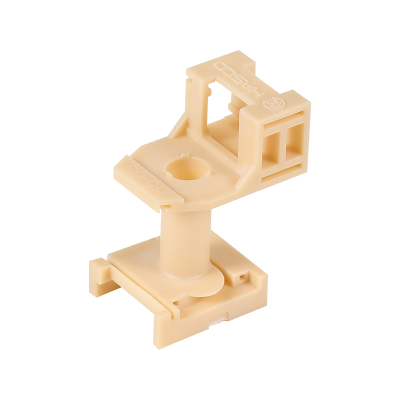
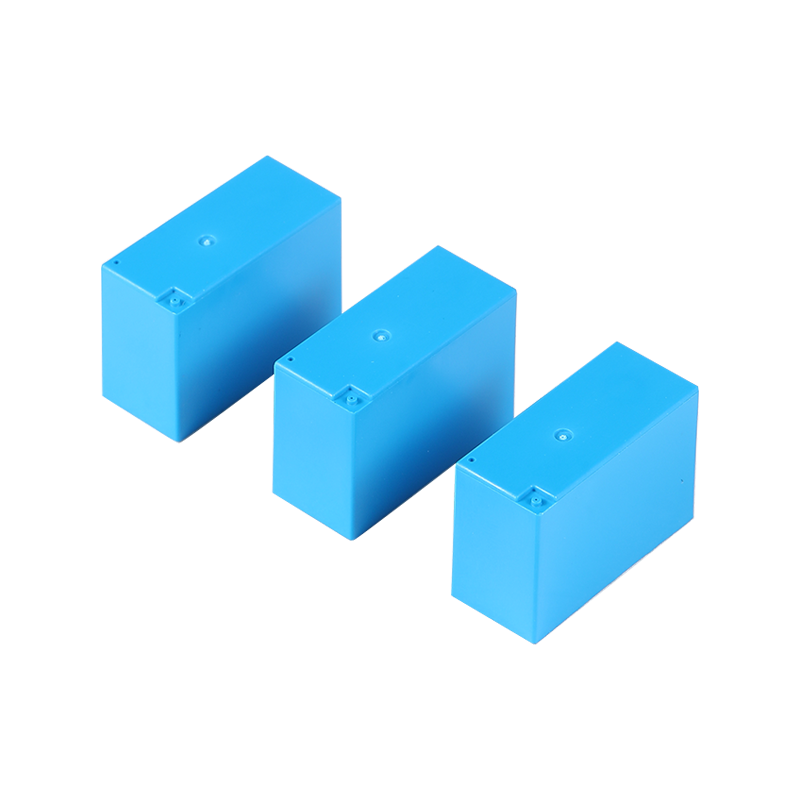
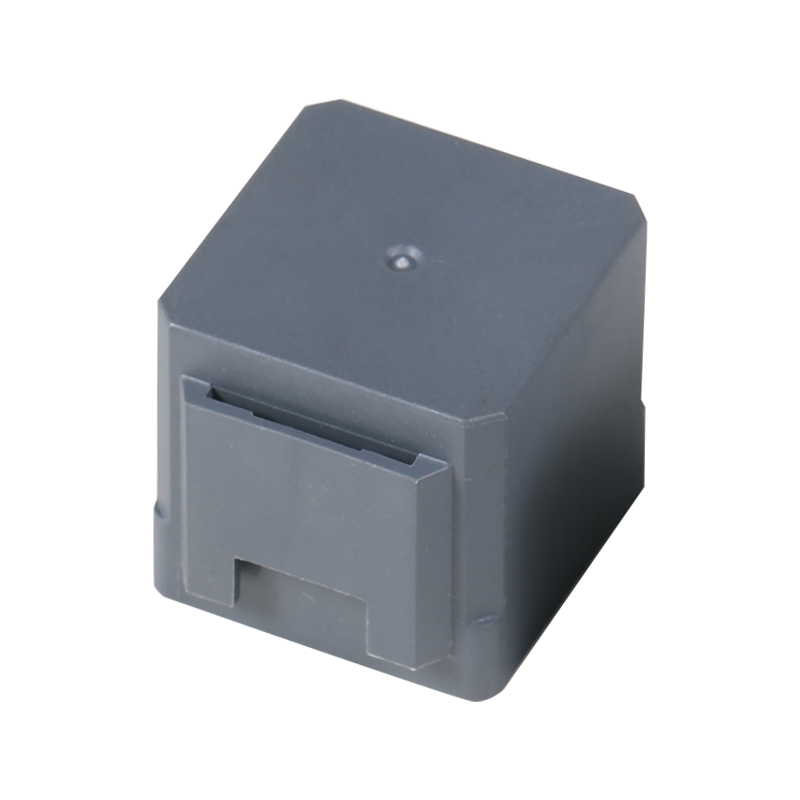
The global manufacturing ecosystem is deeply reliant on the mass production of precise, durable, and complex plastic components. At the heart of this capability lies the Plastic Injection Mold Factory, a specialized industrial facility dedicated to the design, engineering, and fabrication of the custom tooling that makes high-volume plastic part production possible. These factories are not mere machine shops; they are centers of advanced engineering where digital design, metallurgy, precision machining, and process knowledge converge. The output of a Plastic Injection Mold Factory—the injection mold—is a high-value capital good that directly determines the quality, cost, and speed of manufacturing for countless products across automotive, consumer electronics, medical devices, packaging, and consumer goods industries.
The core mission of a Plastic Injection Mold Factory is to transform a part design into a functioning, hardened steel tool. This process begins with sophisticated computer-aided design (CAD) and engineering (CAE), where mold designers plan every detail: the cavity and core that form the part's shape, the runner system to deliver molten plastic, the cooling channels to solidify the part efficiently, and the ejection system to remove the finished piece. Following design, the factory's workshop employs a suite of high-precision computer numerical control (CNC) machining centers, electrical discharge machining (EDM) equipment, and deep-hole drilling machines to cut the mold from blocks of hardened or pre-hardened tool steel. Skilled mold makers then perform bench work—polishing, fitting, and assembling the many components—before the completed mold undergoes rigorous sampling and testing on an injection molding machine to verify it produces parts to specification.
Modern trends are reshaping the operations and offerings of a forward-thinking Plastic Injection Mold Factory. There is increasing demand for faster turnaround times, pushing factories to adopt rapid prototyping technologies and parallel processing in design and machining. The use of additive manufacturing, or 3D printing, is a growing innovation, particularly for creating conformal cooling channels. These are complex internal waterways that follow the contour of the mold cavity, enabling more uniform cooling than traditional drilled lines, which significantly reduces cycle times and improves part quality. Furthermore, as products become more complex, the Plastic Injection Mold Factory must master technologies for producing molds with intricate actions—using slides, lifters, and unscrewing mechanisms—to form parts with undercuts and internal threads automatically.
The strategic importance of a Plastic Injection Mold Factory extends beyond toolmaking. It often serves as a crucial development partner for its clients. Engineers from the factory collaborate with product designers in the early stages to ensure the part is designed for manufacturability (DFM), suggesting modifications that can drastically reduce tooling complexity and production cost without compromising function. This consultative role adds immense value, helping to bring products to market faster and more efficiently. A capable Plastic Injection Mold Factory also provides ongoing technical support, managing mold maintenance, repair, and modifications throughout the tool's lifecycle, which can span millions of production cycles.
The future of the Plastic Injection Mold Factory is digital and connected. The integration of full digital twin technology—where a virtual replica of the mold simulates performance under various production conditions—will become more prevalent, optimizing designs before manufacturing begins. As the demand for plastic components continues to grow and evolve, the Plastic Injection Mold Factory will remain an indispensable pillar of industrial production, continuously adapting its expertise in precision engineering to meet the challenges of next-generation manufacturing.