English
 中文简体
中文简体 русский
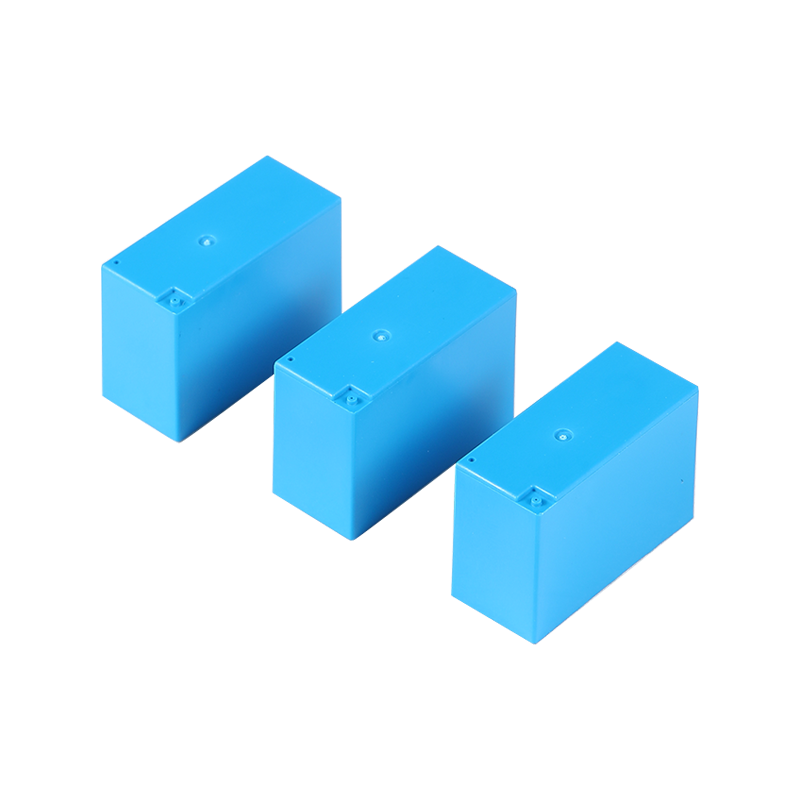
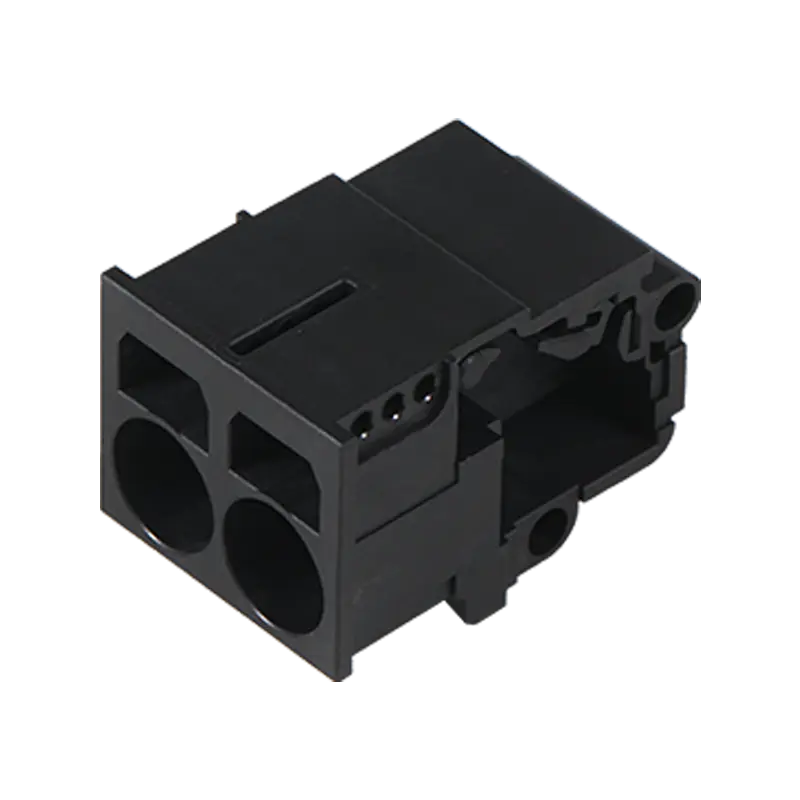
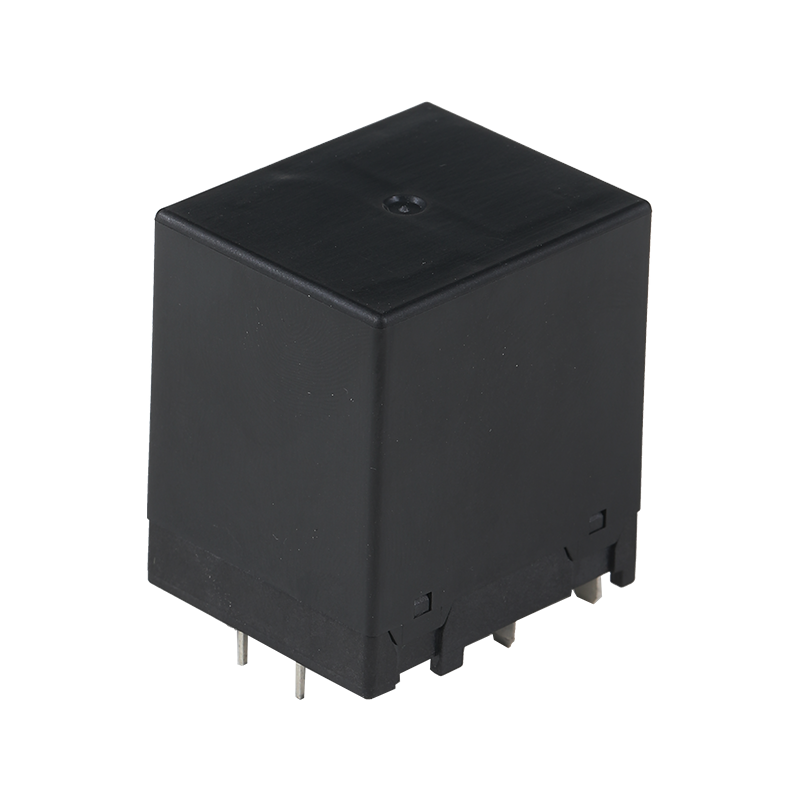
The global automotive manufacturing sector is undergoing a period of significant transformation, driven by trends toward vehicle electrification, lightweight construction, and increasingly sophisticated vehicle interiors. At the foundational level of this production chain, Auto Part Mold technology is experiencing parallel innovation and rising demand. These precision tools are critical for shaping the vast array of plastic, composite, and metal components that constitute a modern vehicle, from intricate interior trim and lighting assemblies to under-the-hood components and exterior body parts. The development and production of high-quality Auto Part Mold units represent a specialized field of engineering where precision, durability, and efficiency directly influence the quality, cost, and speed of automotive manufacturing.
The core function of an Auto Part Mold is to form raw material—most often molten plastic injected under high pressure—into a net-shape automotive component. The design and construction of these molds are exceedingly complex, requiring advanced CAD/CAM engineering, sophisticated simulation of material flow and cooling, and precision machining from hardened tool steels. A single Auto Part Mold for a large component like a bumper fascia or dashboard may weigh several tons and contain intricate networks of cooling channels, multiple moving slides and lifters to form undercuts, and highly polished surface finishes to achieve the desired aesthetic on the final part. The ability to produce an Auto Part Mold that can withstand millions of cycles while maintaining dimensional tolerances measured in microns is a testament to the high level of expertise and technology invested in this field.
Current market trends are exerting specific pressures and creating opportunities for Auto Part Mold manufacturers. The transition to electric vehicles (EVs) is generating demand for new types of components, such as battery housings, specialized cooling system parts, and unique interior elements, all of which require newly designed Auto Part Mold solutions. The industry-wide push for weight reduction is pilot to the increased use of innovative materials like long-fiber reinforced thermoplastics and new composite formulations, which in turn require Auto Part Mold designs adapted to these materials' distinct flow and curing characteristics.
The future trajectory of Auto Part Mold technology is closely linked to digitalization and advanced manufacturing processes. The adoption of additive manufacturing, or 3D printing, for creating conformal cooling channels within mold cores and cavities is a notable advancement. These complex, winding channels follow the contour of the mold surface more closely than drilled channels can, pilot to more uniform cooling, reduced cycle times, and improved part quality. Simulation software continues to become more predictive, allowing Auto Part Mold designers to virtually test and optimize designs for fill, pack, cooling, and warpage long before metal is cut, reducing development time and costly iterations.
The Auto Part Mold sector is a vital enabler of automotive innovation and manufacturing efficiency. As the industry navigates a shift toward new powertrains, materials, and consumer expectations, the capabilities of mold makers to deliver more intelligent, durable, and efficient tooling will be a key competitive factor. The ongoing integration of digital design, additive manufacturing, and data-driven optimization ensures that the humble Auto Part Mold will remain at the cutting edge of production technology, quietly but critically shaping the future of mobility one precision component at a time.