English
 中文简体
中文简体 русский
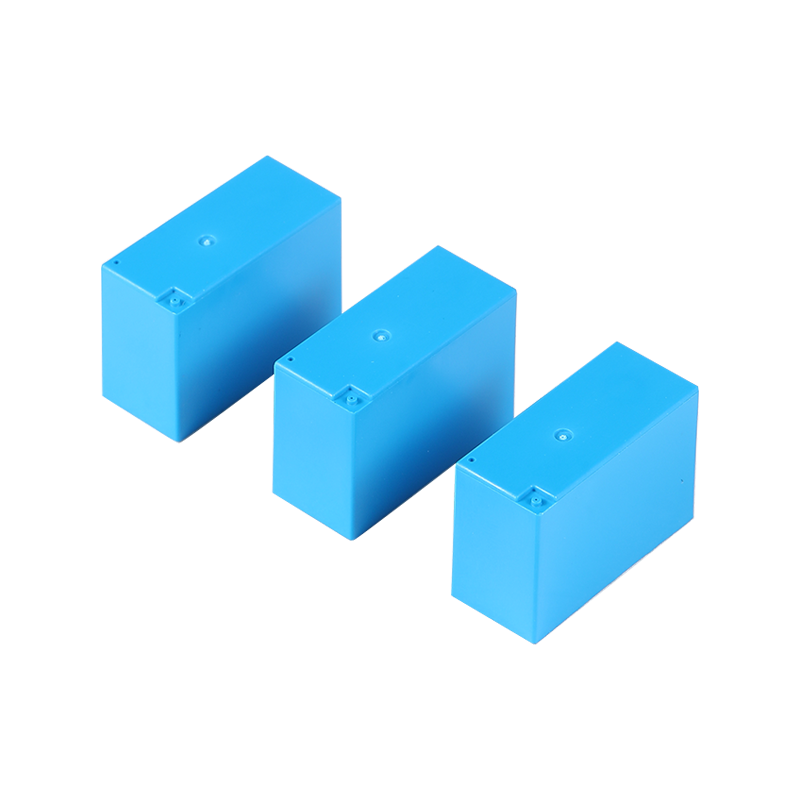
In the global manufacturing ecosystem, the plastic injection mold factory serves as a critical and specialized link in the supply chain, transforming design concepts into the precise tools needed for mass production. These facilities, dedicated to the engineering, machining, and finishing of injection molds, are experiencing a period of significant adaptation. Driven by technological advancements, shifting market demands, and a focus on efficiency, the modern plastic injection mold factory is evolving from a traditional machine shop into a hub of integrated engineering and digital manufacturing.
The core mission of any plastic injection mold factory is to produce the molds—typically made from hardened steel or aluminum—that define the shape, surface, and features of plastic parts. The process begins with advanced computer-aided design (CAD) and is realized through sophisticated computer-aided manufacturing (CAM) programming. Within the plastic injection mold factory, high-precision machinery such as CNC milling centers, electrical discharge machining (EDM) equipment, and deep-hole drilling machines work to create the complex cavities, cores, and cooling channels that constitute a finished mold. The skill and experience of toolmakers within the plastic injection mold factory remain paramount in achieving the required tolerances and surface finishes.
A prominent trend reshaping the plastic injection mold factory is the deepening integration of digital tools and automation. Simulation software is now routinely used to predict how plastic will flow and cool within a mold design long before steel is cut. This virtual testing, conducted within the digital framework of the plastic injection mold factory, helps optimize designs to prevent defects, reduce cycle times, and less material use, saving both time and physical resources. Furthermore, automation is increasing on the factory floor, with robotic systems handling mold components for machining and measurement, enhancing consistency and allowing skilled labor to focus on complex tasks.
The market pressure for faster turnaround times is profoundly influencing operations in a contemporary plastic injection mold factory. The demand for rapid prototyping and shorter product development cycles has led to the adoption of strategies like concurrent engineering, where mold design progresses in parallel with product design. To accelerate delivery, many facilities employ high-speed machining techniques and maintain inventories of pre-hardened mold bases. This focus on speed, however, must be balanced with the unwavering commitment to quality that defines a reputable plastic injection mold factory.
Sustainability considerations are also becoming more integrated into the operations of a forward-thinking plastic injection mold factory. This includes efforts to reduce energy consumption through efficient machinery and shop floor practices, recycling metal scraps, and employing cutting fluids with longer lifecycles. Some factories are also exploring the use of alternative mold materials or coatings that extend tool life, thereby reducing the frequency of mold replacement and its associated resource consumption.
The trajectory for the plastic injection mold factory points toward even greater digitization and connectivity. The concept of the "smart factory," where machines are interconnected and data is continuously analyzed to optimize production and predict maintenance needs, is becoming more relevant. Additive manufacturing (3D printing) is also finding a role within the plastic injection mold factory for creating conformal cooling channels or prototyping mold inserts. By embracing these innovations while maintaining core competencies in precision engineering, the plastic injection mold factory will continue to be an indispensable partner in transforming plastic resin into the myriad of products that define modern life.