English
 中文简体
中文简体 русский
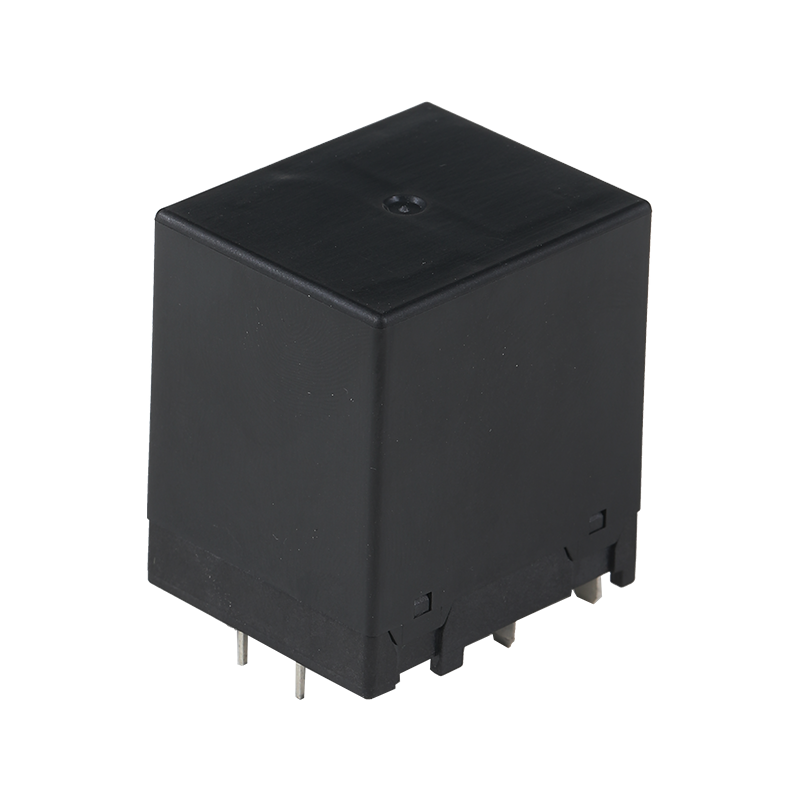
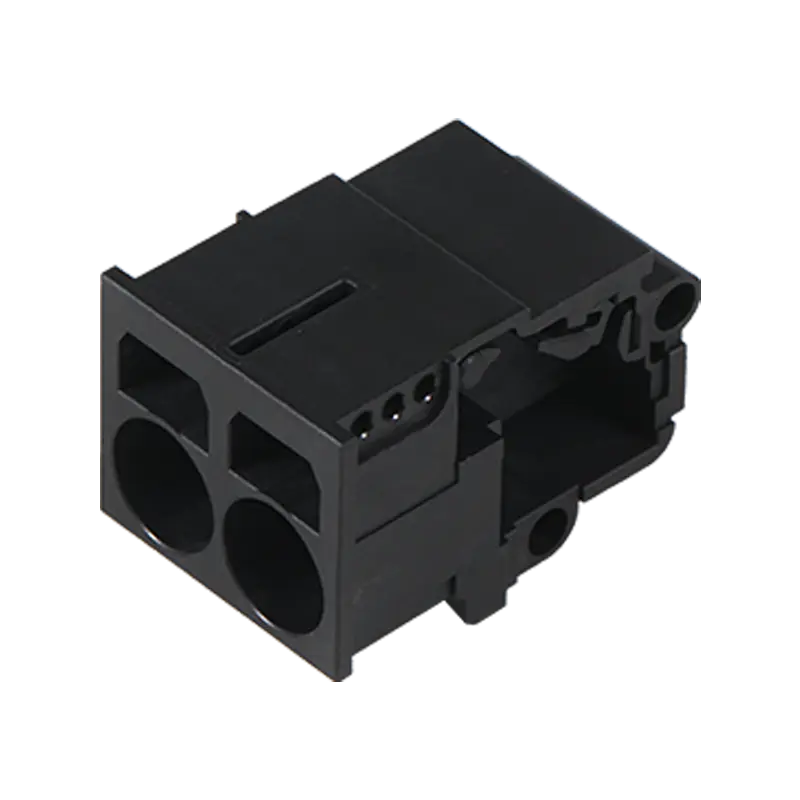

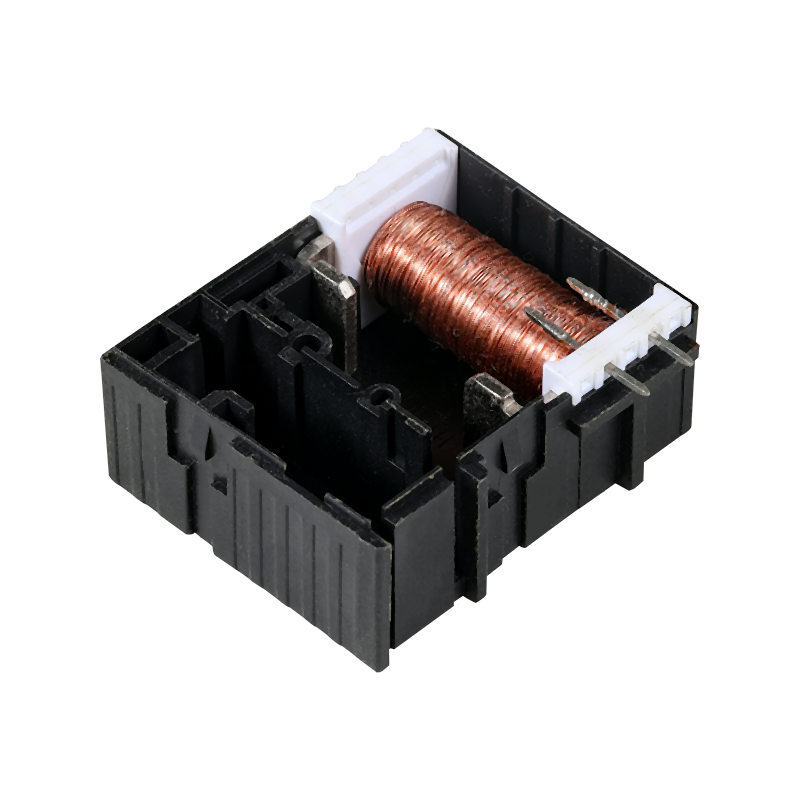
The landscape of electrical component manufacturing is increasingly defined by demands for higher reliability, miniaturization, and application-specific design. Within this specialized field, the development and production of a Customized Mold For Relay Socket has emerged as a critical engineering discipline, directly influencing the performance, safety, and longevity of electrical control systems. Unlike standardized, off-the-shelf tooling, a Customized Mold For Relay Socket is designed and fabricated to meet the exact electrical, mechanical, and environmental specifications of a particular relay interface, ensuring a superb and reliable mating between the relay and its circuit board or panel mount. This focus on tailored precision underscores a broader industry trend where connectivity components are not mere accessories but integral, performance-defining elements of an electrical assembly.
The process of creating a Customized Mold For Relay Socket involves a highly technical collaboration between mold engineers and electrical component designers. It begins with a deep analysis of the socket's requirements: the specific relay model it must house, the necessary pin count and alignment, current-carrying capacity, insulation resistance, and the operational environment, which may involve factors like vibration, temperature fluctuations, or exposure to contaminants. Every detail, from the draft angles for clean part ejection to the gate locations that ensure complete cavity filling without stressing sensitive plastic, is meticulously planned. The resulting Customized Mold For Relay Socket is a feat of precision toolmaking, often incorporating multi-cavity layouts for efficiency, hardened steel for durability, and sophisticated cooling channels to maintain consistent cycle times and dimensional stability across high-volume production runs.
The advantages of utilizing a Customized Mold For Relay Socket are substantial for manufacturers of industrial controls, automotive electronics, appliance systems, and automation equipment. It guarantees a precise mechanical fit, eliminating poor contact issues that can lead to arcing, overheating, or system failure. The mold can be engineered to use high-performance, flame-retardant, or high-temperature plastics, such as PBT, PA, or PPS, which are essential for meeting stringent safety and reliability standards. This level of integration, achieved at the molding stage, reduces assembly steps and potential points of failure.
The growing complexity of electrical systems in sectors like renewable energy, electric vehicles, and smart infrastructure is fueling demand for these specialized tooling solutions. A well-designed Customized Mold For Relay Socket contributes to product differentiation, allowing companies to develop proprietary socket designs that offer improved performance or compatibility with their specific relay families. By controlling the entire production process of a critical component from the tooling up, companies can ensure quality, manage costs, and adapt more swiftly to design revisions or material changes without relying on generic parts suppliers.
The evolution of the Customized Mold For Relay Socket will continue to parallel advancements in both molding technology and electrical engineering. The integration of simulation software for predicting plastic flow and cooling will further refine mold designs for ideal performance. Trends towards miniaturization and higher-density electrical packaging will challenge mold makers to achieve even tighter tolerances. As connectivity remains a cornerstone of modern electronics, the specialized expertise required to produce a high-quality Customized Mold For Relay Socket will remain a vital asset, ensuring that the critical links in our electrical systems are forged with unwavering precision and reliability.