English
 中文简体
中文简体 русский
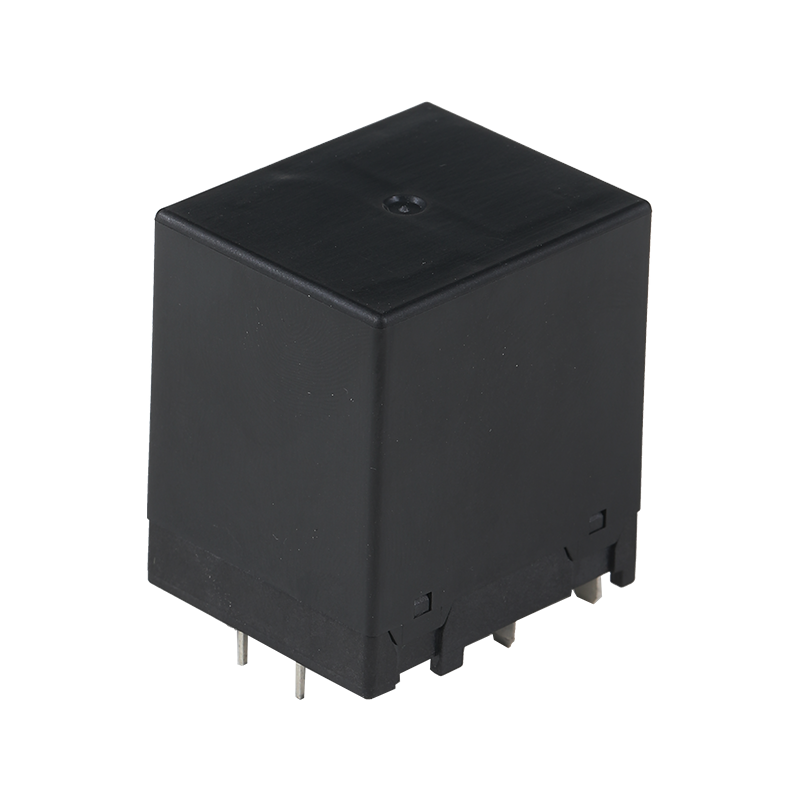
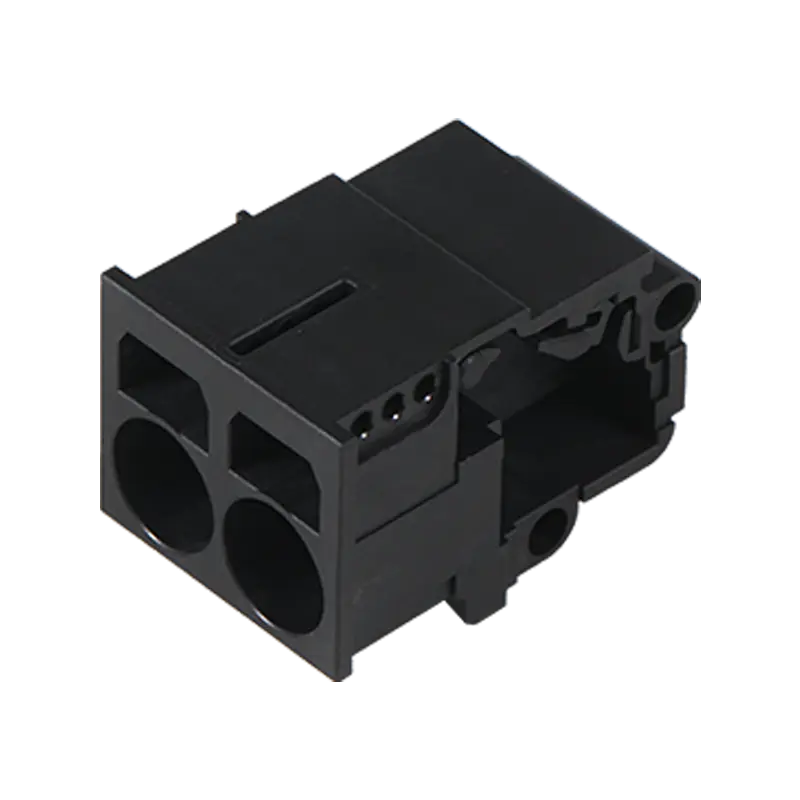

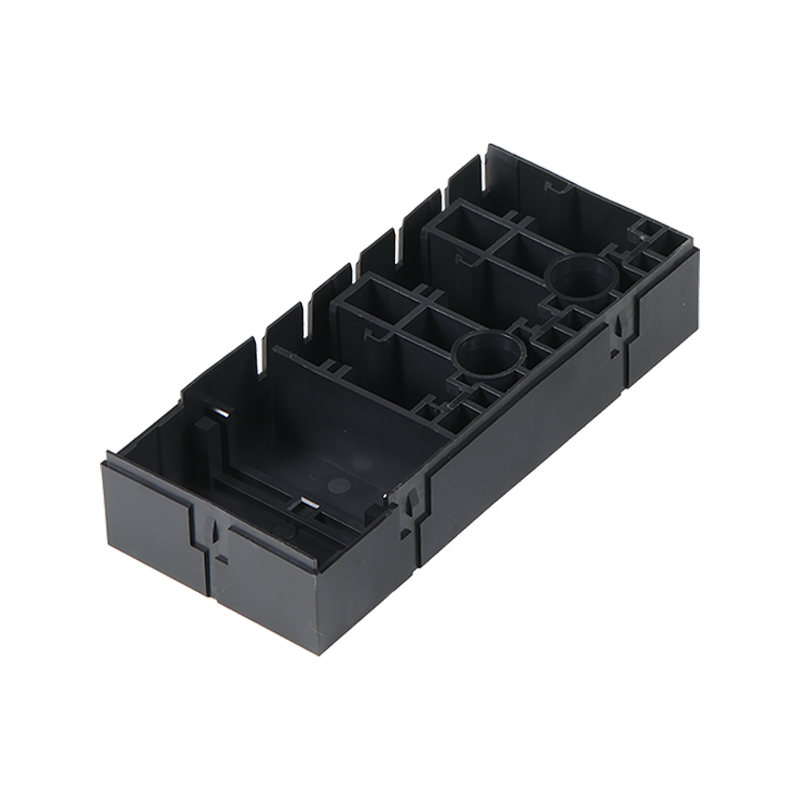
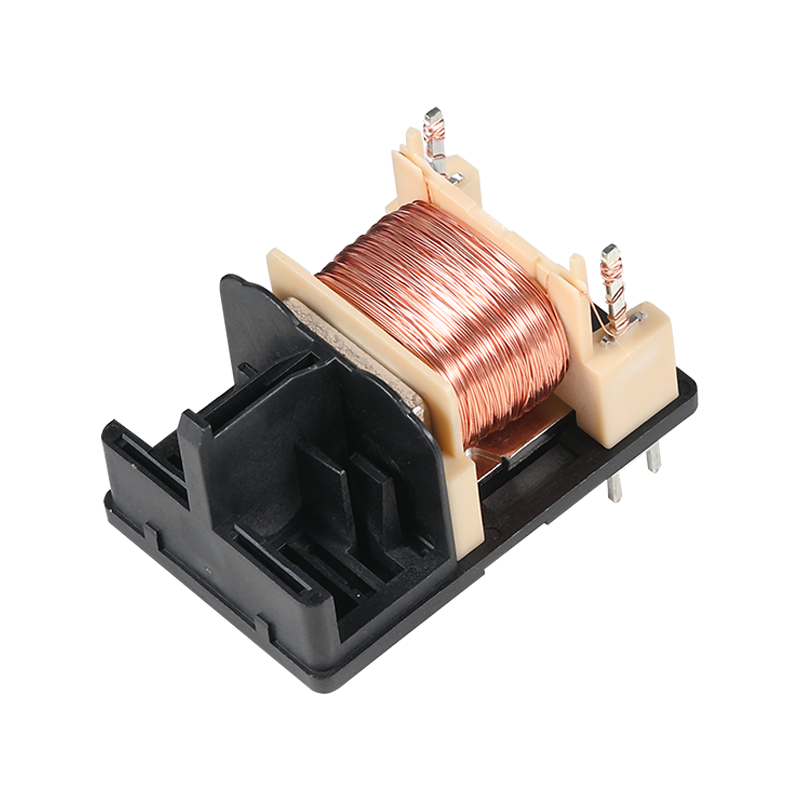
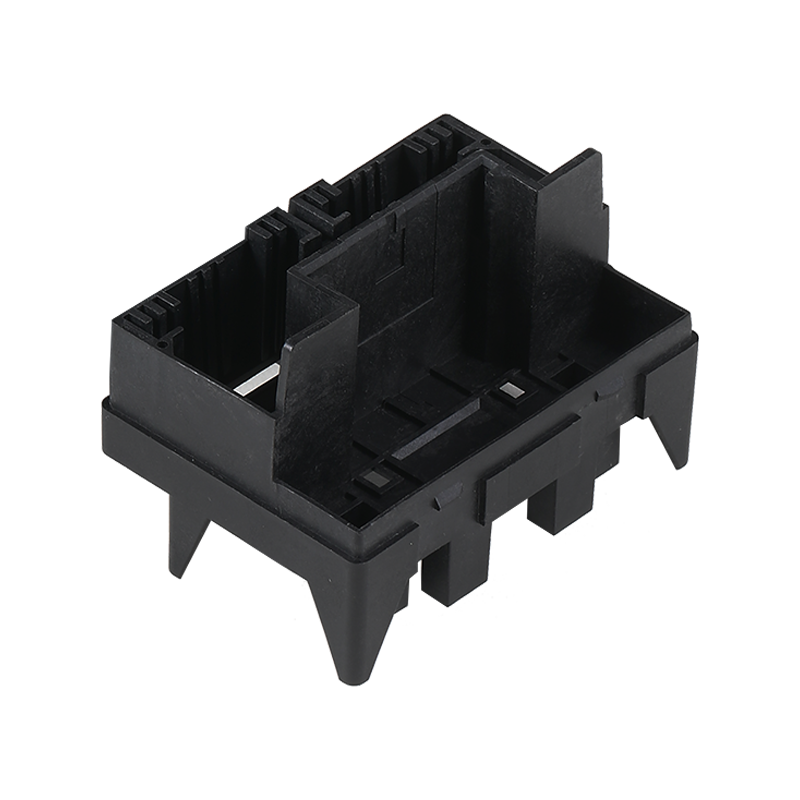
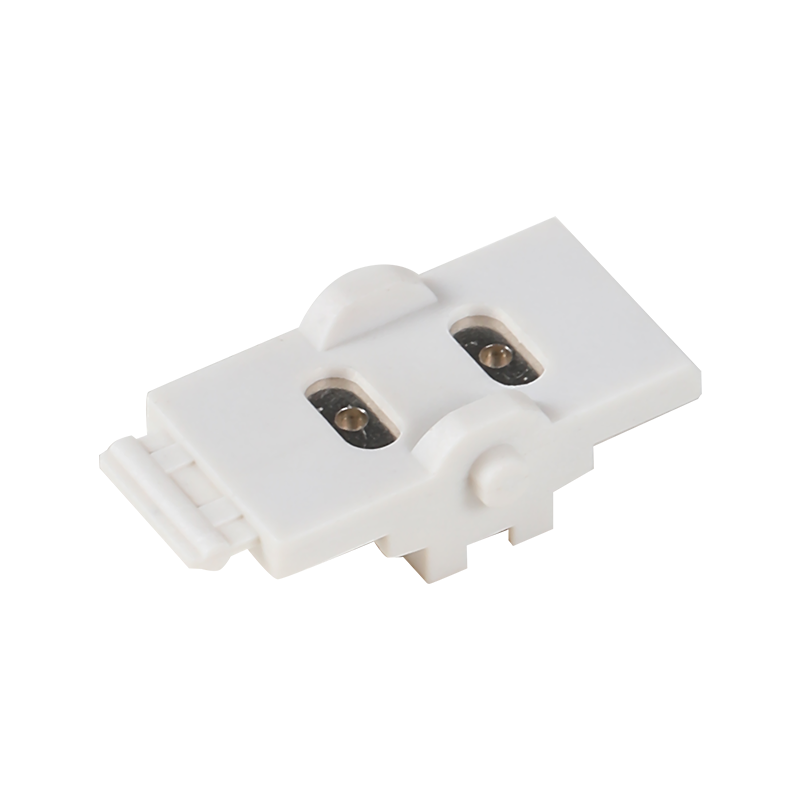
In industrial facilities and commercial buildings worldwide, the reliable operation of electric motors is critical for productivity and safety. A key device dedicated to safeguarding these motors from damaging electrical faults is the Motor Magnetic Thermal Overload Protection Relay. This essential component, often simply called an overload relay, integrates two distinct protective functions into a single unit, providing a robust defense against common causes of motor failure and fire hazard.
The core function of a Motor Magnetic Thermal Overload Protection Relay is to monitor the current flowing to an electric motor and interrupt the circuit when abnormal conditions are detected. The "thermal" part of its operation addresses sustained overcurrent situations. Using a bimetallic strip or electronic sensor, the relay responds to prolonged current draw above the motor's rated full-load current. This mimics the motor's own heat buildup, providing protection against overloads that could cause insulation degradation and eventual burnout. The "magnetic" function, conversely, offers instantaneous protection against short-circuit events. It detects sudden, massive current surges and trips the circuit with small delay, preventing catastrophic damage from electrical faults.
The installation of a Motor Magnetic Thermal Overload Protection Relay is a standard practice in motor control circuits, typically working in conjunction with a contactor. When the relay detects a fault, it mechanically or electronically signals the contactor to open, disconnecting power to the motor. This coordinated action is vital for preventing damage not only to the motor itself but also to downstream machinery and the electrical distribution system. A properly calibrated Motor Magnetic Thermal Overload Protection Relay balances sensitivity with avoiding nuisance tripping, ensuring motors can handle normal startup currents (inrush) without unnecessary shutdowns.
Modern advancements have expanded the capabilities of the traditional Motor Magnetic Thermal Overload Protection Relay. Electronic or solid-state relays have become increasingly common. These versions use microprocessors to provide more precise and adjustable protection settings. They can often monitor all three phases of a motor independently, detecting dangerous imbalances or phase loss—a condition where a motor continues to run on two phases, pilot to rapid overheating. Some advanced models of the Motor Magnetic Thermal Overload Protection Relay also feature communication capabilities, allowing them to send status alerts, trip codes, and operational data to centralized control systems for predictive maintenance.
The selection and setting of a Motor Magnetic Thermal Overload Protection Relay are based on the specific motor's nameplate current, its service factor, and the application's characteristics. Technicians must carefully calibrate the relay's trip curve to match the motor's thermal capacity. This ensures the motor is protected without interrupting processes for minor, permissible current variations. The reliability of a Motor Magnetic Thermal Overload Protection Relay directly impacts equipment uptime, repair costs, and overall facility safety.
The integration of the Motor Magnetic Thermal Overload Protection Relay into broader Industrial Internet of Things (IIoT) networks is a clear trend. Future relays will likely offer enhanced diagnostics, detailed energy consumption reporting, and deeper integration with motor management systems. However, the core protective principle of the Motor Magnetic Thermal Overload Protection Relay—combining magnetic response for instantaneous faults with thermal modeling for sustained overloads—will remain indispensable. As motors continue to be the workhorses of industry, these dedicated guardians will persist in their critical role, ensuring operational continuity and protecting valuable assets from electrical harm.