English
 中文简体
中文简体 русский
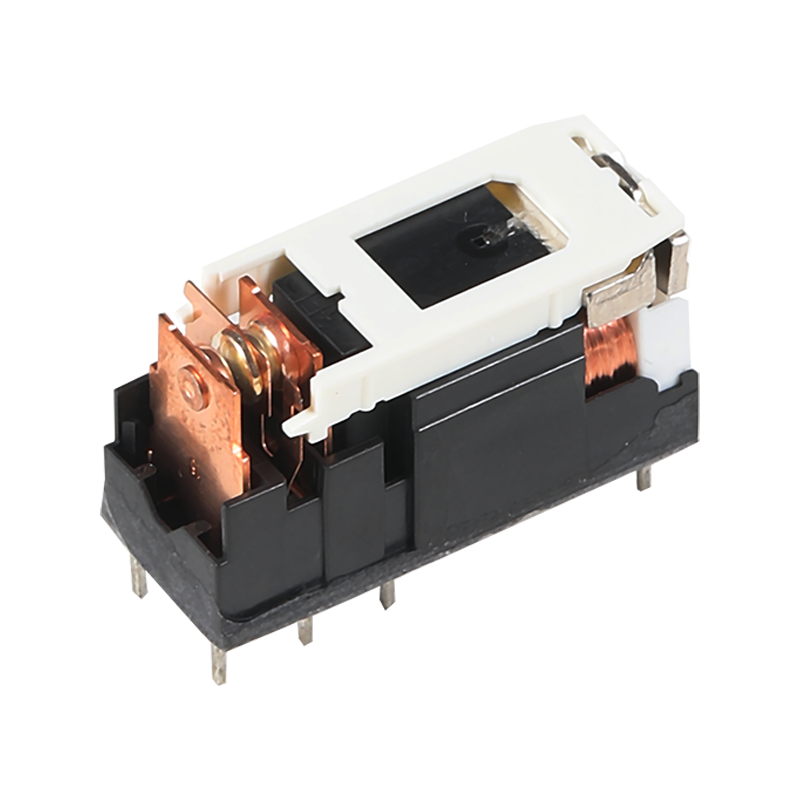
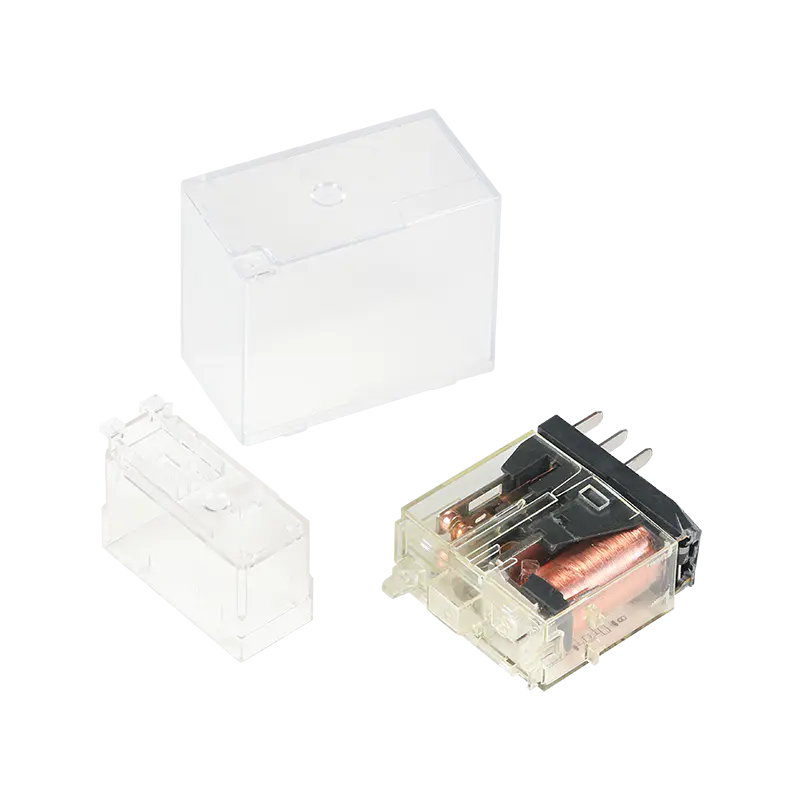
Motor magnetic thermal overload is a critical protection device that safeguards electric motors from damage caused by excessive current, overheating, or phase failure. Installed in motor control circuits, a motor magnetic thermal overload monitors the current flowing to the motor and trips the contactor if dangerous conditions are detected, preventing motor burnout and extending equipment life.
The thermal overload function responds to sustained overcurrent conditions. Inside the device, a bimetallic strip or heating element warms up as current passes through it. When current exceeds the rated value for a set period, the heat causes the bimetallic strip to bend, triggering a mechanism that opens the control circuit. This action stops the motor before windings overheat. The trip time is inversely proportional to the current level, meaning higher currents cause faster trips.
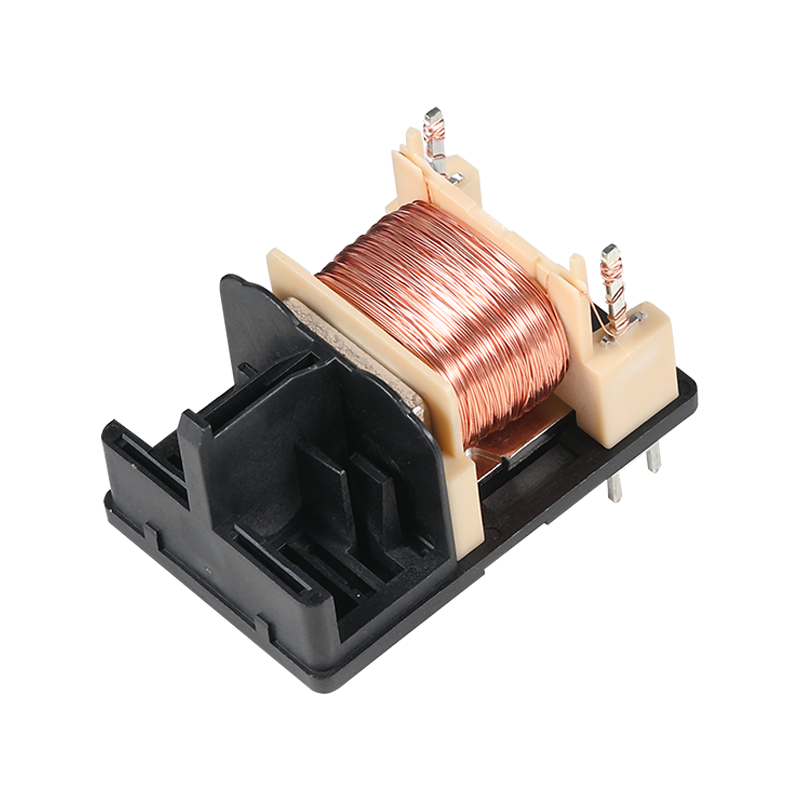
The magnetic overload function responds to short circuits and severe overcurrents. A coil or solenoid inside the device creates a magnetic field proportional to the current flow. When a short circuit or locked rotor condition causes current to spike well above normal levels, the magnetic field becomes strong enough to instantly pull a plunger, tripping the overload without delay. This instantaneous response protects the motor from damage that would occur before the thermal element could heat up.
Adjustability is a practical feature of many motor magnetic thermal overload devices. The trip current setting can be adjusted within a range, typically from 80 to 115 percent of the device’s nominal rating. This adjustment allows the same overload to be used with motors of slightly different full-load currents. Setting the trip current too low causes nuisance trips during normal starting. Setting it too high leaves the motor unprotected. Proper adjustment matches the overload to the motor’s nameplate full-load current.
Phase loss protection is another important function. When one phase of a three-phase power supply fails, the motor draws excessive current on the remaining two phases, quickly overheating. A motor magnetic thermal overload detects this condition because the current imbalance causes uneven heating between the bimetallic elements. Many devices include a differential mechanism that trips when the temperature difference between phases exceeds a set threshold, shutting down the motor before damage occurs.
Ambient temperature compensation improves reliability. The thermal element inside the overload responds to its own temperature, not just the current. If the overload is installed in a hot environment, it may trip at lower currents than expected. Ambient compensated overloads use a second bimetallic element that bends opposite to the main element, canceling out the effects of surrounding temperature. This feature ensures consistent protection whether the overload is mounted inside a hot control panel or in a cold outdoor location.
For any electric motor driving a pump, fan, conveyor, or compressor, the motor magnetic thermal overload provides essential protection against the common causes of motor failure. It monitors current continuously, responds to both slow overheating and fast short circuits, and resets when the problem is solved. A properly sized and adjusted motor magnetic thermal overload keeps motors running safely for their full design life.