English
 中文简体
中文简体 русский
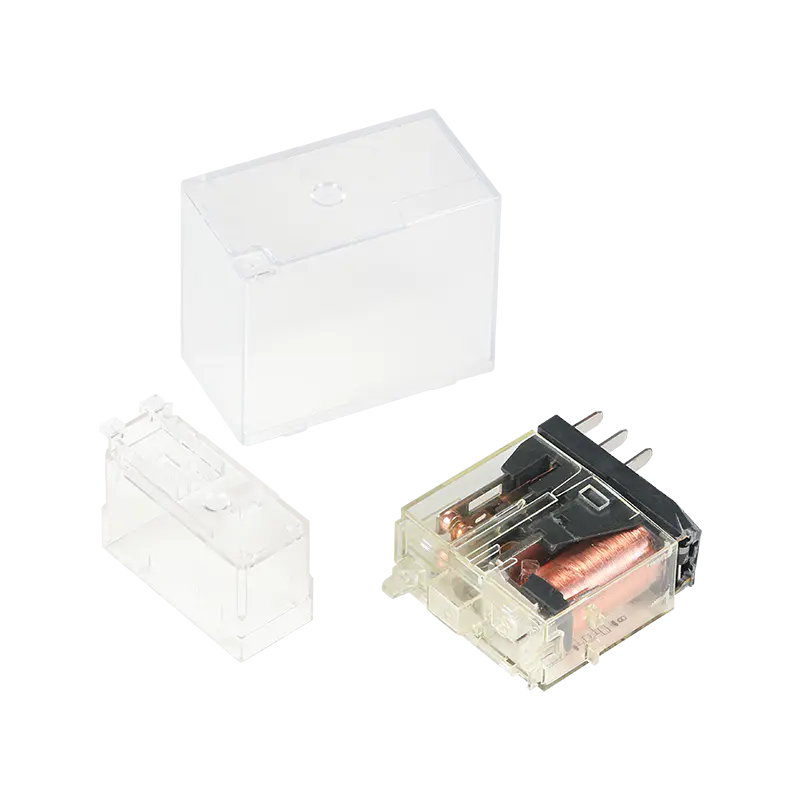
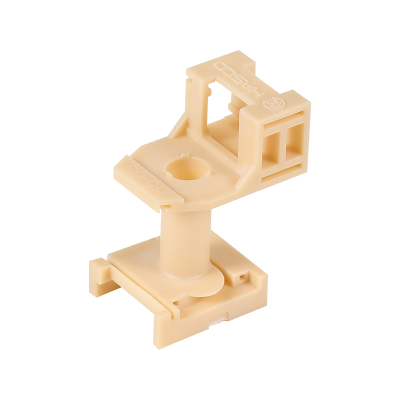
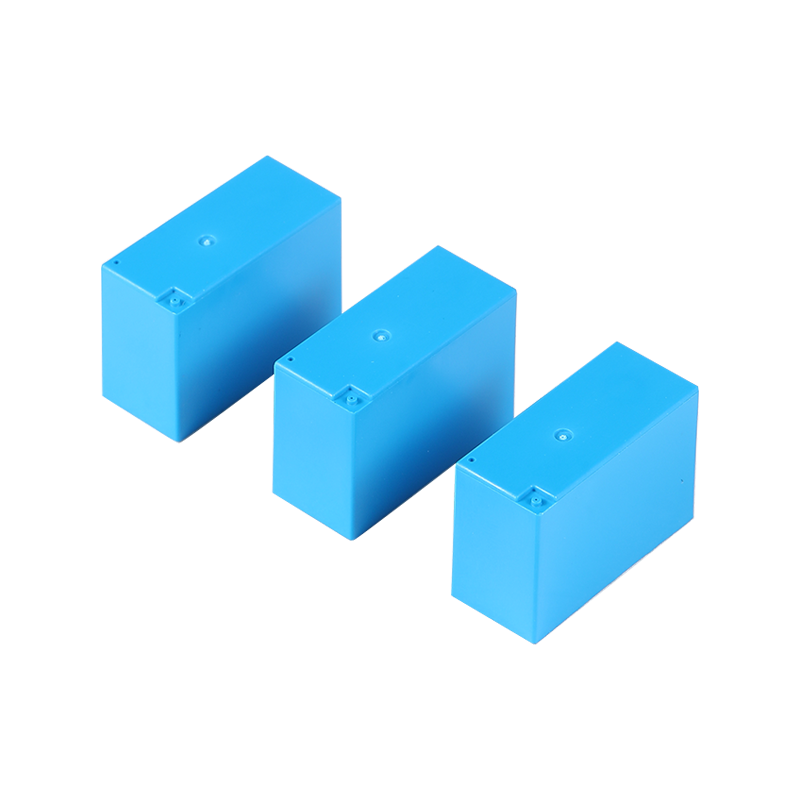
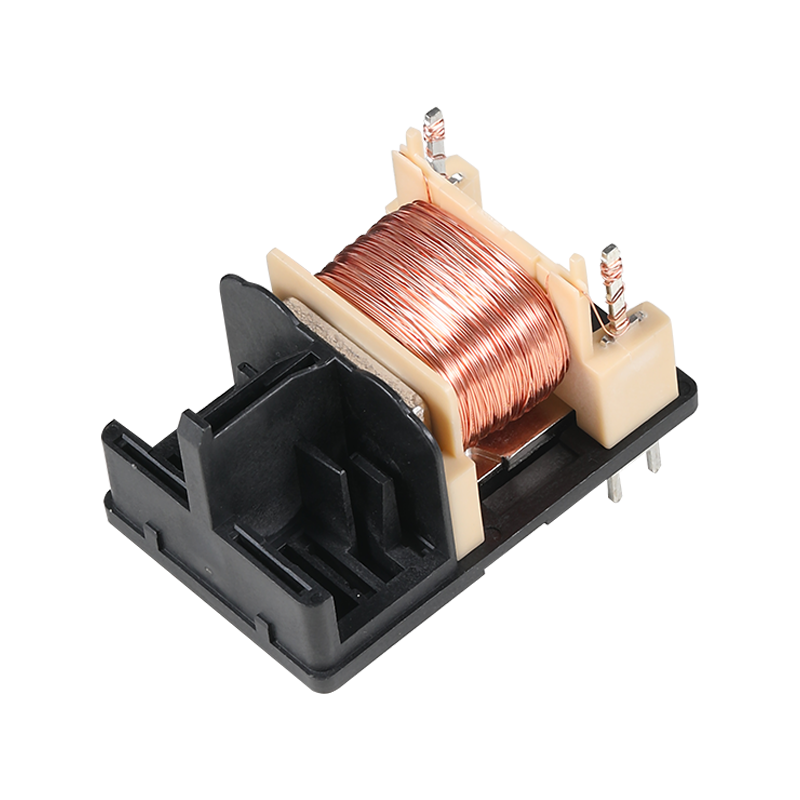
Auto part mold plays a quiet but essential role in modern vehicle manufacturing, as industry data shows that the vast majority of plastic and metal components inside and outside cars today begin as carefully engineered molds before they ever reach an assembly line. From dashboard panels and door handles to bumper covers and engine covers, these molds determine the shape, fit, and finish of parts that drivers touch and see every day.
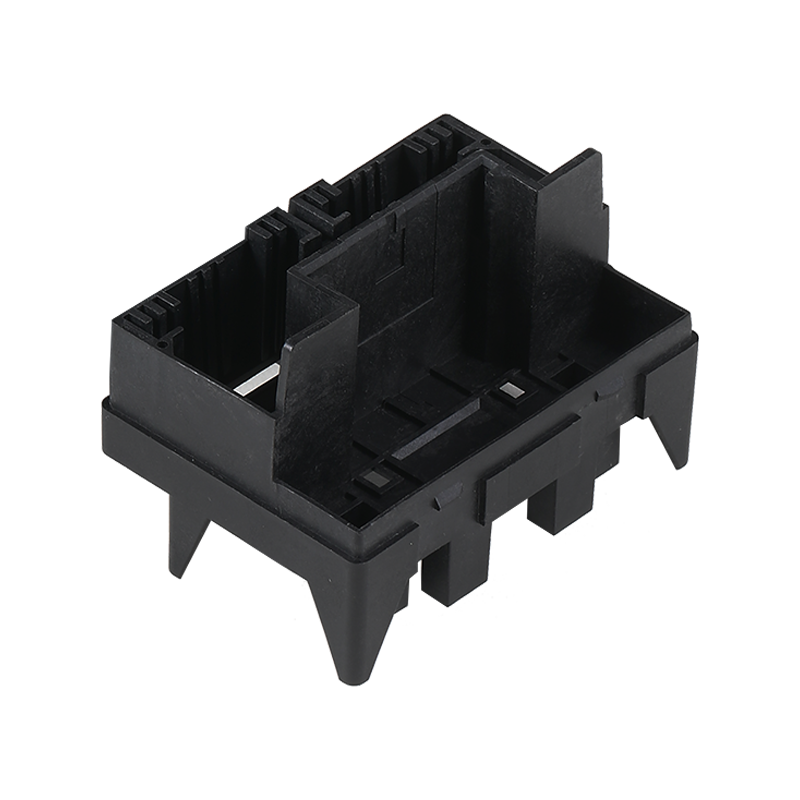
An auto part mold is essentially a hollow cavity into which molten material—typically plastic or aluminum—is injected under high pressure. Once the material cools and hardens, the mold opens, and the finished part is ejected. The process repeats every few seconds to minutes, depending on the size and complexity of the part. A single mold can produce tens of thousands of identical components before showing signs of wear, making it a highly efficient method for mass production.
The design and construction of an auto part mold require significant skill. Engineers create a digital model of the desired part, then design the mold around it, accounting for how the material will flow, where air might become trapped, and how the part will be removed after cooling. Many molds are made from hardened steel or aluminum alloys. Steel molds last longer but cost more and take longer to machine. Aluminum molds are faster to produce and less expensive but may need replacement sooner. The choice depends on the expected production volume and the material being molded.
Precision is critical. A well-made auto part mold produces parts that fit together seamlessly with neighboring components. A poorly made mold can create parts with rough surfaces, incorrect dimensions, or weak spots. In recent years, computer simulation has improved the mold design process significantly. Designers can now predict how molten material will behave inside the mold before any metal is cut, reducing trial and error and shortening development time.
The industry has seen gradual changes in mold making. Traditional machining methods like milling and drilling are still common, but many shops now use electrical discharge machining and computer-controlled cutting for complex shapes. These techniques allow for finer details and smoother surfaces than older methods could achieve. Some molds now include internal channels for heating or cooling, which helps control the solidification process and reduces cycle time.
Challenges remain. Auto part molds are expensive to produce, with costs often reaching tens of thousands of dollars for a single mold. This creates a barrier for smaller manufacturers and makes the initial investment in a new part a significant decision. Additionally, mold maintenance is an ongoing expense. Over time, surfaces wear down, cooling channels clog, and small cracks can form. Regular cleaning, inspection, and occasional repair are necessary to maintain part quality.
Changes in vehicle design have also affected mold making. As cars include more sensors, cameras, and electronic features, the plastic housings and brackets that hold these components require new mold designs. Lightweighting efforts have pushed manufacturers toward thinner wall sections and more complex geometries, which in turn demand more precise molds. Electric vehicles, with their different component layouts, have introduced new mold requirements for battery housings and thermal management parts.
Despite these challenges, the auto part mold industry continues to adapt. New coating technologies can extend mold life by reducing wear and sticking. Additive manufacturing, sometimes called 3D printing, is being used to produce prototype molds and even some production molds with internal cooling channels that traditional machining cannot create. These innovations help manufacturers produce better parts at competitive costs.