English
 中文简体
中文简体 русский
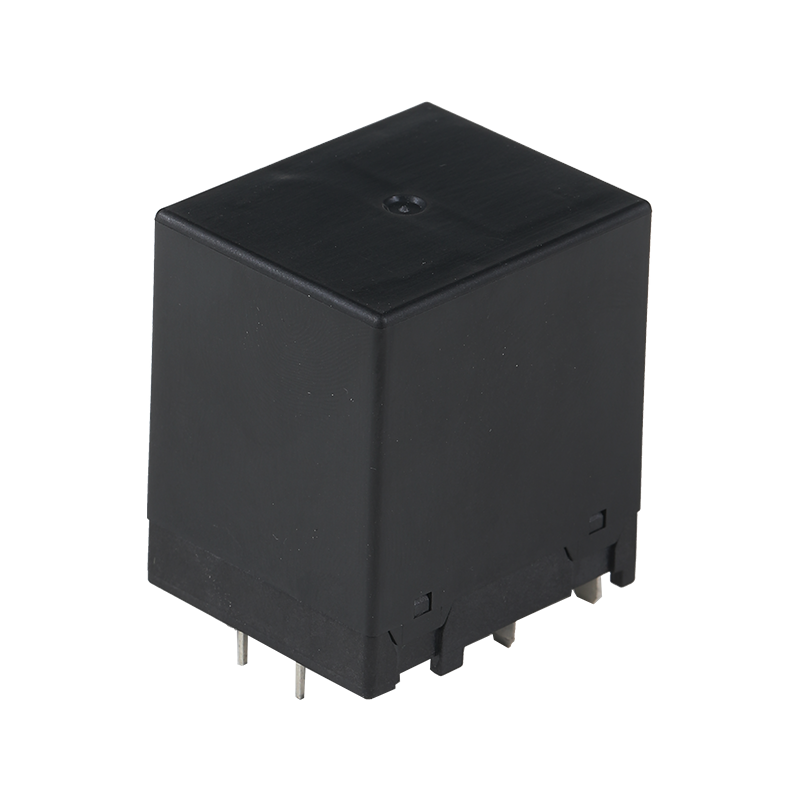
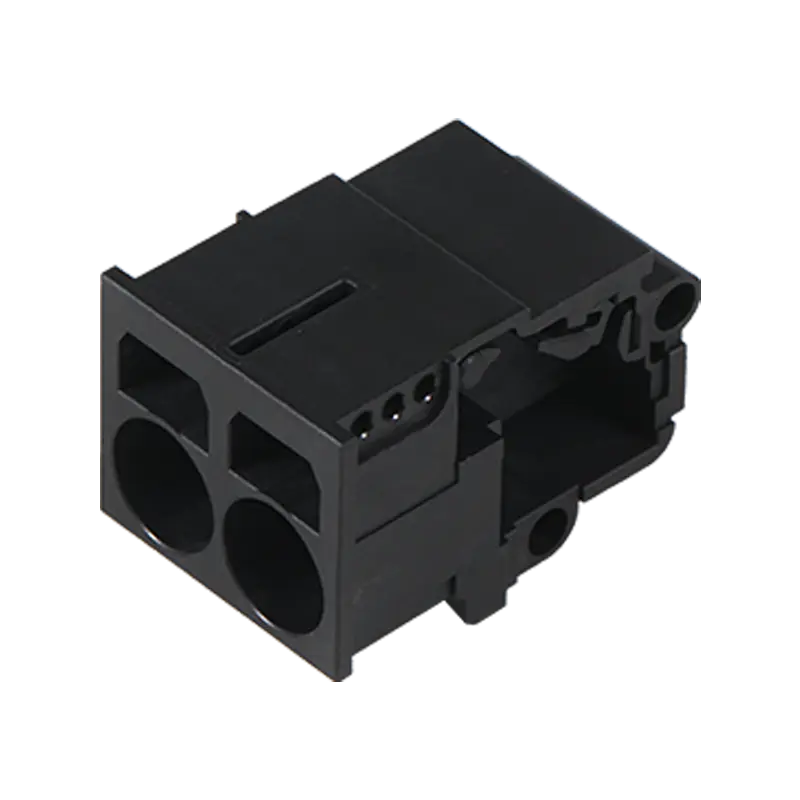

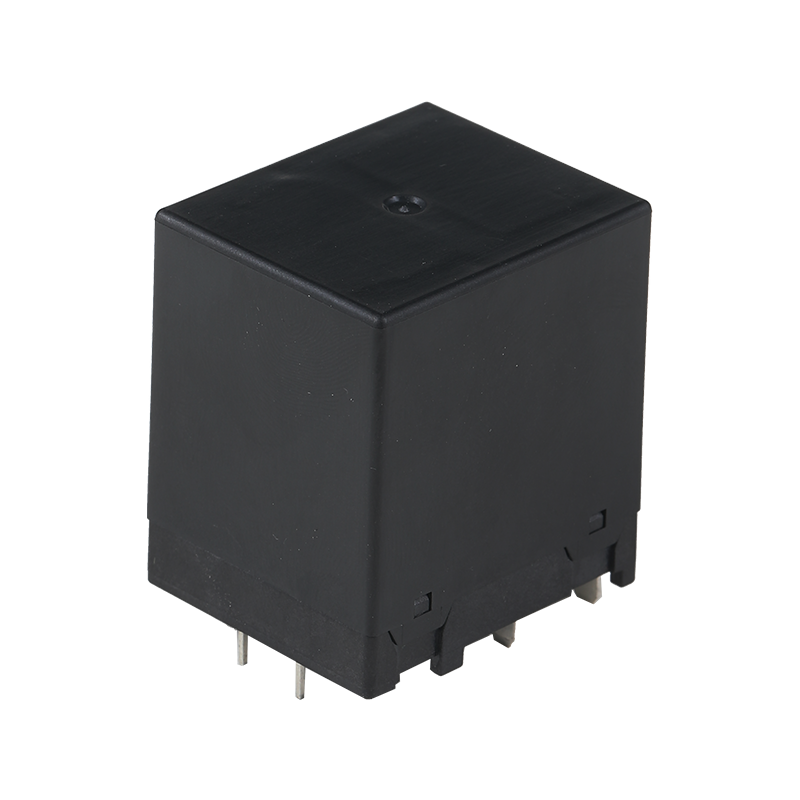
The global automotive industry, in its continuous drive towards innovation, efficiency, and sustainability, relies fundamentally on a critical yet often unseen component: the Auto Part Mold. These sophisticated tools, also known as dies or tooling, are the very foundation upon which the vast majority of vehicle parts are produced. From intricate interior buttons and sleek dashboard panels to robust under-hood components and complex lighting assemblies, the Auto Part Mold shapes the physical reality of modern transportation.
The creation of a high-precision Auto Part Mold is a feat of advanced engineering and meticulous craftsmanship. It begins long before production, with designers and mold engineers collaborating closely. Using sophisticated computer-aided design and manufacturing software, they develop a superb negative cavity of the desired part. The complexity is immense; a single Auto Part Mold for a component like a door panel may contain numerous moving slides, lifters, and intricate cooling channels to ensure the molded part sets correctly and can be ejected without damage.
The materials processed by these molds are evolving rapidly, directly influencing Auto Part Mold design and technology. While traditional materials like polypropylene and ABS plastics remain staples, the industry shift towards lightweighting and enhanced performance has increased the use of advanced composites, engineered polymers, and even some metal injection molding applications. This demands molds that can withstand higher temperatures and pressures, achieve even finer surface finishes, and facilitate the consistent production of parts that meet stringent safety and durability standards. The rise of electric vehicles further influences trends, generating demand for new types of components—from complex battery housings to specialized sensor casings—all born from specialized Auto Part Mold tooling.
Beyond initial design, the performance and longevity of an Auto Part Mold are paramount. Modern molds integrate smart technologies, such as embedded sensors that monitor temperature and pressure in real-time during the injection molding cycle. This data is crucial for predictive maintenance, helping to prevent unplanned downtime by signaling the need for service before a minor issue escalates. Furthermore, innovations in surface treatments and coatings are applied to mold cavities to reduce wear, less friction for easier part ejection, and extend the tool’s operational life, which can span hundreds of thousands or even millions of cycles.
The strategic importance of the Auto Part Mold sector extends throughout the automotive supply chain. Lead times for designing and manufacturing these complex tools can be significant, making them a critical path in vehicle development cycles. As automakers push for faster model iterations and more customization options, the ability of mold makers to respond with agility—utilizing techniques like additive manufacturing for prototype molds or conformal cooling channels—becomes a competitive advantage. The quality of the final molded part, its dimensional accuracy, aesthetic appeal, and structural integrity, is inherently tied to the precision and craftsmanship embodied in the Auto Part Mold.
The trajectory of the Auto Part Mold industry is intertwined with broader automotive trends. The push for lighter, stronger, and more integrated components will continue to challenge mold makers to innovate. Developments in software simulation for mold flow and cooling analysis will further optimize the design phase, reducing trial and error. As the automotive landscape transforms, the Auto Part Mold remains a silent but indispensable enabler, a masterpiece of precision engineering that literally forms the building blocks of every vehicle on the road.