English
 中文简体
中文简体 русский
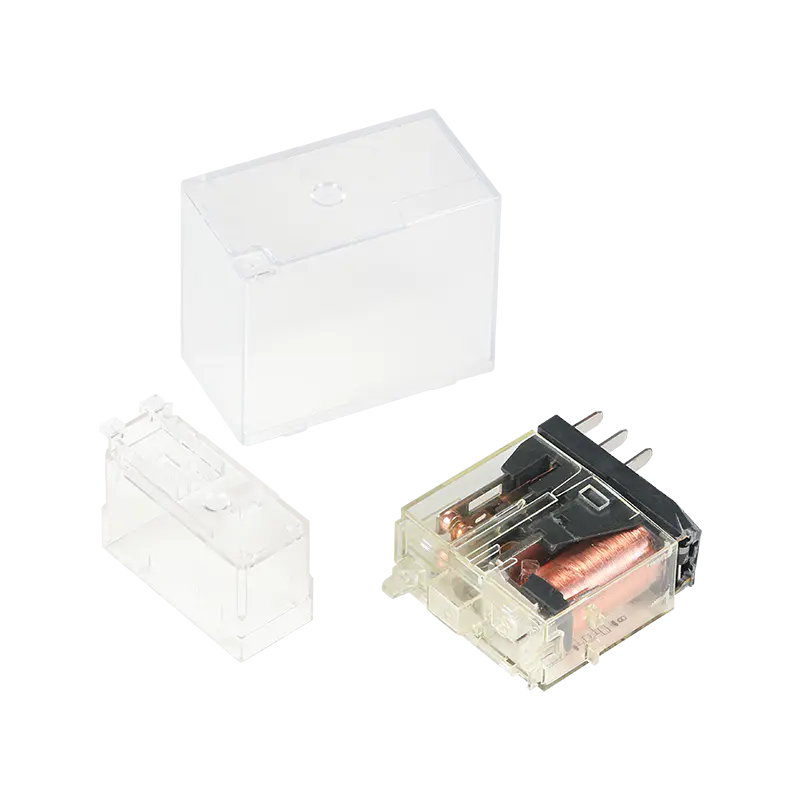
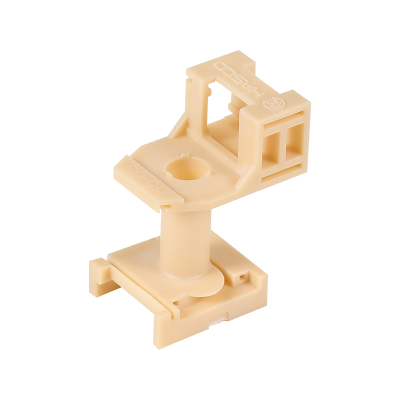
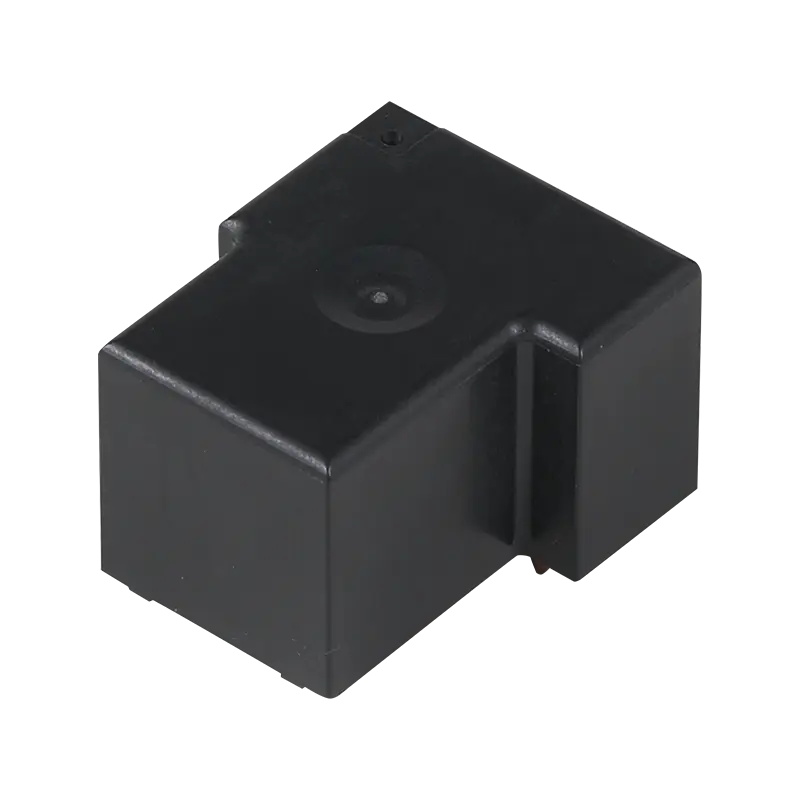
The global market for electronic devices, consumer products, and specialized equipment generates consistent demand for durable, precise, and often aesthetically critical protective enclosures. At the center of producing these essential shells and housings is the specialized trade of the Case Plastic Mold Maker. This niche within the broader mold-making industry focuses on the design and fabrication of injection molds specifically for cases, covers, and enclosures that house everything from smartphones and power tools to medical instruments and networking hardware. The expertise of a Case Plastic Mold Maker directly influences the fit, finish, functionality, and perceived quality of the final product, making their role a critical link between industrial design and mass manufacturing.
The work of a Case Plastic Mold Maker involves addressing a unique set of engineering challenges distinct from other types of mold making. Cases often feature complex parting lines, intricate snap-fit or latch mechanisms, precise openings for buttons and ports, and stringent requirements for cosmetic surface finishes. A skilled Case Plastic Mold Maker must expertly design the mold to accommodate these features, which frequently involves complex mold actions. This includes incorporating side-actions (slides) to form undercuts for clips, lifters for internal ribs, and sophisticated ejection systems to release the often thin-walled, box-shaped part without distortion or marks. The focus is not only on forming the shape but also on achieving the high-gloss, matte, or textured surface finish specified by the product designer, which requires exceptional skill in mold polishing and texturing.
Technological advancement is a key driver in the evolution of the Case Plastic Mold Maker's capabilities. The widespread adoption of high-speed CNC machining and precision electrical discharge machining (EDM) allows for the fabrication of mold components with tolerances measured in microns, essential for the seamless fit of case halves. The use of advanced mold flow simulation software is now standard practice, enabling the Case Plastic Mold Maker to predict and correct potential issues with material flow, weld lines, air traps, and cooling long before steel is cut. This virtual prototyping lesss costly design revisions and ensures the mold will produce parts that meet aesthetic and dimensional targets from the sample run. Furthermore, the integration of conformal cooling channels, often made possible through additive manufacturing (3D printing), helps manage the temperature of large, flat case surfaces uniformly, reducing cycle times and small part warpage.
The Case Plastic Mold Maker will continue to adapt to trends in materials, miniaturization, and sustainability. The growing use of engineered resins, including bio-based polymers and materials with improved flame retardancy or electromagnetic shielding properties, will require adaptable expertise. As devices become smaller and more complex, the demand for micro-precision in case molds will increase. The industry's focus on circular economy principles may also cause greater consideration of mold designs that facilitate the use of recycled plastics. By continuously integrating new machining technologies, simulation tools, and material science knowledge, the Case Plastic Mold Maker ensures its vital role in bringing the protective skins of our modern technological world from concept to reality with unwavering precision and reliability.