English
 中文简体
中文简体 русский
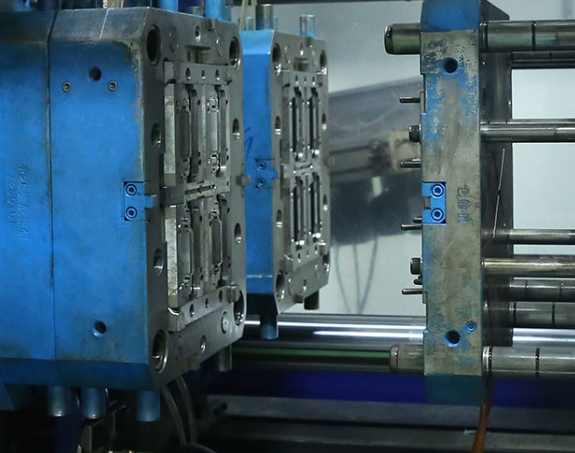

A lot of automotive parts look simple after assembly.
Small clips, plastic housings, dashboard components, connector covers, and mounting brackets rarely attract much attention once installed inside a vehicle. Yet inside manufacturing workshops, many of these components have become increasingly difficult to produce consistently.
That is especially true for modern shucks auto parts linked to precision molding processes.
As vehicles integrate more electronics, lightweight materials, and compact structural layouts, even ordinary-looking plastic parts now require much tighter dimensional control than older automotive products did.
In many factories, the mold itself became just as important as the material being injected.
Automotive Parts No Longer Tolerate Large Variation
Years ago, some interior and structural automotive plastics still allowed relatively generous fitting margins.
Modern shucks auto parts changed considerably because vehicle assembly systems became far more compact. Clips, mounting tabs, and connector housings now fit together with much smaller tolerance windows than before.
A slight dimensional shift may later cause:
- unstable assembly
- vibration noise
- loose panel fitting
- connector misalignment
- sealing inconsistency
Actually, many assembly problems blamed on the final production line begin much earlier inside mold processing.
Once mold precision drifts slightly, the fitting behavior of every injected part changes together with it.
Thin Wall Structures Became Harder To Mold
Weight reduction continues influencing automotive manufacturing heavily.
To reduce overall vehicle mass, many shucks auto parts now use thinner wall structures than older designs. The problem is that thin plastic sections cool much faster and react more sensitively to injection pressure changes.
Inside molds, uneven cooling may create:
- edge deformation
- sink marks
- warping
- internal stress
- dimensional instability
This becomes especially difficult around long narrow automotive components where material flow distance increases significantly during injection.
Factories therefore spend much more time optimizing gate position and cooling balance than many people outside the industry realize.
Mold Wear Quietly Changes Assembly Quality
One challenge with high-volume shucks auto parts production is that mold wear happens gradually rather than suddenly.
After long production cycles, microscopic wear around cavity edges slowly changes the shape of locking clips, snap-fit structures, and precision connection points. The dimensional difference may appear extremely small during measurement but still affect vehicle assembly later.
This is particularly important for:
- dashboard clips
- wiring retainers
- sensor housings
- connector brackets
- interior fasteners
Actually, automotive manufacturers often detect fitting inconsistency before visible mold damage becomes obvious.
The production tolerance becomes sensitive enough that very small cavity wear already influences assembly behavior.
Heat Resistance Became More Important
Modern vehicles generate more localized heat than many older automotive systems.
As electronics spread throughout the vehicle, many shucks auto parts now operate near batteries, control modules, lighting systems, and engine-adjacent areas where temperature exposure remains much higher during daily driving.
That changes mold design requirements significantly.
Plastic shrinkage, material flow, and cooling behavior must all account for how the part later behaves under thermal cycling conditions inside the vehicle itself.
Some parts maintain perfect dimensions immediately after molding but gradually deform after repeated heat exposure during long-term use.
Factories therefore increasingly test automotive plastics under simulated thermal aging conditions before approving production.
Surface Finish Affects More Than Appearance
In automotive interiors especially, surface texture on shucks auto parts influences much more than visual styling.
Textured mold surfaces help reduce scratch visibility and improve consistency between adjacent components. At the same time, those textures must remain extremely uniform because slight gloss variation becomes highly visible under vehicle lighting conditions.
This creates additional pressure on mold processing quality.
Even small polishing inconsistency inside the cavity may later appear clearly across large interior trim sections once mass production begins.
Actually, some automotive mold projects spend more time refining surface texture consistency than adjusting the injection parameters themselves.
Complex Geometry Increased Mold Difficulty
Modern shucks auto parts increasingly combine multiple functions into single molded pieces.
Instead of using separate brackets, clips, and covers, manufacturers now prefer integrated structures that reduce assembly steps and overall vehicle weight. While efficient for production, this creates far more complicated mold geometry.
Complex automotive molds may involve:
- sliding cores
- lifter systems
- hidden undercuts
- thin rib structures
- multi-directional ejection
Each additional moving section inside the mold increases both machining difficulty and long-term maintenance pressure.
That is why automotive tooling became much more specialized as vehicle structures evolved.
Precision Molding Quietly Supports Modern Vehicles
Most drivers never notice the molded shucks auto parts hidden throughout a vehicle interior or electronic system.
Yet modern automotive assembly depends heavily on these components fitting together consistently across massive production volumes.
As vehicles became lighter, more electronic, and more compact internally, automotive mold processing gradually shifted toward much tighter precision control than traditional plastic manufacturing required.
The challenge today is no longer simply producing plastic parts quickly.
It is maintaining stable dimensional accuracy across millions of components that all need to fit, lock, and perform correctly throughout long-term vehicle use.